Thank you for writing to us. One of our executive will reach back to you through your submitted medium. In case there’s an urgency, feel free to connect over WhatsApp for faster response.
Prefer calling? Dial +9108045134631 (International callers) or 08045134631 (Indian callers).
HDD Rotation Motor
HDD Rotation Motor Supplier at Sonu Hose Pipe HDD Rotation Motor more commonly known as a spindle motor, is the key component inside a Hard Disk Drive (HDD) responsible for spinning the platters at high speeds so data can be read or written by the read/write heads.
�� Spindle (Rotation) Motor – Key Details:
�� Function:
Spins the platter(s) inside the HDD at a constant RPM (typically 5, 400, 7, 200, 10, 000, or even 15, 000 RPM depending on the drive).
Ensures precise rotational speed for accurate data access and stable read/write operations.
⚙️ Motor Type:
Brushless DC (BLDC) motor – chosen for its high efficiency, low noise, and reliability.
Typically integrated directly into the hub of the platter assembly.
�� Power and Control:
Controlled by the HDD’s motor driver circuit, which is part of the controller PCB.
Precision speed control is critical—often managed via a feedback loop.
�� Where You See It:
Consumer HDDs (laptops, desktops)
Enterprise/server HDDs
Not present in SSDs (Solid State Drives), which use flash memory with no moving parts
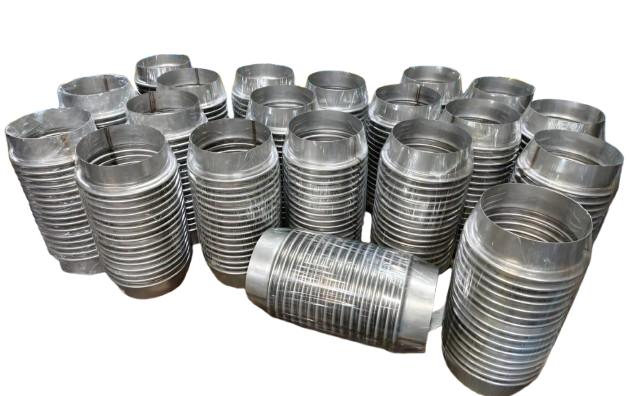
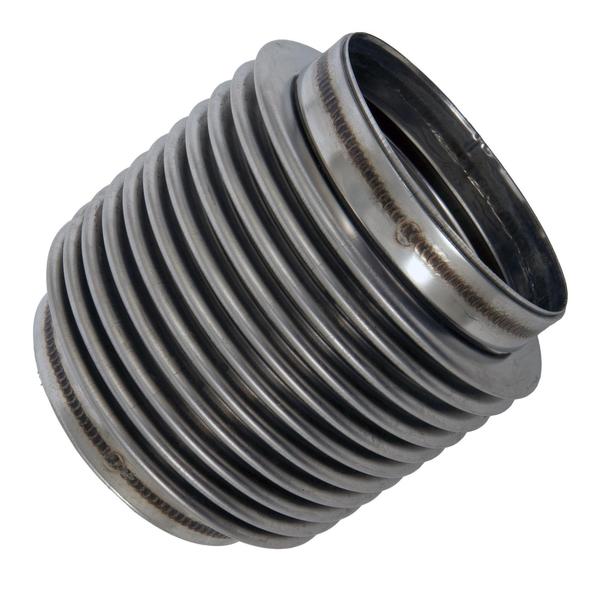
Stainless Steel Bellows — Product Description
Product Name: Stainless Steel Bellows / Flexible Expansion Joint
Material:
High-grade Stainless Steel (SS304 / SS316)
Excellent corrosion resistance, high temperature performance
Design & Construction:
Precision-formed corrugated bellows for maximum flexibility
Seamlessly welded ends for structural integrity
Can be single- or multi-plied depending on application
Optional end fittings/flanges for easy installation
Function:
Stainless Steel Bellows are designed to:
✔ Absorb thermal expansion and contraction
✔ Compensate for misalignment and vibration
✔ Reduce stress in piping systems
✔ Enhance durability under pulsation and pressure variations
Applications:
Automotive EGR systems, exhaust piping
HVAC systems & ducting
Industrial piping & pressure lines
Turbocharger connections
Chemical, petrochemical, power plants
Key Benefits:
✨ High flexibility under thermal cycling
✨ Corrosion & oxidation resistance
✨ Long service life
✨ Handles high temperature & pressure environments
✨ Reduces noise and mechanical stress
Specifications (Typical):
Material Grade: SS304 / SS316
Thickness: 0.5–1.5 mm (varies with design)
Diameter: Custom sizes available
Temperature Range: –50°C to 800°C+
Pressure Range: Up to 20 bar+ depending on series
Installation:
Fit between mating flanges with gaskets
Torque evenly to ensure leak-free sealing
Avoid twisting during assembly
📝 Why Choose Stainless Steel Bellows?
Stainless Steel Bellows combine robust construction with exceptional flexibility — making them ideal for systems where thermal movement, vibration, and mechanical stress are continuous challenges. Their durability extends equipment life and minimizes maintenance downtime.
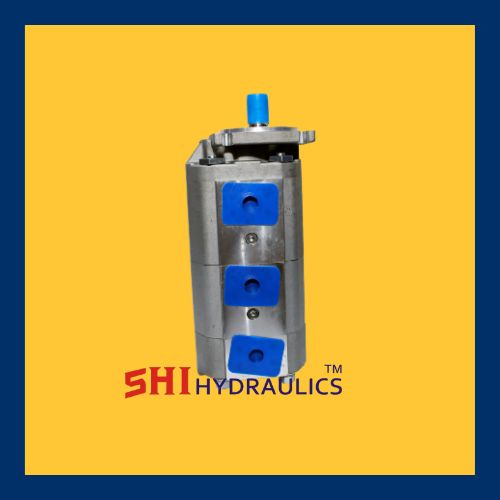
HDD Gear Pump, which is a critical component in Horizontal Directional Drilling (HDD) rigs for powering hydraulic circuits.
⚙️ HDD Gear Pump �� 1. What is an HDD Gear Pump?
An HDD Gear Pump is a hydraulic pump that uses the meshing of gears to pump hydraulic fluid through the system. It's used in HDD rigs to drive key hydraulic functions like:
Thrust/Pullback
Drill head rotation
Clamp and vise control
Pipe loader arm
Mud pump drive
These pumps are chosen for their reliability, simplicity, and high-pressure capability.
�� 2. Construction Details:
Component Material Function
Housing Cast iron or aluminum Contains the gear assembly
Gears Steel (surface-hardened) Create suction/discharge action
Bearings/Bushings Bronze or anti-friction steel Support rotating gears
Seals/O-rings Nitrile or Viton Prevent internal & external leakage
⚙️ 3. Working Principle:
Two gears (driving and driven) rotate inside the housing.
Fluid is drawn into the pump at the inlet, carried around the gear teeth in chambers, and pushed out through the outlet.
The tight clearances between components prevent backflow.
�� 4. Technical Specifications:
Parameter Typical Range
Flow Rate 10–150 L/min (2.5–40 GPM)
Working Pressure 150–300 bar (2200–4500 psi)
Displacement 5–60 cc/rev
Speed Range 1000–3500 RPM
Temperature Range -20°C to +100°C
Mounting SAE flange, European standard (2 or 4-bolt)
Drive Keyed shaft or spline
��️ 5. Features & Benefits:
High volumetric efficiency
Simple and robust design
Compact size and easy mounting
Suitable for continuous duty cycles
Low maintenance compared to piston pumps
Handles dirty or abrasive hydraulic oils better than more complex pumps
�� 6. Common Applications in HDD Rigs:
System Pump Role
Drill rotation Powering hydraulic motors for the drill head
Pullback/thrust Moving hydraulic cylinders for pushing/pulling rods
Clamp/Vise system Opening and closing the pipe holder
Mud mixing or pumping (auxiliary) Powering hydraulic-driven mud pumps
�� 7. Top Brands & Models:
Parker Gear Pumps (PGP series)
Eaton/Char-Lynn
Casappa (Kappa or Polaris series)
�� HDD Track Motor – Overview�� Function:
Powers the caterpillar tracks (undercarriage) of an HDD rig.
Allows the rig to move across job sites, especially in rough terrain.
Usually hydraulically driven, controlled via the machine's onboard system.
⚙️ Components:
Hydraulic Motor:
Converts hydraulic fluid pressure into mechanical torque.
Usually a radial piston or orbital motor for high torque at low speed.
Planetary Gearbox:
Reduces speed and increases torque output.
Designed for heavy-duty use in mobile machinery.
Brake System:
Often a built-in spring-applied, hydraulically released brake.
Prevents movement when the machine is idle or off.
Mounting Flange & Sprocket:
Connects directly to the track sprocket, enabling motion transfer to tracks.
✅ Key Features:
High torque output
Compact design for integration into the track frame
Sealed and weather-resistant for outdoor use
Built for shock loads and heavy-duty cycles
�� Applications:
Horizontal Directional Drilling Rigs (Vermeer, Ditch Witch, etc.)
Pipeline and trenchless installations
Other crawler-based construction machinery
�� Specifications (typical range):
Spec Value
Flow Rate 60–200 L/min
Max Pressure 300–450 bar
Torque 3000–15000 Nm
Speed Range 0–50 RPM
If you need:
A part number cross-reference (for a brand like Vermeer or Ditch Witch)
A spare parts diagram
Hydraulic circuit showing the track motor's role
Or help identifying one from a machine
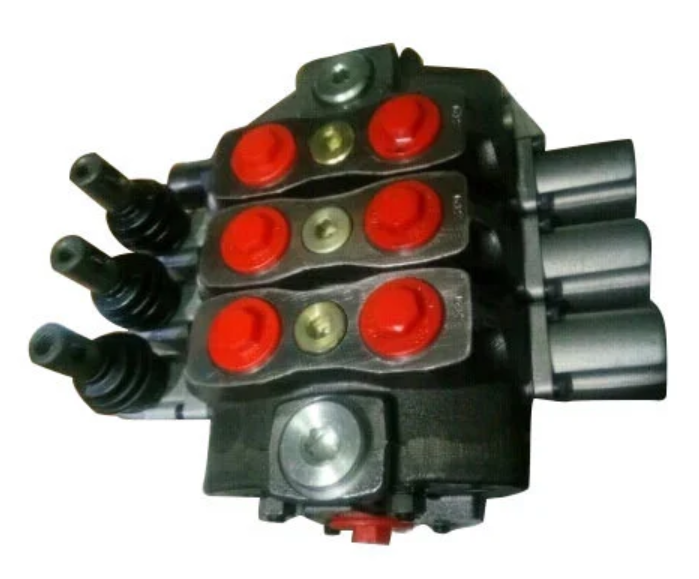
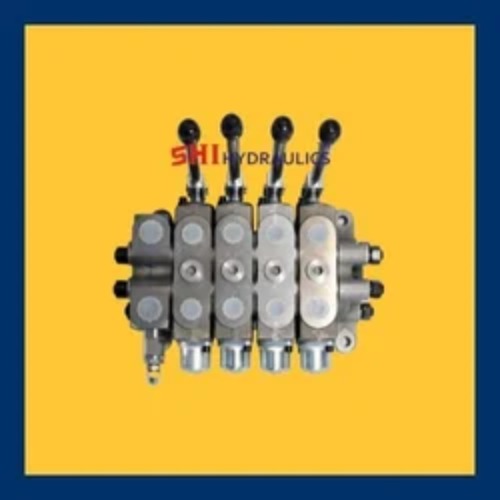
A sectional valve is a type of hydraulic control valve composed of multiple modular sections, allowing for independent control of multiple hydraulic functions within a system. It is widely used in mobile and industrial hydraulic applications, such as construction machinery, agricultural equipment, and material handling systems.
Key Components of a Sectional Valve
Main Valve Sections – Modular sections, each controlling a different hydraulic function.
Inlet Section – Directs hydraulic fluid into the valve assembly from the pump.
Spools – Move within the sections to regulate fluid flow and direction.
Outlet Section – Returns excess hydraulic fluid to the reservoir.
Pressure Relief Valve – Protects the system by preventing overpressure.
Actuators (Manual, Electric, or Hydraulic) – Operate the spools to control fluid movement.
Features of a Sectional Valve
Modular Design – Can be expanded by adding or removing sections based on system needs.
Independent Function Control – Each section operates a separate hydraulic circuit.
Durable Construction – Made from high-strength materials for long-lasting performance.
Customizable Flow and Pressure Settings – Adjustable to meet specific hydraulic requirements.
Compact and Space-Saving – Ideal for systems with multiple hydraulic operations.
Common Applications
Construction Machinery – Used in excavators, loaders, and cranes for controlling multiple hydraulic movements.
Agricultural Equipment – Powers hydraulic functions in tractors, harvesters, and sprayers.
Material Handling – Operates hydraulic lifts, forklifts, and conveyor systems.
Municipal Vehicles – Controls hydraulic functions in garbage trucks, fire trucks, and snow plows.
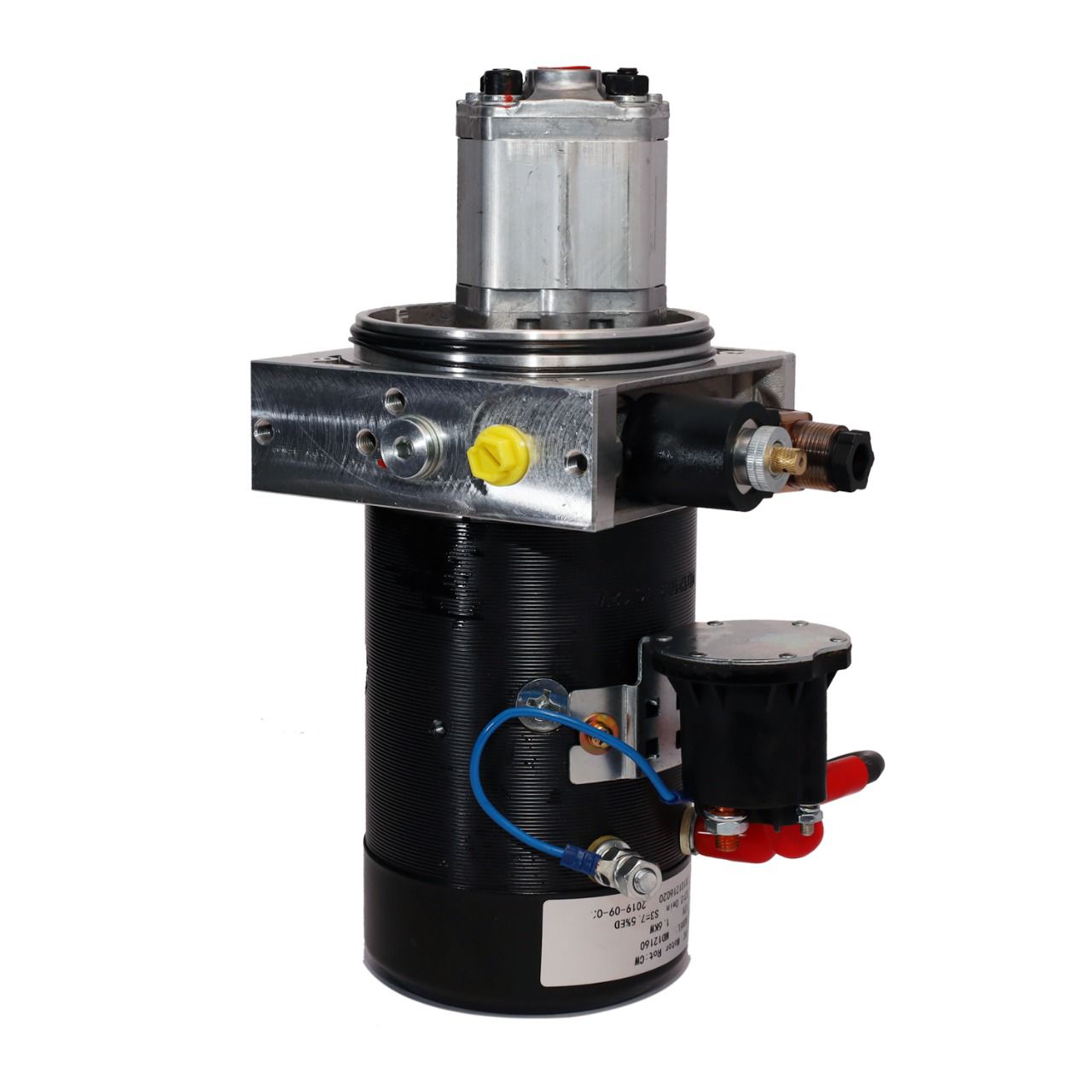
DC Power Pack is a compact, self-contained unit that supplies direct current (DC) power to hydraulic or electrical systems. It is commonly used in mobile and industrial applications where a reliable DC power source is required for actuating hydraulic cylinders, motors, and other equipment.
Key Components of a DC Power Pack
DC Electric Motor – Converts electrical energy into mechanical power to drive the hydraulic pump.
Hydraulic Pump – Generates hydraulic pressure to power actuators and other hydraulic components.
Reservoir/Tank – Stores hydraulic fluid for circulation within the system.
Control Valves – Regulate the flow and direction of hydraulic fluid.
Filters – Remove contaminants from the hydraulic fluid to maintain system efficiency.
Battery or External Power Source – Provides DC electrical energy to operate the motor.
Manifold Block – Houses various hydraulic control elements like relief valves and check valves.
Features of a DC Power Pack
Compact & Lightweight – Designed for easy installation in confined spaces.
Efficient Power Output – Provides high torque with low energy consumption.
Versatile Voltage Options – Available in 12V, 24V, 48V, and other DC voltage ratings.
Remote Operation – Can be controlled via wired or wireless remote systems.
Low Maintenance – Requires minimal upkeep compared to larger hydraulic systems.
Common Applications
Material Handling Equipment – Used in forklifts, scissor lifts, and hydraulic lifts.
Automotive & Truck Applications – Powers hydraulic tailgates, dump trucks, and trailers.
Industrial Automation – Supports presses, clamps, and compact hydraulic machinery.
Agricultural Equipment – Operates hydraulic functions in tractors and sprayers.
Marine & Off-Road Vehicles – Provides hydraulic power for winches, ramps, and steering systems.
Gear Pump for HDD Machines
Gear pumps are essential components in hydraulic systems, especially in heavy-duty applications like Horizontal Directional Drilling (HDD) machines. Their robust design, reliability, and consistent performance make them ideal for powering hydraulic functions critical to HDD operations. From driving the hydraulic cylinders to providing the pressure needed for drilling and reaming, gear pumps play a pivotal role in ensuring smooth and efficient performance
Gear Pumps for HDD Machines
High Efficiency
Designed to deliver consistent flow and pressure with minimal energy loss.
Compact and Lightweight
Easy to integrate into the compact layouts of HDD machines.
Robust Construction
Made from durable materials like cast iron or aluminum to withstand extreme conditions.
Wide Pressure Range
Capable of handling high pressures required for demanding HDD tasks.
Ease of Maintenance
Simple design ensures easy disassembly and servicing.
Versatile Fluid Compatibility
Suitable for various hydraulic fluids, including biodegradable options.
Low Noise Operation
Engineered for quiet performance, improving operator comfort.
Applications of Gear Pumps in HDD Machines
Drilling Operations
Provides the hydraulic pressure required to operate the drill head and other tools.
Mud Pumping
Drives hydraulic systems that pump drilling fluids to cool the drill bit and remove debris.
Pipe Handling Systems
Powers hydraulic arms and clamps used for handling and aligning pipes.
Reaming and Pullback
Supplies consistent pressure for reaming and pulling pipes back through drilled holes.
Directional Control
Supports hydraulic systems responsible for steering and directional adjustments of the drill head.
Advantages of Using Gear Pumps for HDD Machines
Durability
Built to withstand harsh environments, including mud, water, and extreme temperatures.
Reliability
Provides consistent performance with minimal risk of failure.
Cost-Effectiveness
Offers a good balance of performance, durability, and affordability.
Compact Design
Space-saving construction allows for integration into tight machine layouts.
Energy Efficiency
Delivers high performance with reduced power consumption.
Smooth Operation
Ensures a steady and uninterrupted hydraulic flow.
Material and Construction
Housing
Typically made from cast iron, steel, or aluminum for strength and corrosion resistance.
Gears
Precision-engineered gears made of hardened steel for durability and wear resistance.
Seals and Bearings
High-quality seals prevent fluid leakage, while robust bearings ensure smooth gear rotation.
Mounting Configurations
Available in various mounting options to suit different HDD machine designs.
Selecting the Right Gear Pump for HDD Machines
Flow Rate
Choose a pump with the appropriate flow rate to match your system’s requirements.
Pressure Rating
Ensure the pump can handle the operating pressure of your HDD machine.
Size and Weight
Select a compact and lightweight model for ease of integration.
Material Compatibility
Ensure the pump materials are compatible with the hydraulic fluid used in your system.
Environmental Conditions
Opt for a pump designed to operate reliably in the specific conditions of your HDD project.
Maintenance Tips for Gear Pumps in HDD Machines
Regular Inspection
Check for wear, leaks, and unusual noises to identify potential issues early.
Fluid Quality
Use clean, compatible hydraulic fluids to prevent contamination and damage.
Seal Replacement
Periodically replace seals to maintain performance and prevent leaks.
Monitor Operating Conditions
Avoid overloading the pump beyond its rated pressure and flow limits.
Scheduled Servicing
Follow the manufacturer’s maintenance schedule for optimal performance and longevity.
Innovations in Gear Pumps for HDD Machines
High-Efficiency Models
New designs reduce energy consumption while maintaining high performance.
Advanced Materials
Use of composite materials for improved wear resistance and reduced weight.
Integrated Monitoring Systems
Sensors for real-time monitoring of pressure, temperature, and flow.
Eco-Friendly Designs
Compatibility with biodegradable hydraulic fluids to minimize environmental impact.
Why Choose Gear Pumps for HDD Machines?
Proven Performance
Trusted by HDD professionals worldwide for their reliability and efficiency.
Adaptability
Wide range of models to suit various HDD machine requirements.
Ease of Maintenance
Simple design reduces downtime and maintenance costs.
Global Availability
Widely available with comprehensive support from manufacturers and distributors.
xhaust Bellows at Sonu Hose Pipe – Flexible Solutions for High-Temperature Exhaust Systems
At Sonu Hose Pipe, we specialize in supplying high-quality Exhaust Bellows engineered to absorb thermal expansion, vibration, and misalignment in exhaust and ducting systems. Designed for demanding industrial and automotive environments, our exhaust bellows ensure reliable performance, extended system life, and enhanced safety under extreme operating conditions.
With a strong commitment to quality, precision manufacturing, and customer satisfaction, Sonu Hose Pipe provides exhaust bellows that meet the requirements of modern engines, power plants, generators, and industrial exhaust applications.
What Are Exhaust Bellows?
Exhaust bellows are flexible expansion joints installed in exhaust systems to compensate for movement caused by heat expansion, vibration, and mechanical stress. As exhaust gases flow at high temperatures, system components expand and contract. Exhaust bellows protect rigid pipes and connected equipment by absorbing this movement, preventing cracks, leaks, and premature failure.
They play a vital role in maintaining exhaust system integrity and reducing noise and vibration.
Types of Exhaust Bellows Available at Sonu Hose Pipe
We offer a wide range of exhaust bellows to suit various industrial and commercial applications:
Metallic Exhaust Bellows
Made from high-grade stainless steel
Resistant to extreme temperatures and corrosion
Ideal for heavy-duty and high-pressure applications
Non-Metallic Exhaust Bellows
Constructed using reinforced fabric or composite materials
Suitable for lower pressure and temperature ranges
Excellent vibration and noise absorption
Single & Multi-Ply Bellows
Single-ply for standard applications
Multi-ply for enhanced strength and fatigue resistance
Customized Exhaust Bellows
Tailor-made designs based on size, temperature, and pressure requirements
Flanged or welded end connections available
Key Features of Exhaust Bellows from Sonu Hose Pipe
High Temperature Resistance – Designed to withstand extreme exhaust heat
Vibration Absorption – Protects engines and pipelines from mechanical stress
Thermal Expansion Compensation – Prevents damage due to temperature variations
Leak-Proof Construction – Ensures safe exhaust gas flow
Corrosion Resistance – Suitable for harsh operating environments
Long Service Life – Built for durability and consistent performance
Applications of Exhaust Bellows
Exhaust bellows supplied by Sonu Hose Pipe are widely used in:
Diesel generator exhaust systems
Automotive and commercial vehicle exhausts
Power plants and turbines
Marine engines
Industrial boilers and furnaces
Compressors and blowers
HVAC and ducting systems
Their flexibility and strength make them essential components in systems exposed to continuous thermal cycling.
Quality Assurance at Sonu Hose Pipe
Quality is at the core of everything we do at Sonu Hose Pipe. Our exhaust bellows undergo rigorous inspection and testing to ensure:
Dimensional accuracy
Temperature and pressure endurance
Proper flexibility and movement absorption
Secure welding and joint integrity
Compliance with industry standards
This ensures our customers receive products that perform reliably even under severe operating conditions.
Advantages of Choosing Sonu Hose Pipe
Wide Range of Exhaust Bellows – Standard and customized solutions
Technical Support – Expert guidance for proper selection and installation
Consistent Quality – Trusted performance across applications
Competitive Pricing – High value with cost-effective solutions
Customer-Focused Service – Long-term support and reliability
Installation & Maintenance Benefits
Exhaust bellows from Sonu Hose Pipe are designed for easy installation and minimal maintenance. When installed correctly, they:
Reduce stress on exhaust pipelines
Minimize noise and vibration
Prevent system damage
Improve overall efficiency
Routine inspections help ensure optimal performance and extended service life.
Why Exhaust Bellows Are Essential in Exhaust Systems
Without proper expansion joints, exhaust systems are prone to cracking, leakage, and costly repairs. Exhaust bellows play a crucial role by:
Protecting connected equipment
Enhancing system reliability
Improving safety and operational stability
Sonu Hose Pipe ensures these benefits through robust design and dependable materials.
Contact Sonu Hose Pipe for Exhaust Bellows Solutions
If you are looking for durable, high-performance Exhaust Bellows, Sonu Hose Pipe is your trusted source. Our team is ready to provide reliable products and expert support tailored to your specific exhaust system requirements.
Sonu Hose Pipe – Delivering Flexible, Heat-Resistant Solutions for Modern Exhaust Systems.
HDD Control Valves Control valves** in HDD rigs manage the direction, flow rate, and pressure of hydraulic fluids powering various components, such as:
Thrust/pullback systems
Drill rotation motors
Clamp/vise actuators
Pipe loader arms
Mud pump drive systems
They can be manual, pilot-operated, or electro-hydraulic depending on system complexity.
�� 2. Types of Valves Used in HDD Systems
Valve Type Function Common Placement
Directional Control Valve (DCV) Directs flow to actuators (e.g. extend/retract cylinders) Main hydraulic circuits
Flow Control Valve Regulates speed of actuators by limiting flow Rotation/thrust speed adjustment
Pressure Relief Valve Protects system from overpressure Inline with all major circuits
Pilot-Operated Check Valve Locks actuators in place under load Clamp and rotation holding systems
Solenoid Valve Electrically controlled valve for automated function Remote or onboard controls
Load-Sensing Valve Adjusts flow based on demand, improving efficiency Advanced HDD rigs
⚙️ 3. Features:
High pressure handling (up to 5000 psi / 350 bar)
Compact modular manifolds for integrated control
Stackable for space-efficient designs
Available in cartridge or monoblock forms
Options for manual levers, electric joystick, or remote radio control
�� 4. Specifications (Typical):
Spec Value
Flow Rate 20–150 L/min
Pressure 210–420 bar (3000–6000 psi)
Ports BSP, NPT, or SAE
Control Manual, electric, or hydraulic pilot
Material Steel or cast iron (plated for corrosion resistance)
�� 5. Brands Used in HDD Machines:
Rexroth (Bosch)
Parker Hannifin
Hydac
Sun Hydraulics
Danfoss / Eaton
Walvoil, Yuken, and Atos
�� 6. Applications in HDD Rigs:
System Valve Role
Thrust/Pullback Directional & flow control for hydraulic cylinders
Rotation Drive Speed & torque control via flow/pressure regulation
Clamp/Vise Check valves to hold position under load
Rod Loader Directional valves for actuator motion
Drill Head Steering Fine pressure and flow adjustments for steering nozzles
�� 7. Maintenance & Troubleshooting:
Regularly inspect for leakage, spool stickiness, or overheating
Ensure filters are clean to avoid contamination wear
Check for correct voltage on solenoid coils
Use diagnostic tools to monitor pilot pressure and feedback
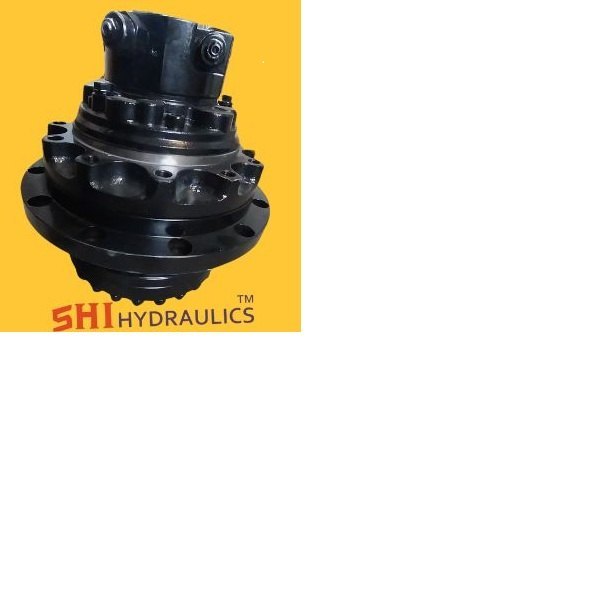
HDD Track Motor' likely refers to the track drive motor used in Horizontal Directional Drilling (HDD) machines. These motors are essential components for crawler-type HDD rigs that move on tracks like excavators or bulldozers.
Here’s a breakdown of what it typically includes:
�� HDD Track Motor – Overview �� Function:
Powers the caterpillar tracks (undercarriage) of an HDD rig.
Allows the rig to move across job sites, especially in rough terrain.
Usually hydraulically driven, controlled via the machine's onboard system.
⚙️ Components:
Hydraulic Motor:
Converts hydraulic fluid pressure into mechanical torque.
Usually a radial piston or orbital motor for high torque at low speed.
Planetary Gearbox:
Reduces speed and increases torque output.
Designed for heavy-duty use in mobile machinery.
Brake System:
Often a built-in spring-applied, hydraulically released brake.
Prevents movement when the machine is idle or off.
Mounting Flange & Sprocket:
Connects directly to the track sprocket, enabling motion transfer to tracks.
✅ Key Features:
High torque output
Compact design for integration into the track frame
Sealed and weather-resistant for outdoor use
Built for shock loads and heavy-duty cycles
�� Applications:
Horizontal Directional Drilling Rigs (Vermeer, Ditch Witch, etc.)
Pipeline and trenchless installations
Other crawler-based construction machinery
�� Specifications (typical range):
Spec Value
Flow Rate 60–200 L/min
Max Pressure 300–450 bar
Torque 3000–15000 Nm
Speed Range 0–50 RPM
If you need:
A part number cross-reference (for a brand like Vermeer or Ditch Witch)
A spare parts diagram
Hydraulic circuit showing the track motor's role
Or help identifying one from a machine
 Chat with us
 Chat with us