New Delhi
08045134631
+919311288288

manufacturer and tools

68179d65be22ee500d53ff54 Card 2

product image
manufacturer and tools

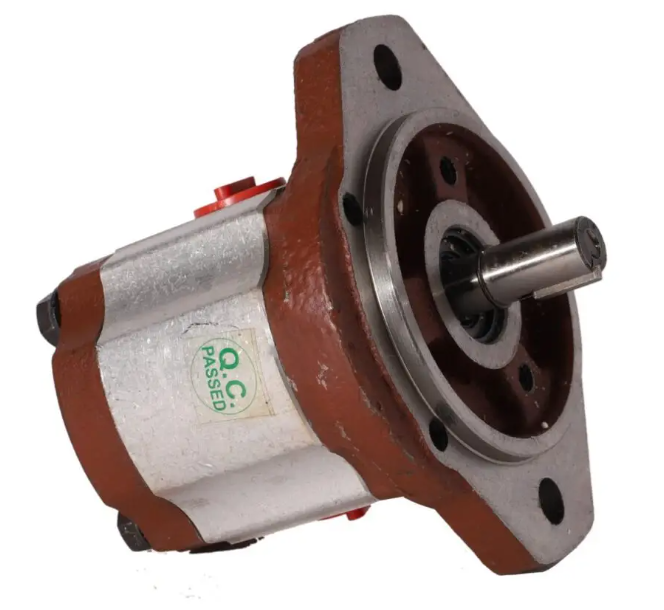
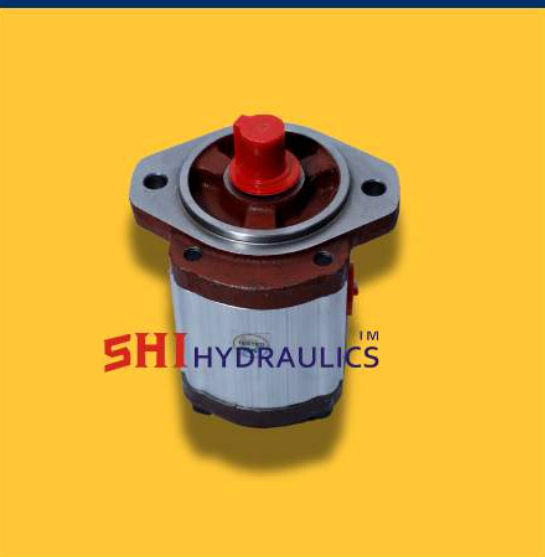
HDD Gear Pump HDD Gear Pump Overview (Hydraulic Driven Displacement) are widely used in industrial applications, primarily in hydraulic systems, due to their durability, efficiency, and ability to handle high-pressure environments. These pumps are a type of positive displacement pump, and their design ensures the consistent flow of fluid regardless of changes in pressure. This makes them particularly suitable for systems where precise control and reliability are crucial. Basic Design and Operation HDD consist of two main gears: the driving gear and the driven gear. These gears mesh with each other inside a housing and work together to move hydraulic fluid through the system. The driving gear is typically powered by an external motor, which turns the gears and forces the fluid into the discharge side of the pump. As the gears rotate, fluid enters the pump chamber through an inlet port. The fluid is trapped between the teeth of the gears and the housing, and as the gears continue to rotate, the trapped fluid is carried around the gear teeth and pushed out the outlet port. This process is continuous, resulting in a steady flow of fluid. One of the main advantages of gear pumps is their ability to maintain a constant flow rate, which is a key requirement in many hydraulic systems. The flow is determined by the size of the gears and the speed at which they rotate. By adjusting the speed of the motor or changing the gear size, the flow rate can be modified to meet the needs of the application. Applications of Pumps used in a wide variety of applications, including but not limited to: Hydraulic Systems: These pumps are used in machinery such as forklifts, excavators, and cranes, where they provide hydraulic fluid to power various parts of the system. Automotive: In the automotive industry, HDD gear pump are used in power steering systems, transmission fluid pumps, and oil pumps. Oil and Gas: The pumps are used for fluid transfer in drilling rigs, offshore platforms, and refineries. Industrial Manufacturing: HDD can be found in various manufacturing plants where precise fluid transfer is necessary, such as in plastic injection molding or lubrication systems. Advantages High Efficiency: Gear pumps are known for their high efficiency, particularly in terms of energy conversion. The meshing of gears minimizes energy loss, which makes them more energy-efficient compared to other types of pumps. Durability: Gear pumps are built to last. They are resistant to wear and tear, even under heavy-duty use. The metal construction of the gears and housing allows the pump to withstand high-pressure conditions without failure. Compact Design: Despite their power, gear pumps are relatively small and compact, making them ideal for applications with limited space. This makes them a good choice for use in machinery or equipment where size constraints are a consideration. Smooth Flow: Gear pumps provide a steady and continuous flow of fluid, which ensures stable operation in hydraulic systems. This reduces the potential for erratic movements or system failures. Versatility: These pumps are versatile in terms of the fluids they can handle. They can work with a variety of liquids, including oils, water, and other industrial fluids. Depending on the materials used, they can even handle viscous fluids or those with particulates. Limitations and Challenges Despite their advantages, pumps also have certain limitations:

68179d65be22ee500d53ff54 Card 2

product image
manufacturer and tools

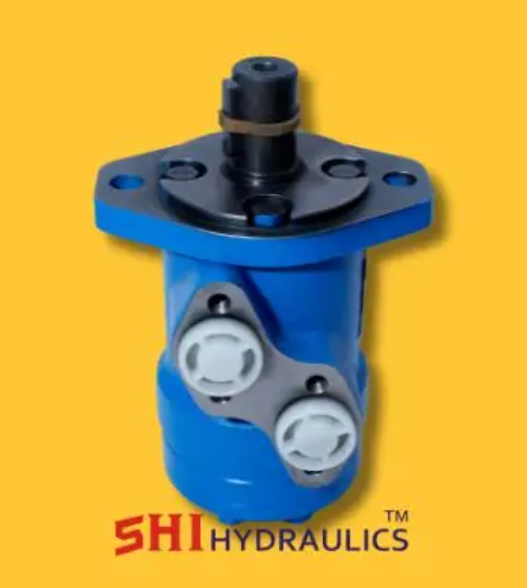
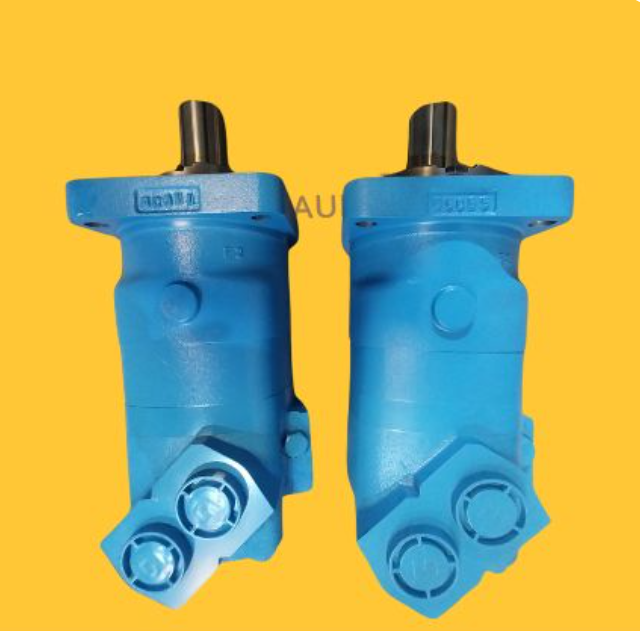
Hydraulics Motors Hydraulics Motors is a mechanical actuator that converts hydraulic energy (fluid power) into rotational mechanical energy. It is part of the broader category of hydraulic machinery used in a variety of industrial applications, from manufacturing to construction, where rotary motion is required. Hydraulic motors are powered by pressurized hydraulic fluid supplied by a pump, and they are capable of generating high torque at low speeds, making them essential for demanding tasks The hydraulic motors operates on the principle of fluid power, which involves the use of pressurized fluid to generate motion. A hydraulic consists of an enclosed rotor or shaft connected to gears, pistons, or other mechanical components, Pressurized Fluid Inflow: The hydraulic pump sends pressurized fluid to the hydraulic through an inlet port. Rotational Motion: As the fluid enters the it pushes against the internal components (such as gears or pistons), causing the rotor or shaft to rotate. Exhaust Flow: Once the fluid has passed through the , it exits via an outlet port, typically at a lower pressure than it entered. The rotational speed and torque output of the are determined by the pressure of the fluid and the design of the motor itself. Hydraulic motors can produce high Types There are several types of hydraulic motors, each designed for specific applications and performance requirements. These include: Gear: External Gear These consist of two meshed gears that rotate to generate torque. The fluid is directed between the gears, causing them to spin. Internal Gear : These have a smaller gear rotating inside a larger gear. They are more efficient than external gear motors and are capable of producing higher torque output. Vane These use sliding vanes mounted on a rotor to create pressure chambers as the spins. The vanes push against the walls of the housing, generating rotational motion. V Piston : Axial Piston : In these motors, pistons are arranged parallel to the shaft and move back and forth. The fluid forces the pistons to generate motion along the shaft. Radial Piston Here, the pistons are arranged radially around the motor shaft. These motors are known for their ability to generate high torque at lower speeds, Rotary Vane These motors consist of a rotor and vanes that slide in and out to create pressurized chambers. The chambers drive the motor’s Applications Construction Machinery: Hydraulic motors are integral to the operation of equipment like excavators, cranes, bulldozers, and wheel loaders, Agriculture: These motors drive implements such as augers, Marine and Offshore: Hydraulic motors are used to power winches, thrusters, and other machinery in marine vessels and offshore oil rigs. Industrial Automation: Automotive: In automotive applications, hydraulic motors are used in systems such as steering, lifting equipment, or as part High Torque at Low Speeds: Efficiency: Compact Design: Durability and Reliability: T Precise Control: Leakage and Fluid Loss: Noise and Heat Generation: Maintenance: Sensitivity to Contaminants: Vane motors use a rotor with sliding vanes that are forced outward by centrifugal force as the rotor turns. The vanes create pressurized chambers, which generate rotational motion. Vane motors are known for smooth operation and high efficiency, particularly at low speeds, and are often used in applications where quiet and steady performance is required. Axial Piston Motors: These motors have pistons arranged parallel to the motor shaft. As hydraulic fluid forces the pistons to move back and forth, it causes the motor shaft to rotate.

68179d65be22ee500d53ff54 Card 2

product image
manufacturer and tools

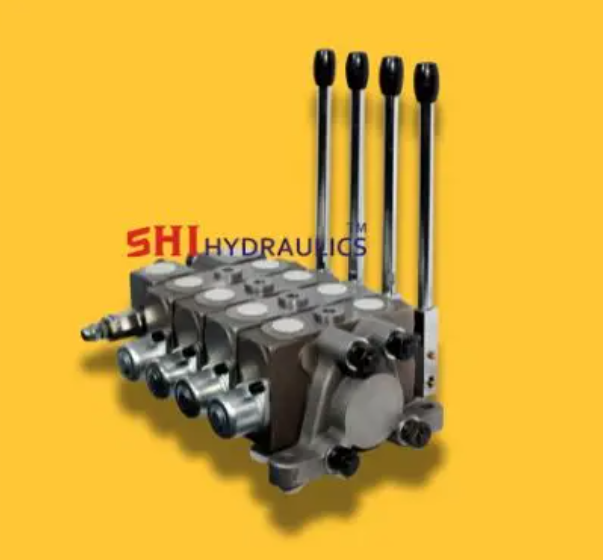
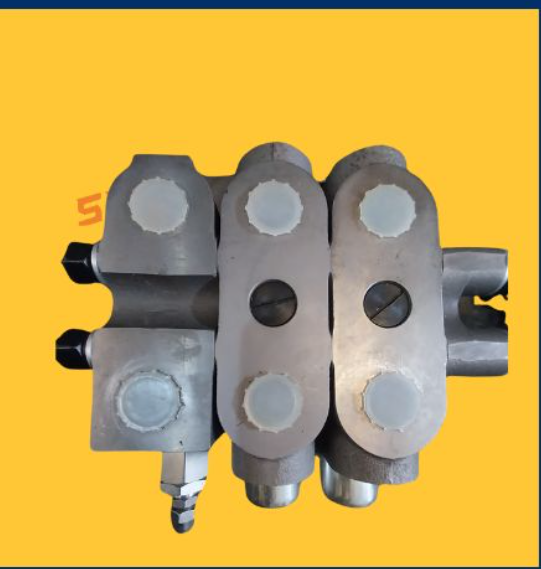
Monoblock Valve: A Comprehensive Overview A Monoblock valve is a type of hydraulic valve that is designed as a single, compact unit. It plays a crucial role in controlling the flow, Design and Structure of a Monoblock Valve The primary characteristic of a Monoblock valve is its monoblock construction, where multiple valve functions Monoblock valves typically Valve Body: The main housing that contains the valve’s internal components and channels. It is usually machined from a single piece of metal. Control Spools or Ball Mechanisms: These components control the flow direction and the opening Ports: The inlet and outlet ports that allow hydraulic fluid to enter and exit the valve. These ports are typically designed for high-pressure environments. Spring or Actuator Mechanism: Some block valves are spring-loaded, while others use solenoids or hydraulic actuators to control the valve’s movement and function. Seals and O-rings: These ensure that there are no leaks between the internal components, maintaining the integrity of the hydraulic fluid system. Working Principle of a Monoblock Valve Flow Control: The valve’s internal mechanism, such as a spool or ball, Pressure Relief: Many monoblock valves include integrated pressure relief features. Direction Control: Monoblock valves can also control the direction of fluid flow. For example, a directional control valve in a monoblock Types of Monoblock Valves Monoblock valves come in various types, each designed for specific tasks within a hydraulic system. The most common types include: Directional Control Valves: These valves control the direction of the hydraulic fluid. They are used to change the flow direction, Flow Control Valves: Flow control valves regulate the flow rate of the hydraulic fluid in a system. conditions. Pressure Relief Valves: These valves are designed to maintain a preset maximum pressure in the hydraulic system. When the system’s pressure exceeds the set limit, Check Valves: Check valves allow fluid to flow in one direction only, Combination Valves: Some monoblock valves combine multiple valve functions into a single unit, such as a directional control valve with built-in pressure relief and flow control. Advantages of Monoblock Valves Compact Design: One of the primary advantages of Monoblock valves is their compact design. Since all components are integrated into a single unit, Ease of Installation: The single-unit design of Monoblock valves simplifies installation. Cost-Effectiveness: Monoblock valves are generally more cost-effective than traditional valves that require multiple parts. Reduced Leak Points: With fewer parts and integrated construction, Improved Performance: The integration of multiple valve functions into a single unit reduces the number of components that could potentially fail, Applications of Monoblock Valves Monoblock valves are used in a wide range of applications across various industries, including: Construction Machinery: Monoblock valves are used in construction equipment like excavators, loaders, and backhoes to control the movement of hydraulic cylinders and motors. Agricultural Equipment: In agriculture, Monoblock valves control the operation of hydraulic systems in tractors, combine harvesters, and other farm machinery. Industrial Automation: These valves are widely used in industrial machines and production lines for controlling fluid flow to actuators, which is essential in automation processes. Mobile Equipment: Monoblock valves are commonly found in mobile machinery like cranes, forklifts, and material handling systems, where they manage the hydraulic flow for various operations. Automotive Systems: Monoblock valves are used in automotive applications, such as power steering systems and lifting mechanisms in heavy-duty vehicles. Conclusion Monoblock valves are essential components in hydraulic systems, offering a compact, cost-effective, and reliable solution for controlling fluid flow, pressure, and direction. Their integrated design minimizes installation time

68179d65be22ee500d53ff54 Card 2

product image
manufacturer and tools

Hydraulic Gear Pump Model 6006: An Overview The Hydraulic Pump Model 6006 is a specific model of hydraulic pump designed for industrial applications, where high efficiency, reliability, and precision are essential. Hydraulic pumps are commonly used to transfer fluids under pressure, converting mechanical energy into hydraulic energy. Basic Design and Operation The Hydraulic Gear Pump Model 6006 is a type of positive displacement pump that operates by using the meshing of gears to move hydraulic fluid. I The 6006 model operates as follows: Inlet Fluid: Hydraulic fluid enters the pump through an inlet port. The gears rotate, and the fluid is trapped between the teeth. Fluid Movement: As the gears continue rotating, they push the trapped fluid along the sides of the gears, from the inlet side to the discharge side. Discharge Fluid: The fluid exits the pump through an outlet port at high pressure, which is used to power various parts of a hydraulic system. These gears rotate within a pump casing, creating a continuous flow of fluid . Key Features of the Hydraulic Pump Model 6006 The Hydraulic Gear Pump Model 6006 is designed for versatility and high performance. Some of its key features include: High Efficiency: The 6006 pump is built to minimize energy loss during operation, making it a highly efficient option for hydraulic systems. Durability and Reliability: The model 6006 is designed for heavy-duty use in industrial applications. Compact Design: The 6006 model has a relatively compact design, making it suitable for use in applications where space is limited. Versatility: The model is adaptable to various fluids, including oils and synthetic fluids, which allows it to be used in diverse applications. I Pressure and Flow Control: The 6006 gear pump is designed to provide stable flow rates under different pressure conditions. The flow rate is primarily determined by the speed at which the gears rotate, Applications of the Hydraulic Pump Model 6006 The Hydraulic Gear Pump Model 6006 is commonly used in various sectors where in efficient hydraulic fluid transfer is needed. Its applications include: Construction Equipment: The 6006 gear pump is widely used in construction machinery such as excavators, loaders, and bulldozers, Agricultural Machinery: Automotive and Commercial Vehicles: The 6006 model is used in hydraulic systems for power steering, braking systems, Industrial Applications: Marine Applications: Hydraulic systems in marine vessels often use gear pumps like the 6006 to power steering mechanisms, Advantages of the Hydraulic Model 6006 Consistent Flow: One of the primary advantages of the 6006 model is its ability to provide a continuous and stable flow of hydraulic fluid, Low Maintenance: Due to its robust design and minimal wear and tear, the 6006 gear pump requires relatively low maintenance compared to other types of pumps. Cost-Effective: The model 6006 provides excellent performance without the high cost of more complex pump designs, making it a cost-effective option for many applications. Precision and Control: The pump provides precise control of the fluid flow, which is necessary for applications where accuracy and stability are critical. Limitations of the Hydraulic Pump Model 6006 Noise and Vibration: Like most gear pumps, the 6006 model can produce noise and vibration during operation, especially at higher speeds. Fluid Contamination Sensitivity: Limited Suction Capability: Gear pumps, including the 6006 model, are typically not in high suction power. Conclusion The Hydraulic Gear Pump Model 6006 is an efficient, durable, and versatile pump designed to handle a wide range of industrial applications.

68179d65be22ee500d53ff54 Card 2

product image
manufacturer and tools

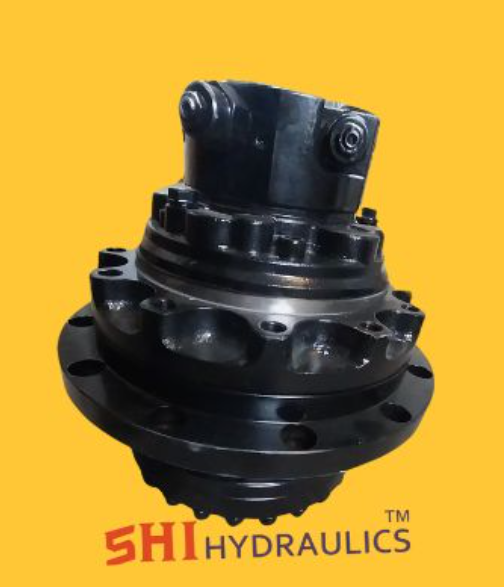
Track China Motor” does not appear to refer to a specific, widely recognized entity or brand in motorsports, manufacturing, or logistics. However, depending on the context, it could imply: Motorsports Context: If you’re referring to motorsport tracks in China, it might involve racetracks like the Shanghai International Circuit such as Formula 1 and endurance racing. Logistics or Shipment: It could relate to tracking motors or engines shipped from China. Manufacturing: It might be about electric motors or machinery products manufactured in China for industries like automotive, robotics, or engineering. Industrial Motor: A high-performance industrial motor used in manufacturing, automation, or heavy-duty applications. The “600” could denote: Power rating (e.g., 600 watts or 600 horsepower).A specific model or series number. Motorsport Equipment: If it’s associated with motorsports, it might be a track-ready motor with specifications tailored for racing or track performance .Pumps or Compressors: In the context of fluid handling or drilling, it might refer to a motor driving pumps or compressors in industries like HDD (Horizontal Directional Drilling), mining, or oil and gas

68179d65be22ee500d53ff54 Card 2

product image
manufacturer and tools

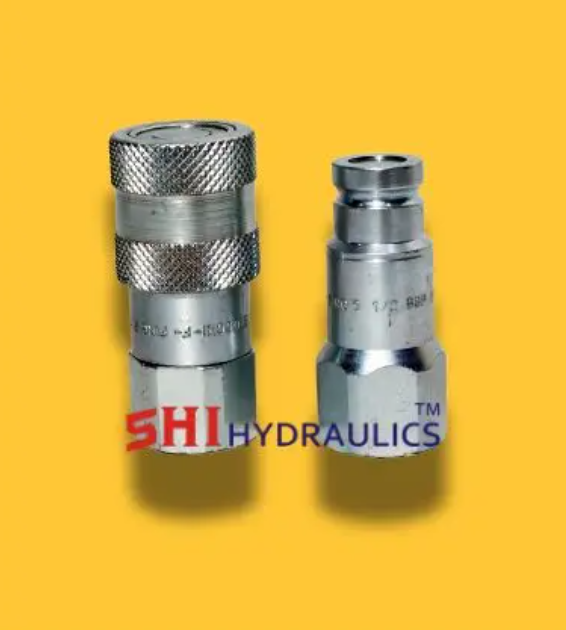
A quick release coupling is a versatile connector designed to be quickly and easily disassembled and reassembled in hose, pipe, tubing or in water transfer applications These couplings are commonly used in a variety of industries, including automotive , including construction and agriculture, where water management is important ### Special Features: 1. **FAST OPERATION**: Quick release couplings provide fast connection and disconnection, resulting in less downtime when servicing or replacing equipment. 2. **User-friendly design**: Typically featuring a simple push-pull or latch mechanism, these couplings can be operated with one hand, making them simple and efficient. 3. **Versatility**: Available in a variety of sizes and materials, quick release couplings can handle a variety of fluids including water, oil and air, making them suitable for a wide range of applications. 4. **Leak-Proof Seal**: Many early release couplings use O-rings or sealing devices that ensure a safe, leak-proof connection, maintaining system integrity during operation among. 5. **Durability**: Made of durable materials such as copper, stainless steel, or polymers, these couplings are designed to withstand high stresses and harsh environmental conditions , has ensured its long-term effectiveness. Overall, quick-release couplings provide an efficient solution for fluid handling, facilitating easy operation and easy maintenance in industrial and commercial environments

68179d65be22ee500d53ff54 Card 2

product image
manufacturer and tools

Gear Pump for HDD Machines Gear pumps are essential components in hydraulic systems, especially in heavy-duty applications like Horizontal Directional Drilling (HDD) machines. Their robust design, reliability, and consistent performance make them ideal for powering hydraulic functions critical to HDD operations. From driving the hydraulic cylinders to providing the pressure needed for drilling and reaming, gear pumps play a pivotal role in ensuring smooth and efficient performance Gear Pumps for HDD Machines High Efficiency Designed to deliver consistent flow and pressure with minimal energy loss. Compact and Lightweight Easy to integrate into the compact layouts of HDD machines. Robust Construction Made from durable materials like cast iron or aluminum to withstand extreme conditions. Wide Pressure Range Capable of handling high pressures required for demanding HDD tasks. Ease of Maintenance Simple design ensures easy disassembly and servicing. Versatile Fluid Compatibility Suitable for various hydraulic fluids, including biodegradable options. Low Noise Operation Engineered for quiet performance, improving operator comfort. Applications of Gear Pumps in HDD Machines Drilling Operations Provides the hydraulic pressure required to operate the drill head and other tools. Mud Pumping Drives hydraulic systems that pump drilling fluids to cool the drill bit and remove debris. Pipe Handling Systems Powers hydraulic arms and clamps used for handling and aligning pipes. Reaming and Pullback Supplies consistent pressure for reaming and pulling pipes back through drilled holes. Directional Control Supports hydraulic systems responsible for steering and directional adjustments of the drill head. Advantages of Using Gear Pumps for HDD Machines Durability Built to withstand harsh environments, including mud, water, and extreme temperatures. Reliability Provides consistent performance with minimal risk of failure. Cost-Effectiveness Offers a good balance of performance, durability, and affordability. Compact Design Space-saving construction allows for integration into tight machine layouts. Energy Efficiency Delivers high performance with reduced power consumption. Smooth Operation Ensures a steady and uninterrupted hydraulic flow. Material and Construction Housing Typically made from cast iron, steel, or aluminum for strength and corrosion resistance. Gears Precision-engineered gears made of hardened steel for durability and wear resistance. Seals and Bearings High-quality seals prevent fluid leakage, while robust bearings ensure smooth gear rotation. Mounting Configurations Available in various mounting options to suit different HDD machine designs. Selecting the Right Gear Pump for HDD Machines Flow Rate Choose a pump with the appropriate flow rate to match your system’s requirements. Pressure Rating Ensure the pump can handle the operating pressure of your HDD machine. Size and Weight Select a compact and lightweight model for ease of integration. Material Compatibility Ensure the pump materials are compatible with the hydraulic fluid used in your system. Environmental Conditions Opt for a pump designed to operate reliably in the specific conditions of your HDD project. Maintenance Tips for Gear Pumps in HDD Machines Regular Inspection Check for wear, leaks, and unusual noises to identify potential issues early. Fluid Quality Use clean, compatible hydraulic fluids to prevent contamination and damage. Seal Replacement Periodically replace seals to maintain performance and prevent leaks. Monitor Operating Conditions Avoid overloading the pump beyond its rated pressure and flow limits. Scheduled Servicing Follow the manufacturer’s maintenance schedule for optimal performance and longevity. Innovations in Gear Pumps for HDD Machines High-Efficiency Models New designs reduce energy consumption while maintaining high performance. Advanced Materials Use of composite materials for improved wear resistance and reduced weight. Integrated Monitoring Systems Sensors for real-time monitoring of pressure, temperature, and flow. Eco-Friendly Designs Compatibility with biodegradable hydraulic fluids to minimize environmental impact. Why Choose Gear Pumps for HDD Machines? Proven Performance Trusted by HDD professionals worldwide for their reliability and efficiency. Adaptability Wide range of models to suit various HDD machine requirements. Ease of Maintenance Simple design reduces downtime and maintenance costs. Global Availability Widely available with comprehensive support from manufacturers and distributors.

68179d65be22ee500d53ff54 Card 2

product image
manufacturer and tools

Danfoss is a well-known manufacturer of electric motors, including AC and DC motors, typically used in industrial automation, HVAC systems, and various other applications. Their motors are known for their high efficiency, durability, and compatibility with Danfoss drives and controllers. Key Features of Danfoss Motors: High Efficiency: Danfoss motors comply with energy efficiency standards like IE2, IE3, and IE4, ensuring reduced power consumption. Robust Design: Built for demanding environments, including extreme temperatures, vibrations, and heavy loads. Compatibility: Designed to work seamlessly with Danfoss VLT and VACON drives for optimal performance. Low Noise & Vibration: Many models come with noise-reduction technology, making them ideal for noise-sensitive environments. Wide Application Range: Used in HVAC, water and wastewater management, marine, food processing, and industrial automation. Advanced Cooling Mechanisms: Some models feature integrated cooling systems for enhanced heat dissipation. Customizable Options: Available in various power ratings, voltages, and configurations to suit specific industrial needs.

68179d65be22ee500d53ff54 Card 2

product image
manufacturer and tools

Gear Pumps Gear Pump A gear pump is a type of positive displacement pump widely used for transferring liquids in various industrial applications. Known for its simplicity, reliability, and efficiency, the gear pump is a crucial component in many systems, including chemical processing, lubrication, and hydraulic operations. This document provides an in-depth description of gear pumps, including their working principle, components, types, applications, and advantages. Working Principle The operation of a gear pump is based on the principle of positive displacement. It consists of two meshing gears that rotate to transfer fluid. As the gears turn, liquid is trapped in the spaces between the gear teeth and the pump casing. This fluid is carried from the suction side to the discharge side of the pump, creating a steady and consistent flow. Key Components A typical gear pump comprises the following components: Gears: Two primary gears are used—a driving gear and a driven gear. These gears can be either external (located outside of each other) or internal (one gear inside another). Pump Housing: Encloses the gears and maintains alignment. Designed to withstand high pressures and resist wear and corrosion. Bearings: Support the shafts of the gears to ensure smooth rotation. Often made from materials that minimize friction. Shafts: Connect the driving gear to a motor or engine. Transmit rotational power to the gear mechanism. Seals: Prevent fluid leakage and maintain operational efficiency. Typically made from materials resistant to the pumped fluid. Types of Gear Pumps Gear pumps can be categorized based on their design and arrangement of gears: External Gear Pumps: Feature two external gears meshing together. Commonly used for handling low-to-medium viscosity fluids. Internal Gear Pumps: Consist of an internal gear that meshes with an external gear. Capable of handling high-viscosity fluids, making them ideal for applications like oil or syrup transfer. Lobe Pumps: A variation where the gears are replaced with lobed rotors. Gentle on the fluid, making them suitable for food and pharmaceutical industries. Applications Gear pumps are versatile and find use across numerous industries: Lubrication Systems: Deliver precise amounts of oil or lubricants to machinery and engines. Chemical Processing: Transfer corrosive or viscous liquids such as acids, solvents, and polymers. Hydraulic Systems: Provide consistent flow and pressure in hydraulic circuits. Food and Beverage: Handle thick fluids like chocolate, syrups, and sauces. Oil and Gas: Transfer crude oil, refined fuels, and other hydrocarbons. Medical and Pharmaceutical: Pump sterile liquids or precise doses of medication. Advantages Gear pumps offer several benefits that make them a preferred choice in various operations: Compact Design: Small and lightweight, making them easy to install and maintain. High Efficiency: Provide consistent flow regardless of pressure variations. Durability: Built to handle harsh conditions and abrasive fluids with minimal wear. Versatility: Can manage a wide range of viscosities and temperatures. Self-Priming: Ability to operate without requiring initial fluid in the pump. Precise Flow Control: Deliver accurate and repeatable flow rates, essential in sensitive processes. Limitations Despite their advantages, gear pumps have some drawbacks: Limited Suction Capacity: Not ideal for pumping fluids over long distances or from deep sources. Noise: Can produce higher noise levels compared to other types of pumps. Sensitivity to Contaminants: Require clean fluids to avoid gear damage and maintain efficiency. Fixed Flow Rate: Flow is directly proportional to the pump speed, making them less flexible in some applications. Future Trends The design and application of gear pumps are continuously evolving to meet modern demands: Improved Materials: Use of advanced alloys and coatings to enhance resistance to wear and corrosion. Smart Technology Integration: Incorporating sensors and IoT capabilities for real-time monitoring and predictive maintenance. Energy Efficiency: Developing low-power and energy-efficient designs for sustainable operations. Customization: Tailored designs to meet specific industrial needs and regulatory requirements.

68179d65be22ee500d53ff54 Card 2

product image
manufacturer and tools

HDD (Horizontal Directional Drilling) valves are specialized components used in drilling operations to control fluid flow, pressure, and drilling mud circulation. These valves play a crucial role in managing the drilling process, ensuring efficient operation and preventing blowouts or fluid loss. Types of HDD Valves: Mud Valves – Control the flow of drilling mud, preventing blockages and ensuring smooth circulation. Check Valves – Prevent backflow of fluids, protecting the drilling equipment from contamination or damage. Gate Valves – Regulate or shut off fluid flow within the drilling system. Relief Valves – Prevent overpressure situations by releasing excess pressure in the system. Ball Valves – Provide quick on/off control of drilling fluids with minimal resistance. Functions of HDD Valves: Control drilling fluid pressure and flow. Prevent drilling mud loss or contamination. Ensure safe and efficient drilling operations. Protect the downhole tools and pipeline from excessive pressure.

68179d65be22ee500d53ff54 Card 2

product image
manufacturer and tools

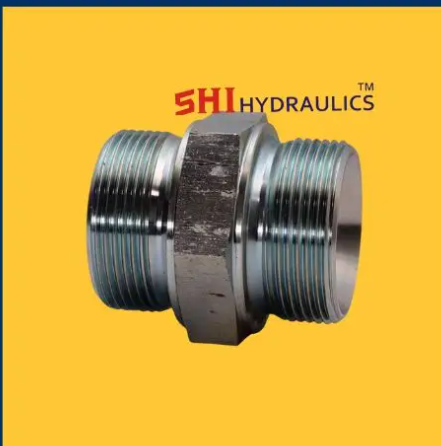
Hydraulic fittings are crucial components in hydraulic systems, connecting hoses, pipes, and tubes to direct and control the flow of hydraulic fluid under high pressure. Designed to ensure leak-proof connections and reliable performance, these fittings play a vital role in maintaining system efficiency, safety, and durability. Used across industries such as construction, agriculture, aerospace, and manufacturing, hydraulic fittings come in various materials, types, and configurations to suit specific applications.

68179d65be22ee500d53ff54 Card 2

product image
manufacturer and tools

Adaptors Hose Adaptors Design and Construction of Adaptors Hose adaptors are engineered with precision to meet the demands of various systems. Their construction Materials: Steel: Ideal for high-pressure and high-strength applications, commonly used in hydraulic systems. Stainless Steel: Provides excellent resistance to corrosion and is suitable for harsh environments or chemical exposure. Brass: Known for its corrosion resistance and ease of machining, suitable for medium-pressure systems. Aluminum: Lightweight and corrosion-resistant, preferred for applications where weight reduction is crucial. Plastic or Composite: Cost-effective and lightweight, used for low-pressure or non-corrosive environments. Design Features: Threaded Ends: Barbed Connectors: Quick-Connect Mechanisms: Swivel Joints: Prevent kinking and reduce stress on hoses by allowing rotational movement. Sealing Mechanisms: Types of Hose Adaptors Hose adaptors are available in various types, each designed for specific purposes. Common types include: Straight : Connect hoses or fittings in a straight alignment, maintaining consistent fluid flow. Elbows: Feature angled connections, such as 45° or 90°, to accommodate directional changes in fluid routing. T-: Allow fluid to split or merge in systems with multiple flow paths, providing flexibility in design. Reducing : Enable connections between hoses or fittings of different diameters, accommodating changes in system size. Swivel : Allow rotational movement between components to prevent twisting and reduce wear. Quick-Disconnect : Facilitate rapid connections and disconnections, commonly used in systems with frequent maintenance or equipment changes. Specialized : Designed for unique applications, such as chemical resistance, high-temperature tolerance, or specific thread patterns. Applications Hose adaptors are integral to a broad spectrum of industries and applications: Hydraulics: Used in construction machinery, agricultural equipment, and industrial systems to connect hydraulic hoses and components securely. Pneumatics: Facilitate air flow in systems such as air compressors, pneumatic tools, and automated machinery. Automotive: Commonly used in fuel lines, braking systems, and cooling systems for efficient fluid transfer. Oil and Gas: Critical in connecting high-pressure pipelines and hoses in drilling rigs, refineries, and petrochemical plants. Water Systems: Employed in irrigation, plumbing, and municipal Manufacturing: Used in machinery and equipment to connect hoses for lubrication, cooling, or fluid delivery systems. Advantages Hose adaptors offer numerous benefits that enhance the efficiency and functionality of fluid transfer systems: Versatility: Available in a wide range of sizes, materials, and configurations to suit diverse applications. Ease of Installation: Designed for straightforward installation, often requiring minimal tools or expertise. Durability: Engineered to withstand high pressures, extreme temperatures, and harsh environmental conditions. Leak Prevention: Precision design and effective sealing mechanisms ensure a secure and leak-free connection. Customization: Adaptors can be tailored to meet specific requirements, such as unique thread types or material in compatibility. Cost-Effectiveness: Allow the integration of different components without the need for costly system modifications. Maintenance and Best Practices To ensure the reliability and longevity of hose adaptors, proper maintenance and handling are crucial: Regular Inspection: Check adaptors for signs of wear, corrosion, or leaks. Replace damaged components promptly. Use Compatible Materials: Select adaptors made from materials that match the fluid type and environmental conditions. Avoid Over-Tightening: Excessive tightening can damage threads or compromise the seal. Protect from Damage: Shield adaptors from physical impacts, abrasion, and exposure to corrosive chemicals. Follow Manufacturer Guidelines: Adhere to installation and maintenance recommendations for optimal performance. Conclusion Hose adaptors are indispensable components in.Their diverse range of designs and materials makes them suitable for various industries, from hydraulic systems to automotive and manufacturing applications. By selecting the appropriate adaptor and maintaining it properly, operators can ensure efficient, safe, and reliable operation of

Phone Number

08045134631

Please keep 0 before dialling the number.

Email Address sonuhosepipe@gmail.com

Mon-Thu: 10 AM - 2 PM • Fri: 3 PM - 7AM

Other Website Visit our other website
Address D , 47 , Mayapuri Industrial Area Phase II

New Delhi, India, 110064