Thank you for writing to us. One of our executive will reach back to you through your submitted medium. In case there’s an urgency, feel free to connect over WhatsApp for faster response.
Prefer calling? Dial +9108045134631 (International callers) or 08045134631 (Indian callers).
HDD Control Valves Control valves** in HDD rigs manage the direction, flow rate, and pressure of hydraulic fluids powering various components, such as:
Thrust/pullback systems
Drill rotation motors
Clamp/vise actuators
Pipe loader arms
Mud pump drive systems
They can be manual, pilot-operated, or electro-hydraulic depending on system complexity.
�� 2. Types of Valves Used in HDD Systems
Valve Type Function Common Placement
Directional Control Valve (DCV) Directs flow to actuators (e.g. extend/retract cylinders) Main hydraulic circuits
Flow Control Valve Regulates speed of actuators by limiting flow Rotation/thrust speed adjustment
Pressure Relief Valve Protects system from overpressure Inline with all major circuits
Pilot-Operated Check Valve Locks actuators in place under load Clamp and rotation holding systems
Solenoid Valve Electrically controlled valve for automated function Remote or onboard controls
Load-Sensing Valve Adjusts flow based on demand, improving efficiency Advanced HDD rigs
⚙️ 3. Features:
High pressure handling (up to 5000 psi / 350 bar)
Compact modular manifolds for integrated control
Stackable for space-efficient designs
Available in cartridge or monoblock forms
Options for manual levers, electric joystick, or remote radio control
�� 4. Specifications (Typical):
Spec Value
Flow Rate 20–150 L/min
Pressure 210–420 bar (3000–6000 psi)
Ports BSP, NPT, or SAE
Control Manual, electric, or hydraulic pilot
Material Steel or cast iron (plated for corrosion resistance)
�� 5. Brands Used in HDD Machines:
Rexroth (Bosch)
Parker Hannifin
Hydac
Sun Hydraulics
Danfoss / Eaton
Walvoil, Yuken, and Atos
�� 6. Applications in HDD Rigs:
System Valve Role
Thrust/Pullback Directional & flow control for hydraulic cylinders
Rotation Drive Speed & torque control via flow/pressure regulation
Clamp/Vise Check valves to hold position under load
Rod Loader Directional valves for actuator motion
Drill Head Steering Fine pressure and flow adjustments for steering nozzles
�� 7. Maintenance & Troubleshooting:
Regularly inspect for leakage, spool stickiness, or overheating
Ensure filters are clean to avoid contamination wear
Check for correct voltage on solenoid coils
Use diagnostic tools to monitor pilot pressure and feedback
An HDD valve (Horizontal Directional Drilling valve) is a specialized hydraulic control valve used in HDD machines to regulate the flow of hydraulic fluid, ensuring smooth and precise operation of drilling functions. These valves play a crucial role in managing pressure, direction, and flow rate in HDD equipment, which is used for trenchless installation of pipelines, cables, and conduits.
Key Features of HDD Valves
High-Pressure Handling – Designed to withstand the extreme pressures of HDD operations.
Precise Flow Control – Regulates hydraulic fluid flow for accurate machine movements.
Durable & Corrosion-Resistant – Built from high-strength materials to withstand harsh drilling environments.
Leak-Proof Design – Ensures minimal fluid loss for efficient hydraulic system performance.
Smooth Operation – Reduces jerks and vibrations, improving drilling accuracy and efficiency.
Types of HDD Valves
Directional Control Valves – Manage the movement of hydraulic actuators in HDD rigs.
Pressure Relief Valves – Prevent overpressure conditions in the hydraulic system.
Flow Control Valves – Regulate the amount of hydraulic fluid passing through the system.
Check Valves – Ensure fluid moves in one direction, preventing backflow.
Common Applications
Horizontal Directional Drilling (HDD) Machines – Used for pipeline and cable installation under roads, rivers, and buildings.
Hydraulic Systems in Drilling Rigs – Controls drilling head movement and pressure regulation.
Trenchless Technology Equipment – Ensures smooth hydraulic operation in underground drilling projects.
Control Valves for Sonu Hose Pipe
Overview: Sonu Hose Pipe offers a comprehensive range of control valves designed for use in fluid control applications. These valves ensure optimal performance and safety, offering precise regulation of pressure and flow in various systems, such as irrigation, industrial processes, and fluid transfer.
Key Features:
Precision Flow Control: Our control valves are engineered to provide accurate flow regulation, allowing you to manage water, gas, or other fluids with ease.
Durability: Constructed with high-quality materials such as stainless steel and brass, Sonu control valves are built to withstand harsh conditions, ensuring longevity and reliable service.
Versatile Design: Ideal for use in a wide variety of applications, these valves can handle different types of fluids, from water to chemicals, under various pressure conditions.
Easy Installation: The Sonu control valves are designed for quick and simple installation, making them user-friendly and convenient for maintenance and service.
Leak-Proof Seals: Featuring advanced sealing technology, these valves ensure leak-free operation, reducing the risk of fluid wastage and enhancing system efficiency.
Customization Options: Available in multiple sizes and specifications, Sonu Hose Pipe control valves can be customized to meet the unique requirements of your system.
Applications:
Irrigation Systems: Efficiently regulate water flow for agricultural applications.
Industrial Processes: Control the flow of chemicals, gases, or water in manufacturing and processing plants.
Water Treatment Plants: Ensure the proper flow of water for filtration and treatment purposes.
Piping Systems: Regulate fluid movement in piping systems across various industries, including construction, automotive, and more.
Why Choose Sonu Hose Pipe Control Valves?
Trusted Brand: With years of experience in the hose pipe and valve industry, Sonu Hose Pipe is a name you can rely on for quality and service.
Advanced Technology: We incorporate the latest valve technology for superior performance and reliability.
Customer Support: Our team is always ready to assist you with installation advice, product support, and technical assistance.
Wanref Control Valve at Sonu Hose Pipe
Sonu Hose Pipe offers high-performance Wanref Control Valves, designed to deliver precise fluid control and enhance the operational efficiency of hydraulic and pneumatic systems. These advanced control valves are known for their exceptional reliability, durability, and versatility in regulating the flow and pressure of fluids in various applications. Whether used in industrial machinery, construction, or agricultural equipment, Wanref control valves from Sonu Hose Pipe are engineered to perform optimally even in the most demanding environments.
It looks like you’re asking about a Waneref Control Valve, but I couldn’t find specific details on this brand or type. Could you clarify whether "Waneref" is a brand, model, or a specific type of control valve used in a particular application?
If you're looking for general information on Control Valves, I can provide a detailed description covering their types, functions, applications, and benefits. Let me know how you'd like to proceed!
Key Features:
Precise Flow and Pressure Control: Wanref control valves are designed to provide fine control over fluid flow and pressure, ensuring that your systems operate efficiently and safely.
Durable Construction: Manufactured using high-quality materials such as stainless steel, brass, and other corrosion-resistant alloys, these valves are built to withstand harsh conditions and high-pressure environments.
Versatile Design: Wanref control valves are available in a wide range of configurations, offering flexibility to meet the specific requirements of various hydraulic and pneumatic systems.
Leak-Free Performance: With high-quality seals and precision engineering, these valves prevent fluid leaks, contributing to greater system reliability and reducing the risk of fluid loss.
High Pressure and Temperature Resistance: These control valves are designed to function optimally even under extreme pressure and temperature conditions, making them ideal for use in challenging environments.
Compact and Efficient: Designed for ease of installation and maintenance, Wanref control valves have a compact footprint that helps conserve space without compromising on performance.
Long-Lasting: With their robust design and durable materials, Wanref control valves provide long-term reliability and reduced maintenance costs.
Types of Wanref Control Valves:
Flow Control Valves: Used to regulate the flow of fluids in a hydraulic or pneumatic system, these valves help ensure that the correct amount of fluid reaches various components, enhancing system efficiency and preventing damage.
Pressure Control Valves: These valves maintain a constant pressure level within the system by releasing excess pressure or restricting flow as necessary, preventing overpressure situations and protecting sensitive equipment.
Directional Control Valves: Designed to control the direction of fluid flow, these valves are essential for managing the movement of fluids within a system, whether in a forward or reverse direction.
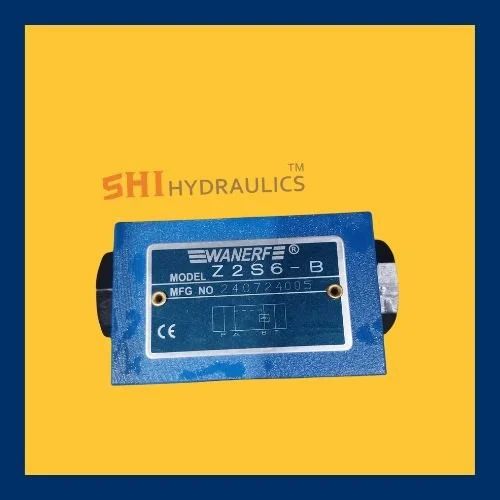
Check Valves: Wanref check valves prevent backflow in a system, allowing fluid to flow in one direction only, which is crucial for maintaining the efficiency and integrity of hydraulic circuits.
Ball and Gate Valves: Known for their reliable performance and ease of operation, ball and gate valves from Wanref are designed for fast and efficient opening and closing of fluid pathways in high-pressure systems.
Applications:
Industrial Machinery: Wanref control valves are essential for regulating the fluid flow in machines used in manufacturing, metalworking, and automation, ensuring smooth operation and system protection.
Construction Equipment: In excavators, cranes, and loaders, these valves help control hydraulic fluid flow to various system components, optimizing the performance of construction machinery.
Agricultural Equipment: Used in tractors, harvesters, and irrigation systems, Wanref control valves ensure that hydraulic systems operate efficiently and reliably during agricultural operations.
Automotive & Transport: Wanref valves play a crucial role in hydraulic steering, braking systems, and suspension systems in vehicles, ensuring safe and efficient operation.
Oil & Gas Industry: In exploration and drilling applications, Wanref control valves regulate the flow of drilling fluids, preventing overpressure and ensuring the smooth operation of equipment under high-stress conditions.
Why Choose Sonu Hose Pipe Wanref Control Valves?
Superior Performance: Sonu Hose Pipe’s Wanref control valves provide precision control, ensuring that your system operates at its peak efficiency, minimizing energy consumption and maximizing output.
Exceptional Durability: Designed with the harshest conditions in mind, these valves are built to last, providing long-term reliability and minimizing the need for replacements or repairs.
Monoblock Valve: A Comprehensive Overview
A Monoblock valve is a type of hydraulic valve that is designed as a single, compact unit. It plays a crucial role in controlling the flow,
Design and Structure of a Monoblock Valve
The primary characteristic of a Monoblock valve is its monoblock construction, where multiple valve functions
Monoblock valves typically
Valve Body: The main housing that contains the valve’s internal components and channels. It is usually machined from a single piece of metal.
Control Spools or Ball Mechanisms: These components control the flow direction and the opening
Ports: The inlet and outlet ports that allow hydraulic fluid to enter and exit the valve. These ports are typically designed for high-pressure environments.
Spring or Actuator Mechanism: Some block valves are spring-loaded, while others use solenoids or hydraulic actuators to control the valve’s movement and function.
Seals and O-rings: These ensure that there are no leaks between the internal components, maintaining the integrity of the hydraulic fluid system.
Working Principle of a Monoblock Valve
Flow Control: The valve’s internal mechanism, such as a spool or ball,
Pressure Relief: Many monoblock valves include integrated pressure relief features.
Direction Control: Monoblock valves can also control the direction of fluid flow. For example, a directional control valve in a monoblock
Types of Monoblock Valves
Monoblock valves come in various types, each designed for specific tasks within a hydraulic system. The most common types include:
Directional Control Valves:
These valves control the direction of the hydraulic fluid. They are used to change the flow direction,
Flow Control Valves:
Flow control valves regulate the flow rate of the hydraulic fluid in a system. conditions.
Pressure Relief Valves:
These valves are designed to maintain a preset maximum pressure in the hydraulic system. When the system’s pressure exceeds the set limit,
Check Valves:
Check valves allow fluid to flow in one direction only,
Combination Valves:
Some monoblock valves combine multiple valve functions into a single unit, such as a directional control valve with built-in pressure relief and flow control.
Advantages of Monoblock Valves
Compact Design:
One of the primary advantages of Monoblock valves is their compact design. Since all components are integrated into a single unit,
Ease of Installation:
The single-unit design of Monoblock valves simplifies installation.
Cost-Effectiveness:
Monoblock valves are generally more cost-effective than traditional valves that require multiple parts.
Reduced Leak Points:
With fewer parts and integrated construction,
Improved Performance:
The integration of multiple valve functions into a single unit reduces the number of components that could potentially fail,
Applications of Monoblock Valves
Monoblock valves are used in a wide range of applications across various industries, including:
Construction Machinery:
Monoblock valves are used in construction equipment like excavators, loaders, and backhoes to control the movement of hydraulic cylinders and motors.
Agricultural Equipment:
In agriculture, Monoblock valves control the operation of hydraulic systems in tractors, combine harvesters, and other farm machinery.
Industrial Automation:
These valves are widely used in industrial machines and production lines for controlling fluid flow to actuators, which is essential in automation processes.
Mobile Equipment:
Monoblock valves are commonly found in mobile machinery like cranes, forklifts, and material handling systems, where they manage the hydraulic flow for various operations.
Automotive Systems:
Monoblock valves are used in automotive applications, such as power steering systems and lifting mechanisms in heavy-duty vehicles.
Conclusion
Monoblock valves are essential components in hydraulic systems, offering a compact, cost-effective, and reliable solution for controlling fluid flow, pressure, and direction. Their integrated design minimizes installation time
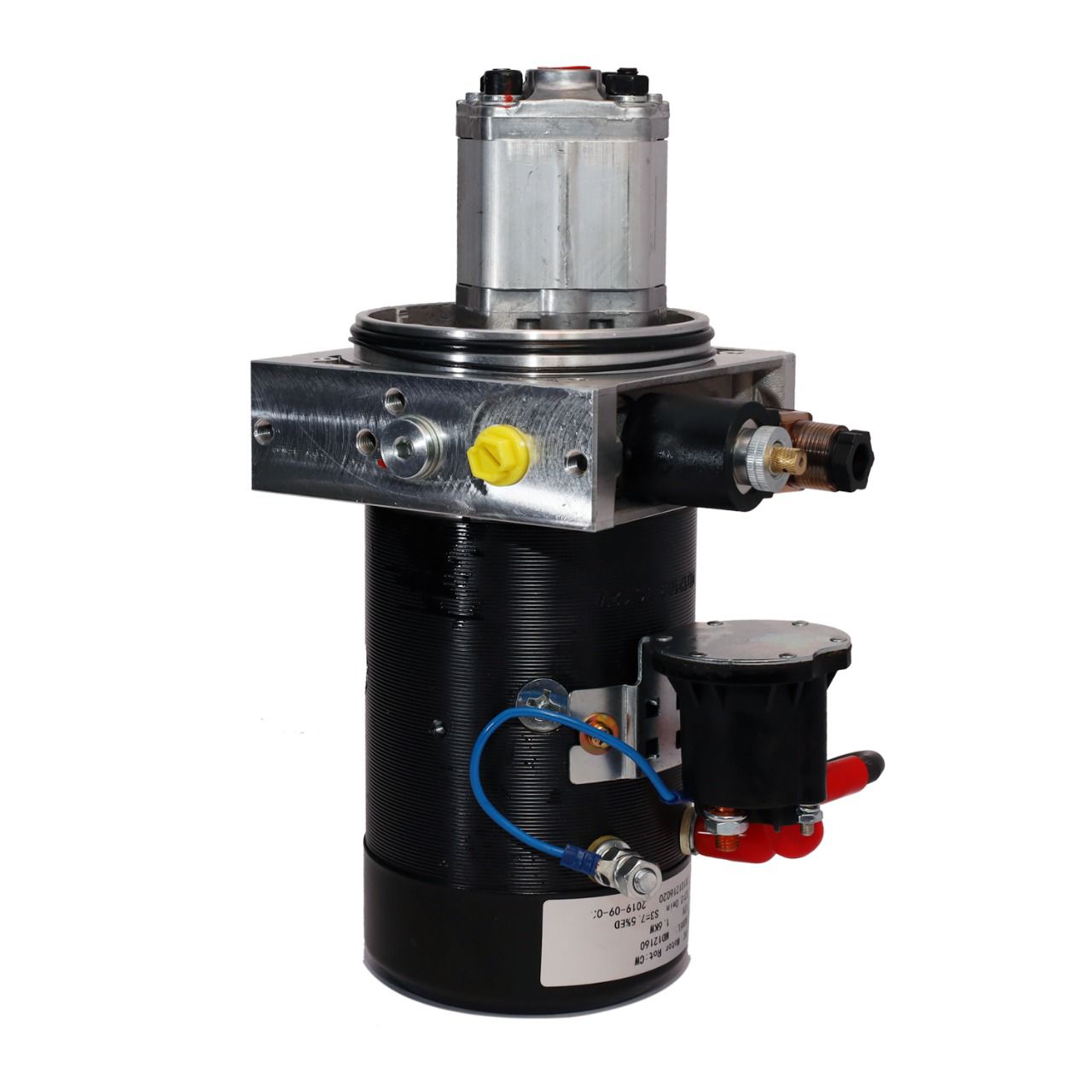
DC Power Pack is a compact, self-contained unit that supplies direct current (DC) power to hydraulic or electrical systems. It is commonly used in mobile and industrial applications where a reliable DC power source is required for actuating hydraulic cylinders, motors, and other equipment.
Key Components of a DC Power Pack
DC Electric Motor – Converts electrical energy into mechanical power to drive the hydraulic pump.
Hydraulic Pump – Generates hydraulic pressure to power actuators and other hydraulic components.
Reservoir/Tank – Stores hydraulic fluid for circulation within the system.
Control Valves – Regulate the flow and direction of hydraulic fluid.
Filters – Remove contaminants from the hydraulic fluid to maintain system efficiency.
Battery or External Power Source – Provides DC electrical energy to operate the motor.
Manifold Block – Houses various hydraulic control elements like relief valves and check valves.
Features of a DC Power Pack
Compact & Lightweight – Designed for easy installation in confined spaces.
Efficient Power Output – Provides high torque with low energy consumption.
Versatile Voltage Options – Available in 12V, 24V, 48V, and other DC voltage ratings.
Remote Operation – Can be controlled via wired or wireless remote systems.
Low Maintenance – Requires minimal upkeep compared to larger hydraulic systems.
Common Applications
Material Handling Equipment – Used in forklifts, scissor lifts, and hydraulic lifts.
Automotive & Truck Applications – Powers hydraulic tailgates, dump trucks, and trailers.
Industrial Automation – Supports presses, clamps, and compact hydraulic machinery.
Agricultural Equipment – Operates hydraulic functions in tractors and sprayers.
Marine & Off-Road Vehicles – Provides hydraulic power for winches, ramps, and steering systems.
Monoblock Valve: A Comprehensive Overview
A Monoblock valve is a type of hydraulic valve that is designed as a single, compact unit. It plays a crucial role in controlling the flow,
Design and Structure of a Monoblock Valve
The primary characteristic of a Monoblock valve is its monoblock construction, where multiple valve functions
Monoblock valves typically
Valve Body: The main housing that contains the valve’s internal components and channels. It is usually machined from a single piece of metal.
Control Spools or Ball Mechanisms: These components control the flow direction and the opening
Ports: The inlet and outlet ports that allow hydraulic fluid to enter and exit the valve. These ports are typically designed for high-pressure environments.
Spring or Actuator Mechanism: Some block valves are spring-loaded, while others use solenoids or hydraulic actuators to control the valve’s movement and function.
Seals and O-rings: These ensure that there are no leaks between the internal components, maintaining the integrity of the hydraulic fluid system.
Working Principle of a Monoblock Valve
Flow Control: The valve’s internal mechanism, such as a spool or ball,
Pressure Relief: Many monoblock valves include integrated pressure relief features.
Direction Control: Monoblock valves can also control the direction of fluid flow. For example, a directional control valve in a monoblock
Types of Monoblock Valves
Monoblock valves come in various types, each designed for specific tasks within a hydraulic system. The most common types include:
Directional Control Valves:
These valves control the direction of the hydraulic fluid. They are used to change the flow direction,
Flow Control Valves:
Flow control valves regulate the flow rate of the hydraulic fluid in a system. conditions.
Pressure Relief Valves:
These valves are designed to maintain a preset maximum pressure in the hydraulic system. When the system’s pressure exceeds the set limit,
Check Valves:
Check valves allow fluid to flow in one direction only,
Combination Valves:
Some monoblock valves combine multiple valve functions into a single unit, such as a directional control valve with built-in pressure relief and flow control.
Advantages of Monoblock Valves
Compact Design:
One of the primary advantages of Monoblock valves is their compact design. Since all components are integrated into a single unit,
Ease of Installation:
The single-unit design of Monoblock valves simplifies installation.
Cost-Effectiveness:
Monoblock valves are generally more cost-effective than traditional valves that require multiple parts.
Reduced Leak Points:
With fewer parts and integrated construction,
Improved Performance:
The integration of multiple valve functions into a single unit reduces the number of components that could potentially fail,
Applications of Monoblock Valves
Monoblock valves are used in a wide range of applications across various industries, including:
Construction Machinery:
Monoblock valves are used in construction equipment like excavators, loaders, and backhoes to control the movement of hydraulic cylinders and motors.
Agricultural Equipment:
In agriculture, Monoblock valves control the operation of hydraulic systems in tractors, combine harvesters, and other farm machinery.
Industrial Automation:
These valves are widely used in industrial machines and production lines for controlling fluid flow to actuators, which is essential in automation processes.
Mobile Equipment:
Monoblock valves are commonly found in mobile machinery like cranes, forklifts, and material handling systems, where they manage the hydraulic flow for various operations.
Automotive Systems:
Monoblock valves are used in automotive applications, such as power steering systems and lifting mechanisms in heavy-duty vehicles.
Conclusion
Monoblock valves are essential components in hydraulic systems, offering a compact, cost-effective, and reliable solution for controlling fluid flow, pressure, and direction. Their integrated design minimizes installation time
HDD (Horizontal Directional Drilling) valves are specialized components used in drilling operations to control fluid flow, pressure, and drilling mud circulation. These valves play a crucial role in managing the drilling process, ensuring efficient operation and preventing blowouts or fluid loss.
Types of HDD Valves:
Mud Valves – Control the flow of drilling mud, preventing blockages and ensuring smooth circulation.
Check Valves – Prevent backflow of fluids, protecting the drilling equipment from contamination or damage.
Gate Valves – Regulate or shut off fluid flow within the drilling system.
Relief Valves – Prevent overpressure situations by releasing excess pressure in the system.
Ball Valves – Provide quick on/off control of drilling fluids with minimal resistance.
Functions of HDD Valves:
Control drilling fluid pressure and flow.
Prevent drilling mud loss or contamination.
Ensure safe and efficient drilling operations.
Protect the downhole tools and pipeline from excessive pressure.
Hydraulic Control Valve
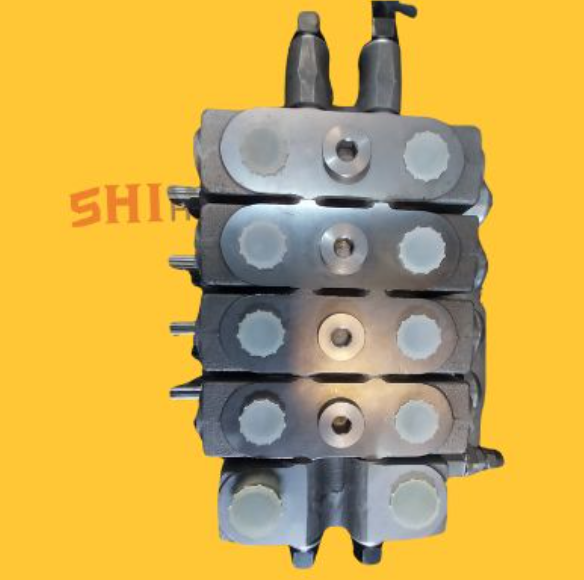
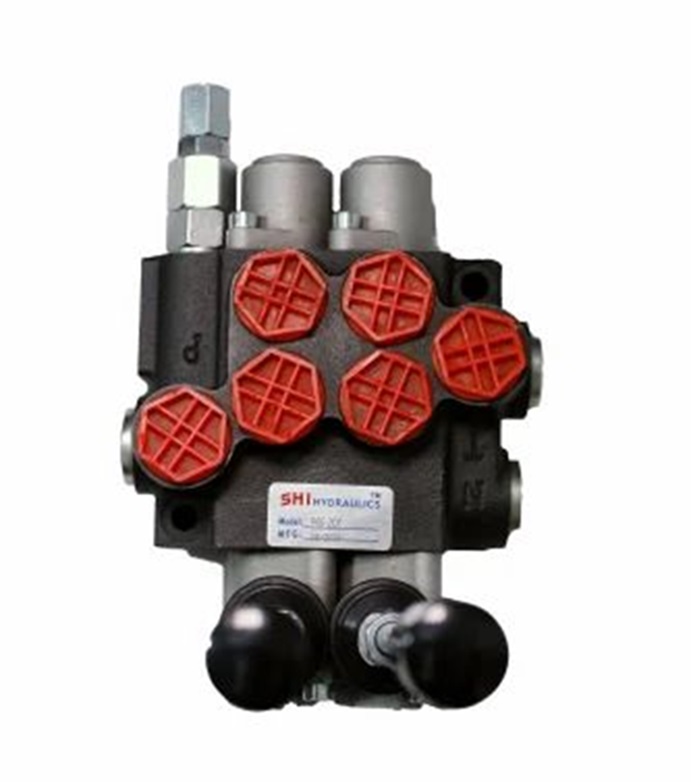
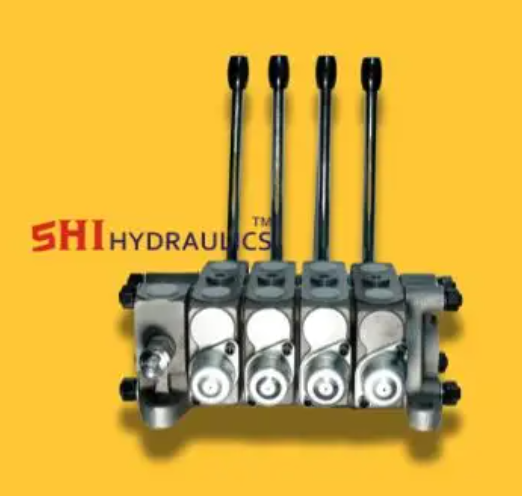
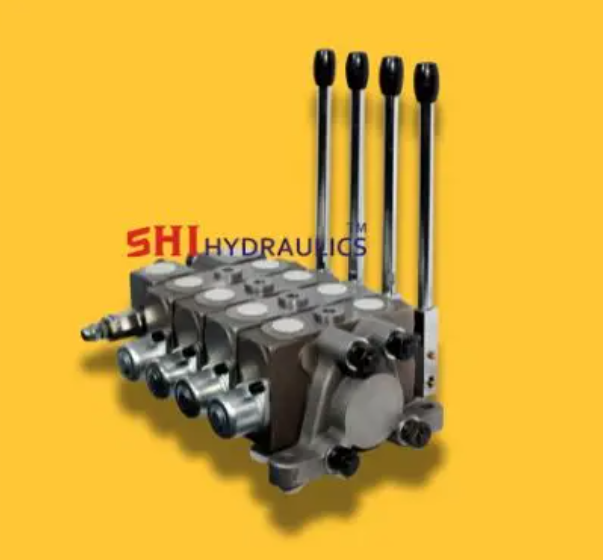
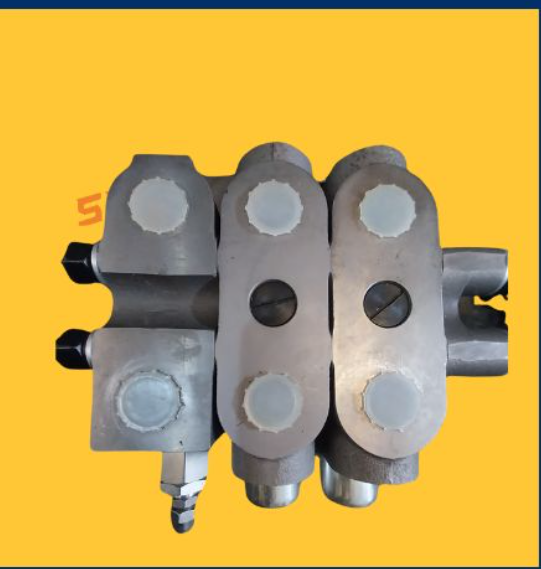
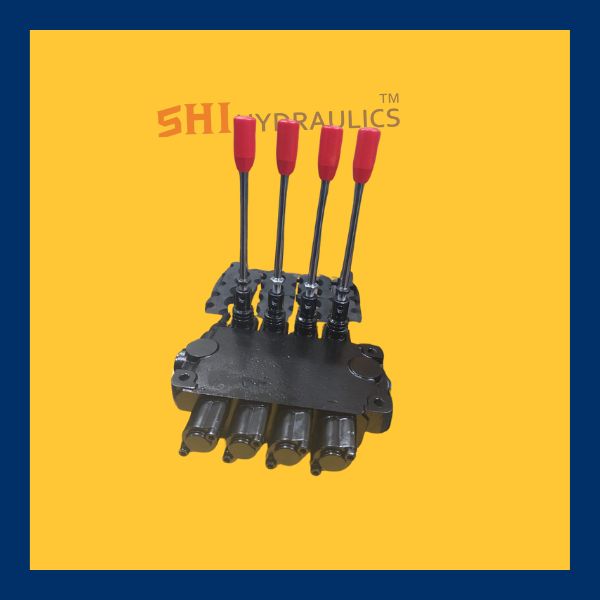
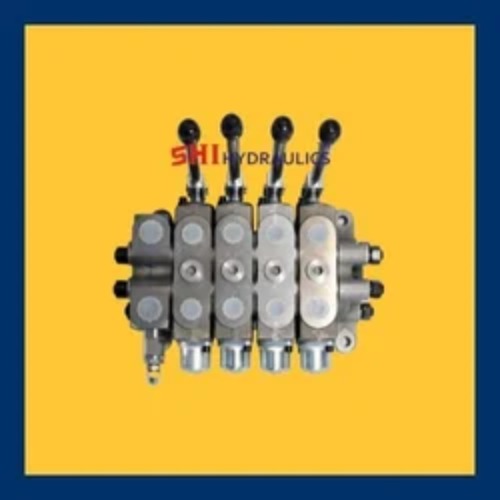
hydraulic control valve is a critical component used in hydraulic systems to control the direction, pressure, and flow rate of hydraulic fluid. The specific valve shown is a multi-spool directional control valve, typically used in mobile and industrial hydraulic equipment.
Key Features:
Multi-Spool Design: Allows independent control of multiple hydraulic functions (e.g., cylinders, motors).
Cast Iron Construction: Ensures durability, high pressure resistance, and a long service life.
Manual/Lever Operation: Operated via levers, which direct hydraulic fluid through different channels based on the spool position.
Pressure Relief Valves: Built-in safety features to protect the system from overpressure.
Multiple Ports: Clearly marked inlet (P), outlet (T), and work ports (A/B) for easy installation and maintenance.
Compact Form Factor: Space-saving design, ideal for mounting in confined areas.
Application: Widely used in agricultural machinery, construction equipment, loaders, cranes, and other mobile hydraulic applications.
Functionality:
Each spool within the valve corresponds to a hydraulic actuator. When a spool is moved, it opens specific internal channels, allowing hydraulic fluid to flow from the pump to a particular actuator, while returning fluid from other actuators back to the tank.
 Chat with us
 Chat with us