Thank you for writing to us. One of our executive will reach back to you through your submitted medium. In case there’s an urgency, feel free to connect over WhatsApp for faster response.
Prefer calling? Dial +9108045134631 (International callers) or 08045134631 (Indian callers).
Concrete Hose Description
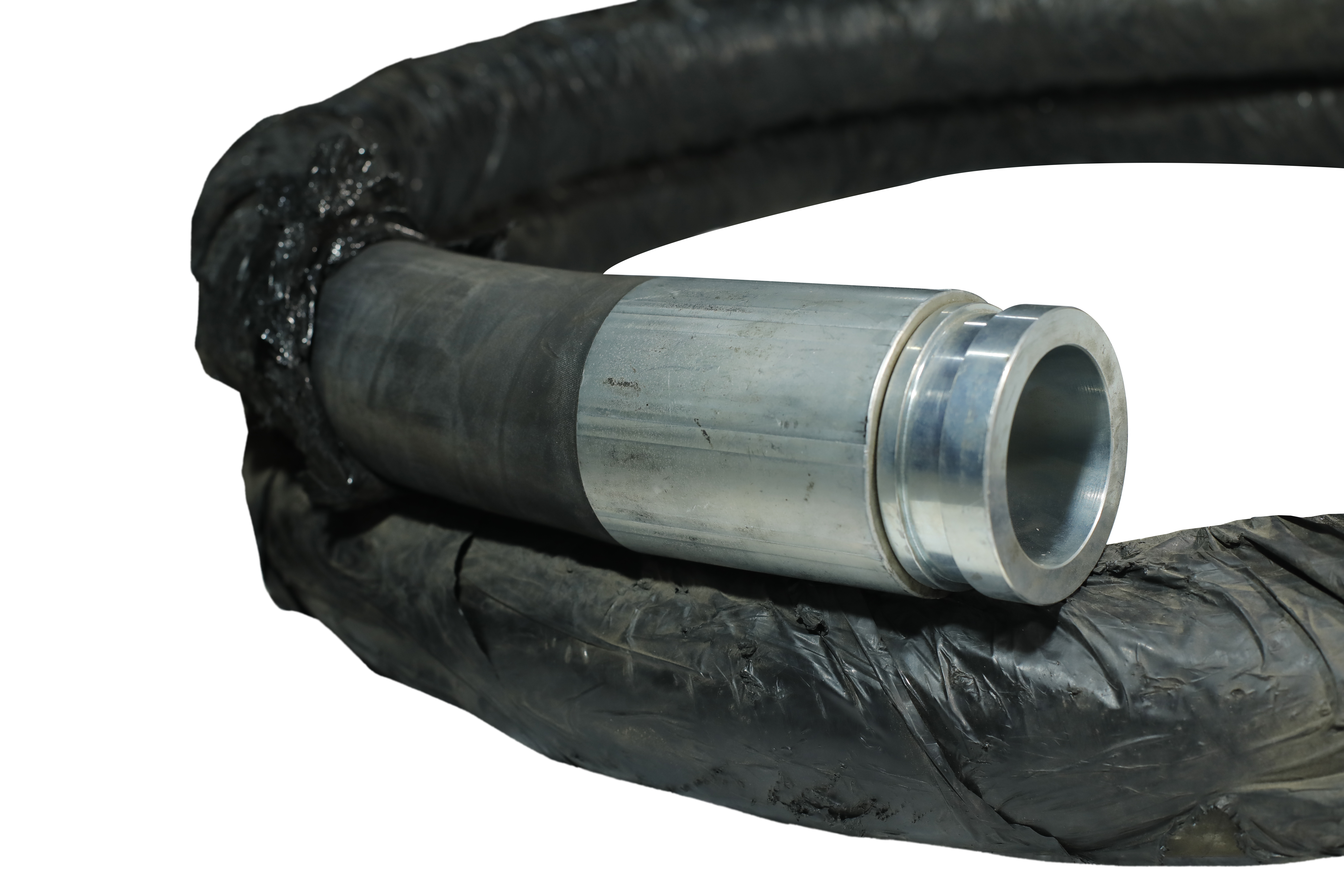
A concrete hose is a heavy-duty, flexible hose designed for transporting and placing concrete in construction projects. It is commonly used with concrete pumps to deliver wet concrete to hard-to-reach areas, such as high-rise buildings, foundations, and tunnels.
Features of a Concrete Hose
Durability – Made of reinforced rubber or synthetic materials to withstand high-pressure pumping and abrasive concrete mixtures.
Flexibility – Allows easy maneuverability around job sites for precise concrete placement.
High-Pressure Resistance – Designed to handle the high pressures generated by concrete pumps.
Abrasion Resistance – Inner lining is typically made of wear-resistant rubber to withstand continuous flow of rough materials.
Steel or Textile Reinforcement – Some hoses are reinforced with steel wire or textile braids for added strength and longevity.
Various Sizes and Lengths – Available in different diameters and lengths to suit different pumping applications.
Common Applications
Building Foundations – Used to deliver concrete to deep and narrow spaces.
High-Rise Construction – Essential for pumping concrete to upper floors.
Tunnels and Bridges – Helps in pouring concrete in challenging locations.
Road Construction – Used for pouring concrete in pavements and highways.
Interlock Flexible Hose Pipe at Sonu Hose Pipe
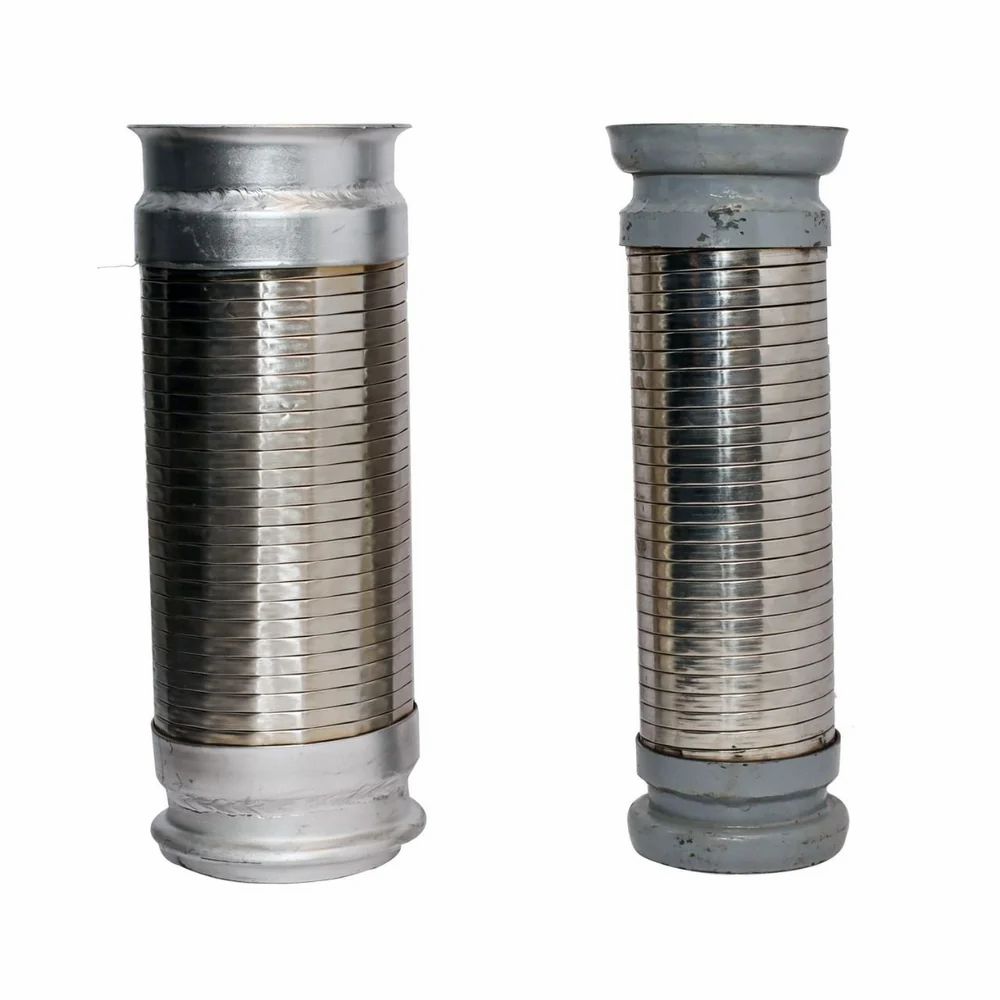
Overview: Sonu Hose Pipe offers a high-quality range of Interlock Flexible Hose Pipes, designed to provide exceptional flexibility, strength, and durability in a variety of fluid transfer applications. These hoses are constructed using advanced materials and technology to meet the demands of industries that require flexible, high-performance hoses for handling various types of liquids, gases, and powders. Known for their interlocking metal construction, Sonu’s interlock flexible hose pipes offer superior flexibility and resistance to external pressures, making them the perfect solution for complex and space-restricted applications.
Size/Diameter 3/4 inch
Material UPVC
Type Spray Hose Pipe
Length 10 m
Usage/Application Water
Is It Flexible Yes
Colour Silver
The Interlock Hoses are the helically coiled high quality metallic strip with interlock construction. These hoses are made using copper coated steel, aluminum and stainless steel in different sizes and specifications. The hoses are sturdy in construction and can bear temperature
Key Features:
Superior Flexibility: The interlocking design allows for enhanced flexibility, enabling the hose to bend and move easily, making it ideal for applications where flexibility and space-saving are crucial.
Durable Construction: Made from high-quality stainless steel, galvanized steel, or other robust materials, Sonu interlock flexible hoses are designed to withstand wear, abrasion, and harsh environmental conditions.
Corrosion and Abrasion Resistance: The materials used in the construction of these hoses are resistant to corrosion, abrasion, and weathering, ensuring long-lasting performance even in harsh conditions and challenging environments.
Compact and Lightweight: Despite their heavy-duty construction, interlock flexible hose pipes are lightweight and space-efficient, making them perfect for compact installations or areas with limited space.
Leak-Proof and Secure Connections: The interlocking design ensures that the hose remains securely connected, preventing leaks and ensuring smooth fluid transfer.
Wide Temperature Range: These hoses are designed to handle a broad range of temperatures, from extremely low to high temperatures, making them versatile for various industrial environments.
Types of Interlock Flexible Hose Pipes:
Standard Interlock Flexible Hoses: These hoses provide flexible solutions for a wide range of fluid transfer applications, offering excellent resistance to pressure and abrasion.
High-Pressure Interlock Hoses: Engineered to handle high-pressure conditions, these hoses are perfect for applications where fluids or gases need to be transferred at elevated pressures.
Heavy-Duty Interlock Hoses: Designed for tough industrial environments, these hoses are made with additional reinforcement to ensure maximum durability and performance in heavy-duty applications.
Chemical-Resistant Interlock Hoses: Specifically designed to transport aggressive chemicals, these hoses are resistant to corrosion from acids, alkalis, and other harsh chemicals, making them suitable for a variety of industrial processes.
Food-Grade Interlock Hoses: Constructed with materials that meet safety standards for the food and beverage industry, these hoses are ideal for transferring liquids in food processing plants, breweries, and dairies.
Customizable Interlock Hoses: Depending on your specific requirements, Sonu Hose Pipe offers custom options for diameter, length, and fittings to suit your unique application needs.
Applications:
Industrial Fluid Transfer: Interlock flexible hoses are commonly used in industrial applications for the transfer of various fluids, including water, chemicals, oils, and gases, ensuring safe and efficient movement through piping systems.
Automotive and Transport Systems: These hoses are used in automotive applications for transferring oil, coolant, and other fluids in engines, radiators, and other mechanical systems.
Food and Beverage Industry: Sonu interlock flexible hoses are widely used in the food and beverage sector for the transfer of liquids like milk, juice, beer, and other products, meeting strict hygiene and safety standards.
Pharmaceutical and Chemical Processing: These hoses are used in pharmaceutical and chemical industries for safely transporting chemicals, gases, and other hazardous substances, ensuring leak-proof operation and preventing contamination.
HVAC Systems: Interlock flexible hoses are used in HVAC (Heating, Ventilation, and Air Conditioning) systems for duct connections and fluid transfer between units, thanks to their flexibility and resistance to temperature fluctuations.
Oil and Gas Industry: In the oil and gas industry, these hoses are used for fluid transport in drilling operations, offshore platforms, and refineries, where pressure, durability, and flexibility are critical.
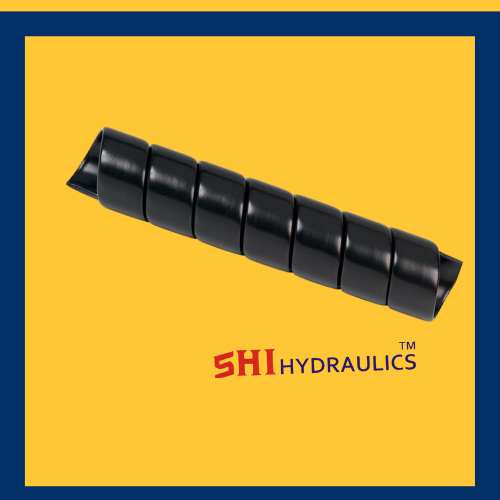
A hose sleeve is a protective covering designed to shield hoses from external damage, abrasion, heat, and environmental factors. It enhances the durability and safety of hydraulic, pneumatic, and industrial hoses used in various applications.
Key Features of a Hose Sleeve
Abrasion Resistance – Prevents wear and tear caused by friction, rough surfaces, or other hoses.
Heat Protection – Some sleeves are made of heat-resistant materials to protect hoses from extreme temperatures.
Flexibility – Allows hoses to bend and move while maintaining protection.
Chemical and UV Resistance – Shields hoses from chemicals, oil, water, and UV radiation.
Easy Installation – Can be wrapped around existing hoses or slid onto hoses during assembly.
Enhanced Safety – Helps prevent hose bursts, reducing the risk of injury and equipment damage.
Common Types of Hose Sleeves
Textile Hose Sleeves – Made from woven nylon or polyester for lightweight and flexible protection.
Spiral Hose Sleeves – Durable plastic or rubber spiral wrap for impact resistance and bundling multiple hoses.
Heat-Resistant Hose Sleeves – Fiberglass or silicone-coated sleeves for high-temperature applications.
Fire-Resistant Hose Sleeves – Designed to withstand fire and extreme heat exposure.
Common Applications
Hydraulic and Pneumatic Systems – Protects hoses in heavy machinery and industrial equipment.
Automotive and Aerospace – Used in fuel and brake lines to prevent abrasion and heat damage.
Construction and Agriculture – Shields hoses from harsh environments and debris.
Oil & Gas Industry – Protects high-pressure hoses from extreme conditions and chemicals.
Air Conditioning Hose
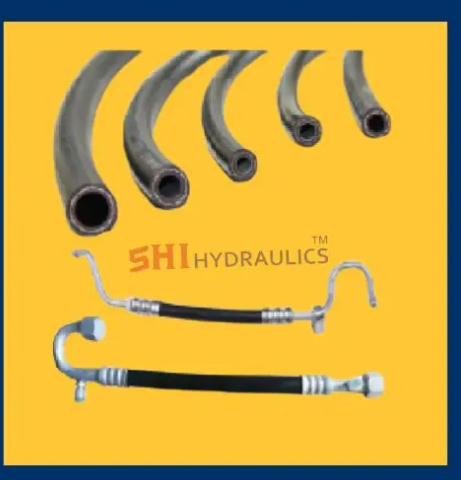
An air conditioning (AC) hose is an integral part of any vehicle or building’s air conditioning system, responsible for transporting refrigerant and ensuring the system operates effectively. Designed to handle high-pressure and high-temperature conditions, these hoses ensure the seamless circulation of refrigerant between the compressor, condenser, evaporator, and expansion valve.
This description delves into the features, types, materials, benefits, applications, and maintenance of air conditioning hoses, highlighting their importance in modern climate control systems.
Key Features of Air Conditioning Hoses
Durability
Constructed to withstand extreme pressures and temperatures, AC hoses are robust and reliable.
Flexibility
Flexible construction allows these hoses to be routed through tight and complex spaces without compromising performance.
Pressure Resistance
Designed to handle high refrigerant pressures, ensuring safe and efficient operation.
Chemical Compatibility
Resistant to refrigerants, oils, and other chemicals commonly used in AC systems.
Temperature Resistance
Capable of enduring both high and low temperatures, ensuring functionality in diverse climates.
Types of Air Conditioning Hoses
Barrier Hoses
Equipped with an inner layer that prevents refrigerant permeation, ensuring system efficiency and environmental compliance.
Non-Barrier Hoses
Older hose types without a permeation barrier, now less common due to stricter environmental regulations.
Reduced Barrier Hoses
Compact and lightweight, these hoses offer the same performance as barrier hoses while saving space and weight.
Rubber Hoses
Made from durable rubber compounds, often reinforced with braided fibers or steel for added strength.
Thermoplastic Hoses
Constructed from advanced polymers, providing excellent flexibility and resistance to refrigerants and heat.
Metal Braided Hoses
Feature a metal braid for enhanced durability in high-pressure applications.
Materials Used in Air Conditioning Hoses
Synthetic Rubber
Provides flexibility, durability, and resistance to refrigerants and oils.
Nylon or Polyester Barrier Layers
Prevent refrigerant leakage and improve system efficiency.
Reinforcement Layers
Braided fibers or steel reinforcement enhance strength and pressure resistance.
Outer Coverings
Protective layers shield the hose from abrasion, UV rays, and environmental wear.
Benefits of Air Conditioning Hoses
Efficient Refrigerant Flow
Ensures the proper circulation of refrigerant for optimal cooling performance.
System Longevity
Durable construction reduces wear and tear, extending the lifespan of the AC system.
Environmentally Friendly
Modern hoses minimize refrigerant leakage, reducing environmental impact.
Versatility
Compatible with a variety of refrigerants, including R-134a and newer eco-friendly options like R-1234yf.
Safety
Designed to handle high pressures, preventing system failures and ensuring safe operation.
 Chat with us
 Chat with us