Patna
08045135538
+919311288288

Items tagged with 'excavators loaders'

68179d65be22ee500d53ff54 Card 2

product image
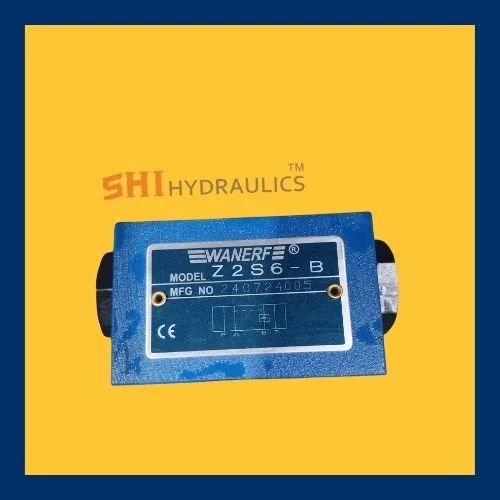
Control Valve

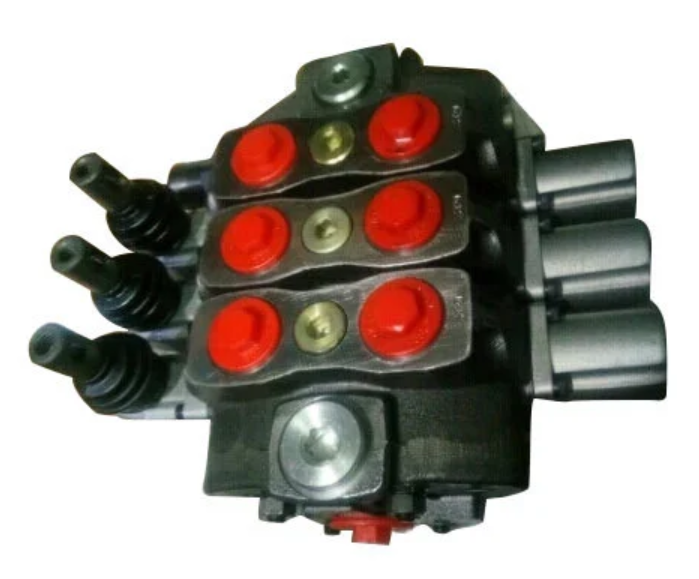
Wanref Control Valve at Sonu Hose Pipe Sonu Hose Pipe offers high-performance Wanref Control Valves, designed to deliver precise fluid control and enhance the operational efficiency of hydraulic and pneumatic systems. These advanced control valves are known for their exceptional reliability, durability, and versatility in regulating the flow and pressure of fluids in various applications. Whether used in industrial machinery, construction, or agricultural equipment, Wanref control valves from Sonu Hose Pipe are engineered to perform optimally even in the most demanding environments. It looks like you’re asking about a Waneref Control Valve, but I couldn’t find specific details on this brand or type. Could you clarify whether "Waneref" is a brand, model, or a specific type of control valve used in a particular application? If you're looking for general information on Control Valves, I can provide a detailed description covering their types, functions, applications, and benefits. Let me know how you'd like to proceed! Key Features: Precise Flow and Pressure Control: Wanref control valves are designed to provide fine control over fluid flow and pressure, ensuring that your systems operate efficiently and safely. Durable Construction: Manufactured using high-quality materials such as stainless steel, brass, and other corrosion-resistant alloys, these valves are built to withstand harsh conditions and high-pressure environments. Versatile Design: Wanref control valves are available in a wide range of configurations, offering flexibility to meet the specific requirements of various hydraulic and pneumatic systems. Leak-Free Performance: With high-quality seals and precision engineering, these valves prevent fluid leaks, contributing to greater system reliability and reducing the risk of fluid loss. High Pressure and Temperature Resistance: These control valves are designed to function optimally even under extreme pressure and temperature conditions, making them ideal for use in challenging environments. Compact and Efficient: Designed for ease of installation and maintenance, Wanref control valves have a compact footprint that helps conserve space without compromising on performance. Long-Lasting: With their robust design and durable materials, Wanref control valves provide long-term reliability and reduced maintenance costs. Types of Wanref Control Valves: Flow Control Valves: Used to regulate the flow of fluids in a hydraulic or pneumatic system, these valves help ensure that the correct amount of fluid reaches various components, enhancing system efficiency and preventing damage. Pressure Control Valves: These valves maintain a constant pressure level within the system by releasing excess pressure or restricting flow as necessary, preventing overpressure situations and protecting sensitive equipment. Directional Control Valves: Designed to control the direction of fluid flow, these valves are essential for managing the movement of fluids within a system, whether in a forward or reverse direction. Check Valves: Wanref check valves prevent backflow in a system, allowing fluid to flow in one direction only, which is crucial for maintaining the efficiency and integrity of hydraulic circuits. Ball and Gate Valves: Known for their reliable performance and ease of operation, ball and gate valves from Wanref are designed for fast and efficient opening and closing of fluid pathways in high-pressure systems. Applications: Industrial Machinery: Wanref control valves are essential for regulating the fluid flow in machines used in manufacturing, metalworking, and automation, ensuring smooth operation and system protection. Construction Equipment: In excavators, cranes, and loaders, these valves help control hydraulic fluid flow to various system components, optimizing the performance of construction machinery. Agricultural Equipment: Used in tractors, harvesters, and irrigation systems, Wanref control valves ensure that hydraulic systems operate efficiently and reliably during agricultural operations. Automotive & Transport: Wanref valves play a crucial role in hydraulic steering, braking systems, and suspension systems in vehicles, ensuring safe and efficient operation. Oil & Gas Industry: In exploration and drilling applications, Wanref control valves regulate the flow of drilling fluids, preventing overpressure and ensuring the smooth operation of equipment under high-stress conditions. Why Choose Sonu Hose Pipe Wanref Control Valves? Superior Performance: Sonu Hose Pipe’s Wanref control valves provide precision control, ensuring that your system operates at its peak efficiency, minimizing energy consumption and maximizing output. Exceptional Durability: Designed with the harshest conditions in mind, these valves are built to last, providing long-term reliability and minimizing the need for replacements or repairs.

68179d65be22ee500d53ff54 Card 2

product image
Control Valve

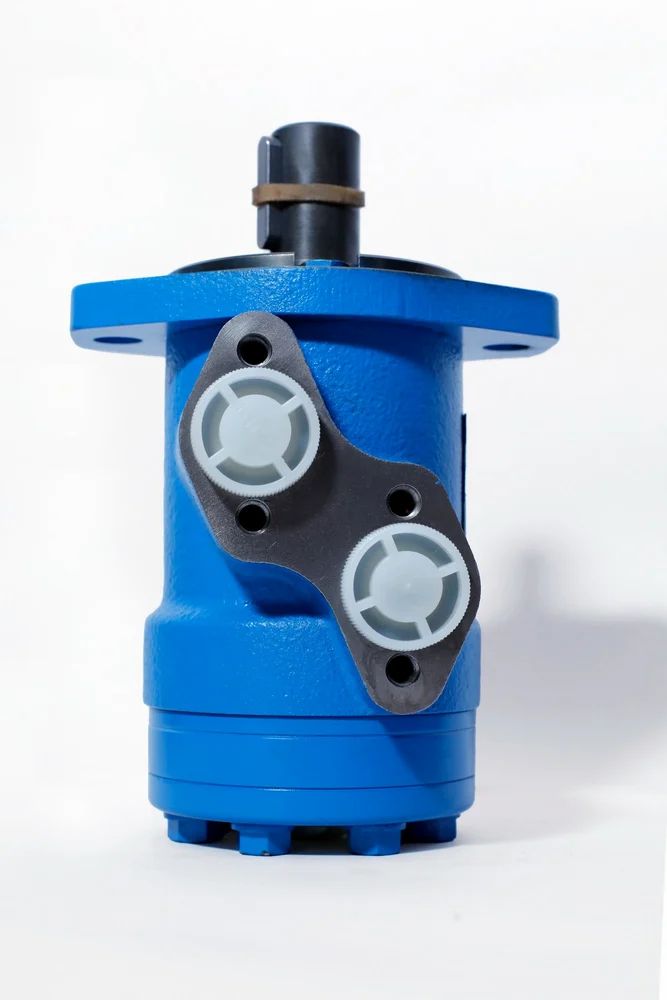
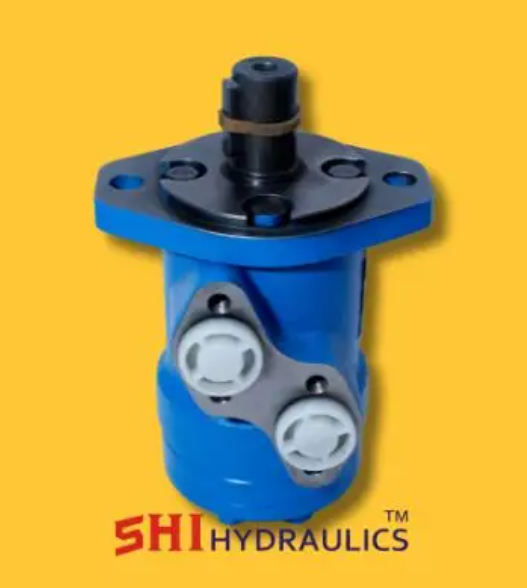
Orbit Hydraulic Motors Orbit Hydraulic Motors at Sonu Hose Pipe Overview: Sonu Hose Pipe offers high-performance Orbit Hydraulic Motors that provide reliable power for a wide variety of hydraulic applications. Our Orbit motors are designed to deliver smooth, efficient operation with high torque and compact design, making them ideal for industrial, construction, and agricultural machinery. These motors are engineered to perform in the toughest conditions, ensuring optimal performance and long-lasting reliability. Motor Speed 1000 RPM Type Hydraulic Motor Material Cast Iron Phase Single Phase Color Blue Voltage 230 V Frequency 50 Hz Usage/Application Industrial Brands: HDD Machine Fig 1: Hydraulic Motor Hydraulic motors are sophisticated mechanical devices that excel in converting the force of pressurised hydraulic fluids into both torque and angular movement, making them pivotal components in many industrial applications. These motors offer robust and precise performance, providing the driving force behind numerous hydraulic systems, from heavy machinery to automation processes, where their efficiency and reliability shine. 310 CC & 390 CC all. Key Features: Compact and Efficient: Orbit hydraulic motors are designed with a small, compact structure while maintaining high torque output, making them perfect for applications where space is limited. Smooth and Continuous Operation: These motors provide smooth, continuous, and efficient power transmission, ensuring consistent system performance even under heavy loads. High Torque at Low Speed: Orbit hydraulic motors are ideal for applications requiring high torque at low rotational speeds, offering superior control and power delivery. Durable Construction: Built with high-quality materials, these motors are highly resistant to wear and tear, ensuring durability and longevity in harsh environments. Flexible Mounting and Configuration: Available with various shaft options, mounting types, and pressure ratings, Sonu's Orbit hydraulic motors can be customized to suit specific application requirements. Low Maintenance: Thanks to their robust design, these motors are low-maintenance and offer long-term performance with minimal downtime. Types of Orbit Hydraulic Motors: Fixed Displacement Orbit Motors: These motors provide a fixed displacement per revolution and are ideal for simple applications where consistent speed and torque are required. Variable Displacement Orbit Motors: These motors allow you to vary the displacement, providing better flexibility and efficiency in systems where the flow and speed may need to adjust dynamically. Applications: Construction Equipment: Orbit motors are widely used in machines like skid steers, loaders, and excavators, providing power to various hydraulic systems such as steering, lifting, and digging operations. Agricultural Machinery: Orbit motors provide reliable power for agricultural equipment such as tractors, harvesters, and sprayers, enabling precise control over hydraulic functions. Material Handling: Power conveyors, winches, hoists, and lifts in material handling equipment, ensuring smooth operation even under load. Mining Equipment: Orbit motors are often used in mining machinery to power hydraulic systems that drive drilling and excavation operations. Marine and Offshore: Due to their compact size and high torque, Orbit motors are used in marine hydraulic systems, including steering mechanisms, winches, and other deck machinery.

68179d65be22ee500d53ff54 Card 2

product image
manufacturer and tools

Monoblock Valve: A Comprehensive Overview A Monoblock valve is a type of hydraulic valve that is designed as a single, compact unit. It plays a crucial role in controlling the flow, Design and Structure of a Monoblock Valve The primary characteristic of a Monoblock valve is its monoblock construction, where multiple valve functions Monoblock valves typically Valve Body: The main housing that contains the valve’s internal components and channels. It is usually machined from a single piece of metal. Control Spools or Ball Mechanisms: These components control the flow direction and the opening Ports: The inlet and outlet ports that allow hydraulic fluid to enter and exit the valve. These ports are typically designed for high-pressure environments. Spring or Actuator Mechanism: Some block valves are spring-loaded, while others use solenoids or hydraulic actuators to control the valve’s movement and function. Seals and O-rings: These ensure that there are no leaks between the internal components, maintaining the integrity of the hydraulic fluid system. Working Principle of a Monoblock Valve Flow Control: The valve’s internal mechanism, such as a spool or ball, Pressure Relief: Many monoblock valves include integrated pressure relief features. Direction Control: Monoblock valves can also control the direction of fluid flow. For example, a directional control valve in a monoblock Types of Monoblock Valves Monoblock valves come in various types, each designed for specific tasks within a hydraulic system. The most common types include: Directional Control Valves: These valves control the direction of the hydraulic fluid. They are used to change the flow direction, Flow Control Valves: Flow control valves regulate the flow rate of the hydraulic fluid in a system. conditions. Pressure Relief Valves: These valves are designed to maintain a preset maximum pressure in the hydraulic system. When the system’s pressure exceeds the set limit, Check Valves: Check valves allow fluid to flow in one direction only, Combination Valves: Some monoblock valves combine multiple valve functions into a single unit, such as a directional control valve with built-in pressure relief and flow control. Advantages of Monoblock Valves Compact Design: One of the primary advantages of Monoblock valves is their compact design. Since all components are integrated into a single unit, Ease of Installation: The single-unit design of Monoblock valves simplifies installation. Cost-Effectiveness: Monoblock valves are generally more cost-effective than traditional valves that require multiple parts. Reduced Leak Points: With fewer parts and integrated construction, Improved Performance: The integration of multiple valve functions into a single unit reduces the number of components that could potentially fail, Applications of Monoblock Valves Monoblock valves are used in a wide range of applications across various industries, including: Construction Machinery: Monoblock valves are used in construction equipment like excavators, loaders, and backhoes to control the movement of hydraulic cylinders and motors. Agricultural Equipment: In agriculture, Monoblock valves control the operation of hydraulic systems in tractors, combine harvesters, and other farm machinery. Industrial Automation: These valves are widely used in industrial machines and production lines for controlling fluid flow to actuators, which is essential in automation processes. Mobile Equipment: Monoblock valves are commonly found in mobile machinery like cranes, forklifts, and material handling systems, where they manage the hydraulic flow for various operations. Automotive Systems: Monoblock valves are used in automotive applications, such as power steering systems and lifting mechanisms in heavy-duty vehicles. Conclusion Monoblock valves are essential components in hydraulic systems, offering a compact, cost-effective, and reliable solution for controlling fluid flow, pressure, and direction. Their integrated design minimizes installation time

68179d65be22ee500d53ff54 Card 2

product image
manufacturer and tools

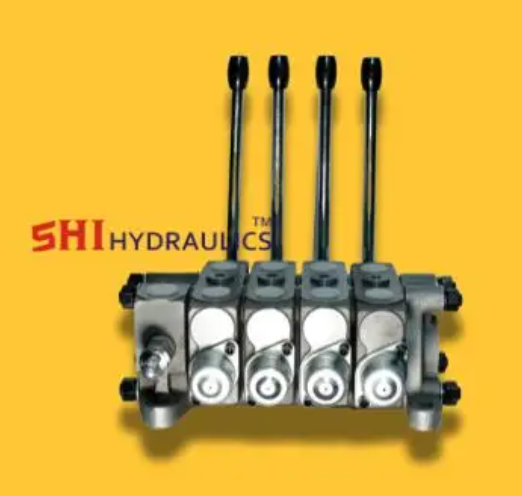
A sectional valve is a type of hydraulic control valve composed of multiple modular sections, allowing for independent control of multiple hydraulic functions within a system. It is widely used in mobile and industrial hydraulic applications, such as construction machinery, agricultural equipment, and material handling systems. Key Components of a Sectional Valve Main Valve Sections – Modular sections, each controlling a different hydraulic function. Inlet Section – Directs hydraulic fluid into the valve assembly from the pump. Spools – Move within the sections to regulate fluid flow and direction. Outlet Section – Returns excess hydraulic fluid to the reservoir. Pressure Relief Valve – Protects the system by preventing overpressure. Actuators (Manual, Electric, or Hydraulic) – Operate the spools to control fluid movement. Features of a Sectional Valve Modular Design – Can be expanded by adding or removing sections based on system needs. Independent Function Control – Each section operates a separate hydraulic circuit. Durable Construction – Made from high-strength materials for long-lasting performance. Customizable Flow and Pressure Settings – Adjustable to meet specific hydraulic requirements. Compact and Space-Saving – Ideal for systems with multiple hydraulic operations. Common Applications Construction Machinery – Used in excavators, loaders, and cranes for controlling multiple hydraulic movements. Agricultural Equipment – Powers hydraulic functions in tractors, harvesters, and sprayers. Material Handling – Operates hydraulic lifts, forklifts, and conveyor systems. Municipal Vehicles – Controls hydraulic functions in garbage trucks, fire trucks, and snow plows.

68179d65be22ee500d53ff54 Card 2

product image
manufacturer and tools

Hydraulics Motors Hydraulics Motors is a mechanical actuator that converts hydraulic energy (fluid power) into rotational mechanical energy. It is part of the broader category of hydraulic machinery used in a variety of industrial applications, from manufacturing to construction, where rotary motion is required. Hydraulic motors are powered by pressurized hydraulic fluid supplied by a pump, and they are capable of generating high torque at low speeds, making them essential for demanding tasks The hydraulic motors operates on the principle of fluid power, which involves the use of pressurized fluid to generate motion. A hydraulic consists of an enclosed rotor or shaft connected to gears, pistons, or other mechanical components, Pressurized Fluid Inflow: The hydraulic pump sends pressurized fluid to the hydraulic through an inlet port. Rotational Motion: As the fluid enters the it pushes against the internal components (such as gears or pistons), causing the rotor or shaft to rotate. Exhaust Flow: Once the fluid has passed through the , it exits via an outlet port, typically at a lower pressure than it entered. The rotational speed and torque output of the are determined by the pressure of the fluid and the design of the motor itself. Hydraulic motors can produce high Types There are several types of hydraulic motors, each designed for specific applications and performance requirements. These include: Gear: External Gear These consist of two meshed gears that rotate to generate torque. The fluid is directed between the gears, causing them to spin. Internal Gear : These have a smaller gear rotating inside a larger gear. They are more efficient than external gear motors and are capable of producing higher torque output. Vane These use sliding vanes mounted on a rotor to create pressure chambers as the spins. The vanes push against the walls of the housing, generating rotational motion. V Piston : Axial Piston : In these motors, pistons are arranged parallel to the shaft and move back and forth. The fluid forces the pistons to generate motion along the shaft. Radial Piston Here, the pistons are arranged radially around the motor shaft. These motors are known for their ability to generate high torque at lower speeds, Rotary Vane These motors consist of a rotor and vanes that slide in and out to create pressurized chambers. The chambers drive the motor’s Applications Construction Machinery: Hydraulic motors are integral to the operation of equipment like excavators, cranes, bulldozers, and wheel loaders, Agriculture: These motors drive implements such as augers, Marine and Offshore: Hydraulic motors are used to power winches, thrusters, and other machinery in marine vessels and offshore oil rigs. Industrial Automation: Automotive: In automotive applications, hydraulic motors are used in systems such as steering, lifting equipment, or as part High Torque at Low Speeds: Efficiency: Compact Design: Durability and Reliability: T Precise Control: Leakage and Fluid Loss: Noise and Heat Generation: Maintenance: Sensitivity to Contaminants: Vane motors use a rotor with sliding vanes that are forced outward by centrifugal force as the rotor turns. The vanes create pressurized chambers, which generate rotational motion. Vane motors are known for smooth operation and high efficiency, particularly at low speeds, and are often used in applications where quiet and steady performance is required. Axial Piston Motors: These motors have pistons arranged parallel to the motor shaft. As hydraulic fluid forces the pistons to move back and forth, it causes the motor shaft to rotate.

68179d65be22ee500d53ff54 Card 2

product image
manufacturer and tools

Monoblock Valve: A Comprehensive Overview A Monoblock valve is a type of hydraulic valve that is designed as a single, compact unit. It plays a crucial role in controlling the flow, Design and Structure of a Monoblock Valve The primary characteristic of a Monoblock valve is its monoblock construction, where multiple valve functions Monoblock valves typically Valve Body: The main housing that contains the valve’s internal components and channels. It is usually machined from a single piece of metal. Control Spools or Ball Mechanisms: These components control the flow direction and the opening Ports: The inlet and outlet ports that allow hydraulic fluid to enter and exit the valve. These ports are typically designed for high-pressure environments. Spring or Actuator Mechanism: Some block valves are spring-loaded, while others use solenoids or hydraulic actuators to control the valve’s movement and function. Seals and O-rings: These ensure that there are no leaks between the internal components, maintaining the integrity of the hydraulic fluid system. Working Principle of a Monoblock Valve Flow Control: The valve’s internal mechanism, such as a spool or ball, Pressure Relief: Many monoblock valves include integrated pressure relief features. Direction Control: Monoblock valves can also control the direction of fluid flow. For example, a directional control valve in a monoblock Types of Monoblock Valves Monoblock valves come in various types, each designed for specific tasks within a hydraulic system. The most common types include: Directional Control Valves: These valves control the direction of the hydraulic fluid. They are used to change the flow direction, Flow Control Valves: Flow control valves regulate the flow rate of the hydraulic fluid in a system. conditions. Pressure Relief Valves: These valves are designed to maintain a preset maximum pressure in the hydraulic system. When the system’s pressure exceeds the set limit, Check Valves: Check valves allow fluid to flow in one direction only, Combination Valves: Some monoblock valves combine multiple valve functions into a single unit, such as a directional control valve with built-in pressure relief and flow control. Advantages of Monoblock Valves Compact Design: One of the primary advantages of Monoblock valves is their compact design. Since all components are integrated into a single unit, Ease of Installation: The single-unit design of Monoblock valves simplifies installation. Cost-Effectiveness: Monoblock valves are generally more cost-effective than traditional valves that require multiple parts. Reduced Leak Points: With fewer parts and integrated construction, Improved Performance: The integration of multiple valve functions into a single unit reduces the number of components that could potentially fail, Applications of Monoblock Valves Monoblock valves are used in a wide range of applications across various industries, including: Construction Machinery: Monoblock valves are used in construction equipment like excavators, loaders, and backhoes to control the movement of hydraulic cylinders and motors. Agricultural Equipment: In agriculture, Monoblock valves control the operation of hydraulic systems in tractors, combine harvesters, and other farm machinery. Industrial Automation: These valves are widely used in industrial machines and production lines for controlling fluid flow to actuators, which is essential in automation processes. Mobile Equipment: Monoblock valves are commonly found in mobile machinery like cranes, forklifts, and material handling systems, where they manage the hydraulic flow for various operations. Automotive Systems: Monoblock valves are used in automotive applications, such as power steering systems and lifting mechanisms in heavy-duty vehicles. Conclusion Monoblock valves are essential components in hydraulic systems, offering a compact, cost-effective, and reliable solution for controlling fluid flow, pressure, and direction. Their integrated design minimizes installation time

68179d65be22ee500d53ff54 Card 2

product image
manufacturer and tools

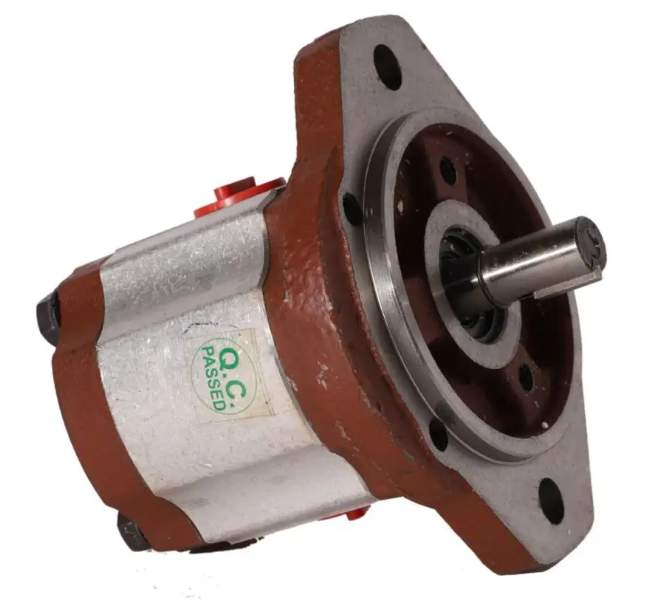
Hydraulic Gear Pump Model 6006: An Overview The Hydraulic Pump Model 6006 is a specific model of hydraulic pump designed for industrial applications, where high efficiency, reliability, and precision are essential. Hydraulic pumps are commonly used to transfer fluids under pressure, converting mechanical energy into hydraulic energy. Basic Design and Operation The Hydraulic Gear Pump Model 6006 is a type of positive displacement pump that operates by using the meshing of gears to move hydraulic fluid. I The 6006 model operates as follows: Inlet Fluid: Hydraulic fluid enters the pump through an inlet port. The gears rotate, and the fluid is trapped between the teeth. Fluid Movement: As the gears continue rotating, they push the trapped fluid along the sides of the gears, from the inlet side to the discharge side. Discharge Fluid: The fluid exits the pump through an outlet port at high pressure, which is used to power various parts of a hydraulic system. These gears rotate within a pump casing, creating a continuous flow of fluid . Key Features of the Hydraulic Pump Model 6006 The Hydraulic Gear Pump Model 6006 is designed for versatility and high performance. Some of its key features include: High Efficiency: The 6006 pump is built to minimize energy loss during operation, making it a highly efficient option for hydraulic systems. Durability and Reliability: The model 6006 is designed for heavy-duty use in industrial applications. Compact Design: The 6006 model has a relatively compact design, making it suitable for use in applications where space is limited. Versatility: The model is adaptable to various fluids, including oils and synthetic fluids, which allows it to be used in diverse applications. I Pressure and Flow Control: The 6006 gear pump is designed to provide stable flow rates under different pressure conditions. The flow rate is primarily determined by the speed at which the gears rotate, Applications of the Hydraulic Pump Model 6006 The Hydraulic Gear Pump Model 6006 is commonly used in various sectors where in efficient hydraulic fluid transfer is needed. Its applications include: Construction Equipment: The 6006 gear pump is widely used in construction machinery such as excavators, loaders, and bulldozers, Agricultural Machinery: Automotive and Commercial Vehicles: The 6006 model is used in hydraulic systems for power steering, braking systems, Industrial Applications: Marine Applications: Hydraulic systems in marine vessels often use gear pumps like the 6006 to power steering mechanisms, Advantages of the Hydraulic Model 6006 Consistent Flow: One of the primary advantages of the 6006 model is its ability to provide a continuous and stable flow of hydraulic fluid, Low Maintenance: Due to its robust design and minimal wear and tear, the 6006 gear pump requires relatively low maintenance compared to other types of pumps. Cost-Effective: The model 6006 provides excellent performance without the high cost of more complex pump designs, making it a cost-effective option for many applications. Precision and Control: The pump provides precise control of the fluid flow, which is necessary for applications where accuracy and stability are critical. Limitations of the Hydraulic Pump Model 6006 Noise and Vibration: Like most gear pumps, the 6006 model can produce noise and vibration during operation, especially at higher speeds. Fluid Contamination Sensitivity: Limited Suction Capability: Gear pumps, including the 6006 model, are typically not in high suction power. Conclusion The Hydraulic Gear Pump Model 6006 is an efficient, durable, and versatile pump designed to handle a wide range of industrial applications.

68179d65be22ee500d53ff54 Card 2

product image
manufacturer and tools

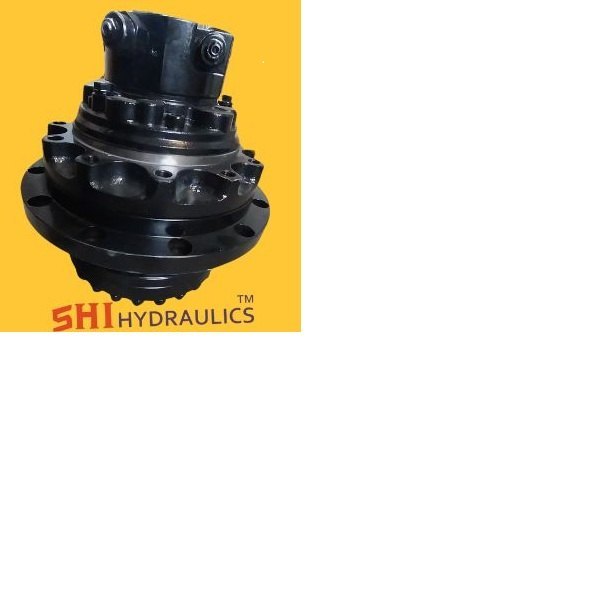
HDD Track Motor' likely refers to the track drive motor used in Horizontal Directional Drilling (HDD) machines. These motors are essential components for crawler-type HDD rigs that move on tracks like excavators or bulldozers. Here’s a breakdown of what it typically includes: �� HDD Track Motor – Overview �� Function: Powers the caterpillar tracks (undercarriage) of an HDD rig. Allows the rig to move across job sites, especially in rough terrain. Usually hydraulically driven, controlled via the machine's onboard system. ⚙️ Components: Hydraulic Motor: Converts hydraulic fluid pressure into mechanical torque. Usually a radial piston or orbital motor for high torque at low speed. Planetary Gearbox: Reduces speed and increases torque output. Designed for heavy-duty use in mobile machinery. Brake System: Often a built-in spring-applied, hydraulically released brake. Prevents movement when the machine is idle or off. Mounting Flange & Sprocket: Connects directly to the track sprocket, enabling motion transfer to tracks. ✅ Key Features: High torque output Compact design for integration into the track frame Sealed and weather-resistant for outdoor use Built for shock loads and heavy-duty cycles �� Applications: Horizontal Directional Drilling Rigs (Vermeer, Ditch Witch, etc.) Pipeline and trenchless installations Other crawler-based construction machinery �� Specifications (typical range): Spec Value Flow Rate 60–200 L/min Max Pressure 300–450 bar Torque 3000–15000 Nm Speed Range 0–50 RPM If you need: A part number cross-reference (for a brand like Vermeer or Ditch Witch) A spare parts diagram Hydraulic circuit showing the track motor's role Or help identifying one from a machine

68179d65be22ee500d53ff54 Card 2

product image
manufacturer and tools

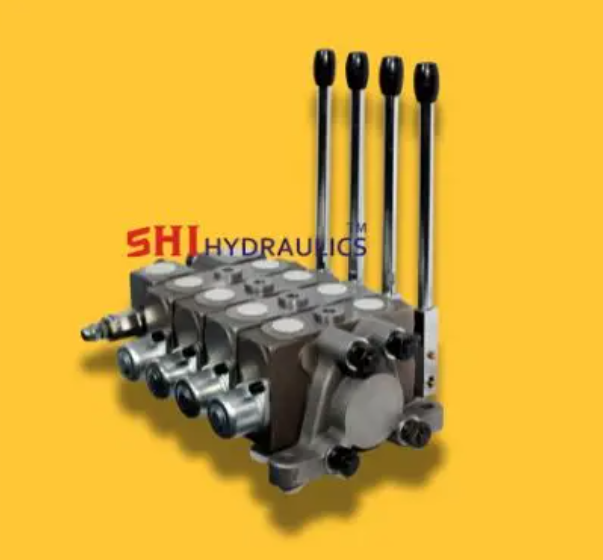
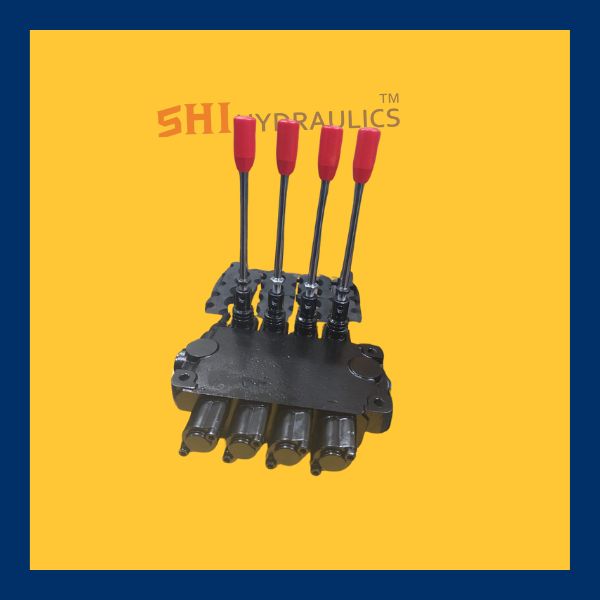
Hydraulic Control Valve hydraulic control valve is a critical component used in hydraulic systems to control the direction, pressure, and flow rate of hydraulic fluid. The specific valve shown is a multi-spool directional control valve, typically used in mobile and industrial hydraulic equipment. Key Features: Multi-Spool Design: Allows independent control of multiple hydraulic functions (e.g., cylinders, motors). Cast Iron Construction: Ensures durability, high pressure resistance, and a long service life. Manual/Lever Operation: Operated via levers, which direct hydraulic fluid through different channels based on the spool position. Pressure Relief Valves: Built-in safety features to protect the system from overpressure. Multiple Ports: Clearly marked inlet (P), outlet (T), and work ports (A/B) for easy installation and maintenance. Compact Form Factor: Space-saving design, ideal for mounting in confined areas. Application: Widely used in agricultural machinery, construction equipment, loaders, cranes, and other mobile hydraulic applications. Functionality: Each spool within the valve corresponds to a hydraulic actuator. When a spool is moved, it opens specific internal channels, allowing hydraulic fluid to flow from the pump to a particular actuator, while returning fluid from other actuators back to the tank.

Still searching for
excavators loaders?