Thank you for writing to us. One of our executive will reach back to you through your submitted medium. In case there’s an urgency, feel free to connect over WhatsApp for faster response.
Prefer calling? Dial +919311288288 (International callers) or +919311288288 (Indian callers).
Horizontal Directional Drilling (HDD) Mud Motors, essential tools for drilling through hard rock formations:
ZH HDD Tooling Mud Motor: Designed for HDD applications, this mud motor efficiently converts hydraulic energy into mechanical rotation, enabling effective drilling in solid rock formations.
StraightLine® HDD Mud Motor: This mud motor features a robust bearing section and is engineered for high torque and slow-speed operation, enhancing bit life and drilling efficiency.
XCMG 5LZ165x7.0 Mud Motor: Specifically designed for XCMG HDD rigs, this mud motor is suitable for complex formations and hard rock drilling. It includes a cavity probe and teeth drill bits, making it versatile for various drilling conditions.
Galip Equipment Mud Motor: Built to handle challenging drilling environments, this mud motor is designed to combat sediment and sand risks during HDD operations.
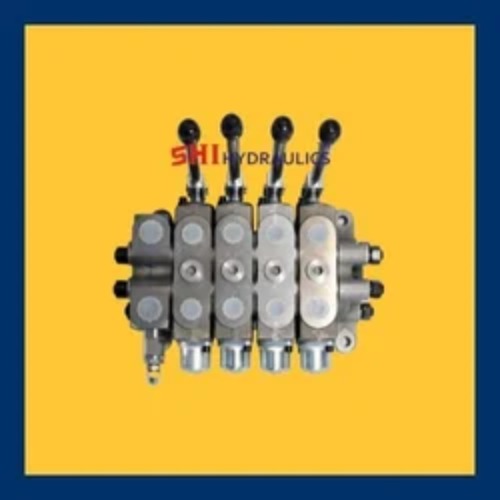
HDD Control Valves Control valves** in HDD rigs manage the direction, flow rate, and pressure of hydraulic fluids powering various components, such as:
Thrust/pullback systems
Drill rotation motors
Clamp/vise actuators
Pipe loader arms
Mud pump drive systems
They can be manual, pilot-operated, or electro-hydraulic depending on system complexity.
�� 2. Types of Valves Used in HDD Systems
Valve Type Function Common Placement
Directional Control Valve (DCV) Directs flow to actuators (e.g. extend/retract cylinders) Main hydraulic circuits
Flow Control Valve Regulates speed of actuators by limiting flow Rotation/thrust speed adjustment
Pressure Relief Valve Protects system from overpressure Inline with all major circuits
Pilot-Operated Check Valve Locks actuators in place under load Clamp and rotation holding systems
Solenoid Valve Electrically controlled valve for automated function Remote or onboard controls
Load-Sensing Valve Adjusts flow based on demand, improving efficiency Advanced HDD rigs
⚙️ 3. Features:
High pressure handling (up to 5000 psi / 350 bar)
Compact modular manifolds for integrated control
Stackable for space-efficient designs
Available in cartridge or monoblock forms
Options for manual levers, electric joystick, or remote radio control
�� 4. Specifications (Typical):
Spec Value
Flow Rate 20–150 L/min
Pressure 210–420 bar (3000–6000 psi)
Ports BSP, NPT, or SAE
Control Manual, electric, or hydraulic pilot
Material Steel or cast iron (plated for corrosion resistance)
�� 5. Brands Used in HDD Machines:
Rexroth (Bosch)
Parker Hannifin
Hydac
Sun Hydraulics
Danfoss / Eaton
Walvoil, Yuken, and Atos
�� 6. Applications in HDD Rigs:
System Valve Role
Thrust/Pullback Directional & flow control for hydraulic cylinders
Rotation Drive Speed & torque control via flow/pressure regulation
Clamp/Vise Check valves to hold position under load
Rod Loader Directional valves for actuator motion
Drill Head Steering Fine pressure and flow adjustments for steering nozzles
�� 7. Maintenance & Troubleshooting:
Regularly inspect for leakage, spool stickiness, or overheating
Ensure filters are clean to avoid contamination wear
Check for correct voltage on solenoid coils
Use diagnostic tools to monitor pilot pressure and feedback
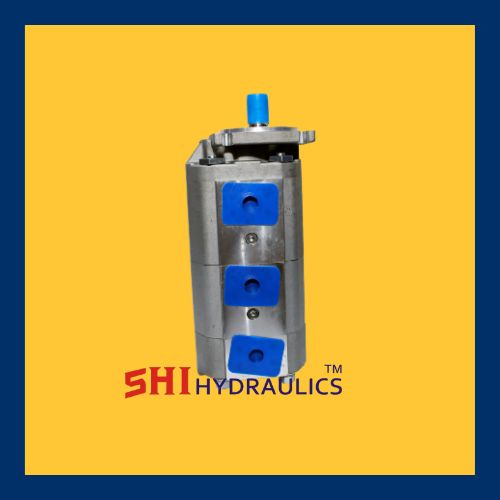
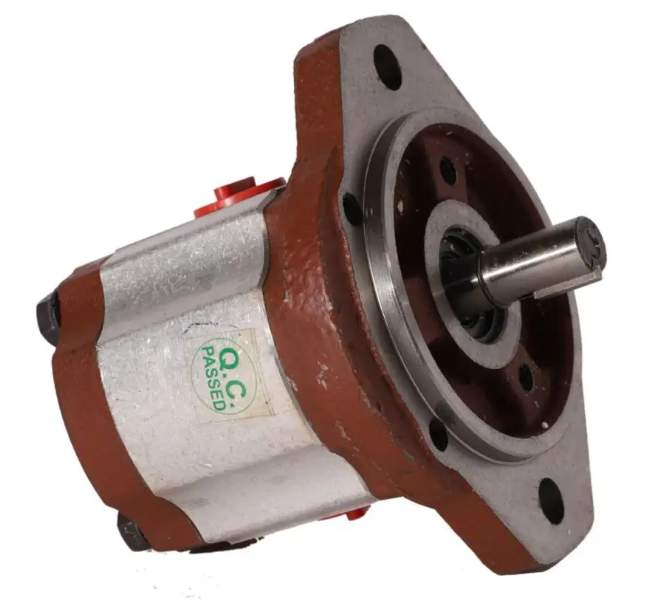
HDD Gear Pump, which is a critical component in Horizontal Directional Drilling (HDD) rigs for powering hydraulic circuits.
⚙️ HDD Gear Pump �� 1. What is an HDD Gear Pump?
An HDD Gear Pump is a hydraulic pump that uses the meshing of gears to pump hydraulic fluid through the system. It's used in HDD rigs to drive key hydraulic functions like:
Thrust/Pullback
Drill head rotation
Clamp and vise control
Pipe loader arm
Mud pump drive
These pumps are chosen for their reliability, simplicity, and high-pressure capability.
�� 2. Construction Details:
Component Material Function
Housing Cast iron or aluminum Contains the gear assembly
Gears Steel (surface-hardened) Create suction/discharge action
Bearings/Bushings Bronze or anti-friction steel Support rotating gears
Seals/O-rings Nitrile or Viton Prevent internal & external leakage
⚙️ 3. Working Principle:
Two gears (driving and driven) rotate inside the housing.
Fluid is drawn into the pump at the inlet, carried around the gear teeth in chambers, and pushed out through the outlet.
The tight clearances between components prevent backflow.
�� 4. Technical Specifications:
Parameter Typical Range
Flow Rate 10–150 L/min (2.5–40 GPM)
Working Pressure 150–300 bar (2200–4500 psi)
Displacement 5–60 cc/rev
Speed Range 1000–3500 RPM
Temperature Range -20°C to +100°C
Mounting SAE flange, European standard (2 or 4-bolt)
Drive Keyed shaft or spline
��️ 5. Features & Benefits:
High volumetric efficiency
Simple and robust design
Compact size and easy mounting
Suitable for continuous duty cycles
Low maintenance compared to piston pumps
Handles dirty or abrasive hydraulic oils better than more complex pumps
�� 6. Common Applications in HDD Rigs:
System Pump Role
Drill rotation Powering hydraulic motors for the drill head
Pullback/thrust Moving hydraulic cylinders for pushing/pulling rods
Clamp/Vise system Opening and closing the pipe holder
Mud mixing or pumping (auxiliary) Powering hydraulic-driven mud pumps
�� 7. Top Brands & Models:
Parker Gear Pumps (PGP series)
Eaton/Char-Lynn
Casappa (Kappa or Polaris series)
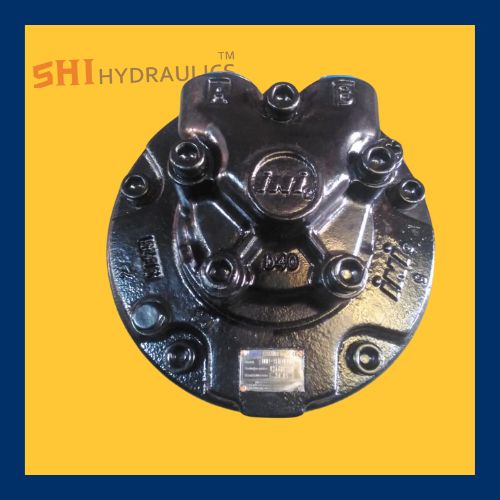
�� HDD Track Motor – Overview�� Function:
Powers the caterpillar tracks (undercarriage) of an HDD rig.
Allows the rig to move across job sites, especially in rough terrain.
Usually hydraulically driven, controlled via the machine's onboard system.
⚙️ Components:
Hydraulic Motor:
Converts hydraulic fluid pressure into mechanical torque.
Usually a radial piston or orbital motor for high torque at low speed.
Planetary Gearbox:
Reduces speed and increases torque output.
Designed for heavy-duty use in mobile machinery.
Brake System:
Often a built-in spring-applied, hydraulically released brake.
Prevents movement when the machine is idle or off.
Mounting Flange & Sprocket:
Connects directly to the track sprocket, enabling motion transfer to tracks.
✅ Key Features:
High torque output
Compact design for integration into the track frame
Sealed and weather-resistant for outdoor use
Built for shock loads and heavy-duty cycles
�� Applications:
Horizontal Directional Drilling Rigs (Vermeer, Ditch Witch, etc.)
Pipeline and trenchless installations
Other crawler-based construction machinery
�� Specifications (typical range):
Spec Value
Flow Rate 60–200 L/min
Max Pressure 300–450 bar
Torque 3000–15000 Nm
Speed Range 0–50 RPM
If you need:
A part number cross-reference (for a brand like Vermeer or Ditch Witch)
A spare parts diagram
Hydraulic circuit showing the track motor's role
Or help identifying one from a machine
Interlock Flexible Hose Pipe at Sonu Hose Pipe
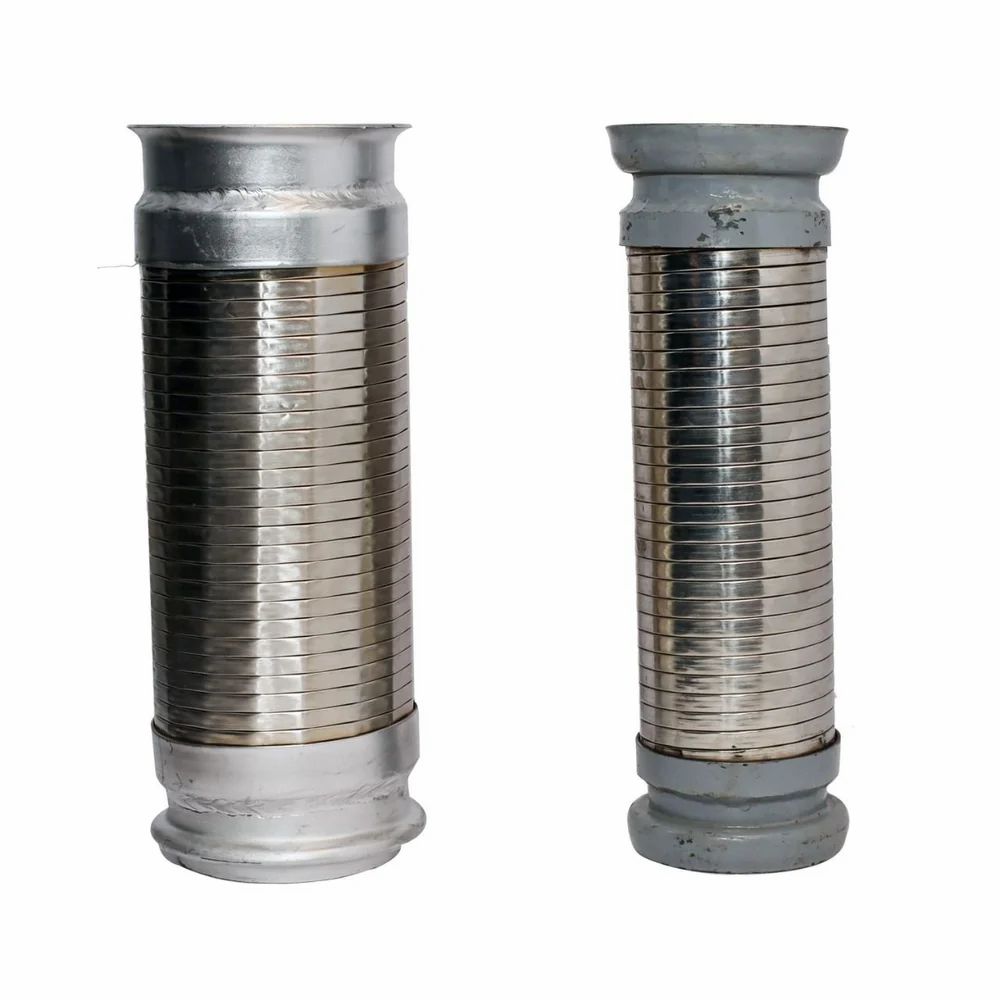
Overview: Sonu Hose Pipe offers a high-quality range of Interlock Flexible Hose Pipes, designed to provide exceptional flexibility, strength, and durability in a variety of fluid transfer applications. These hoses are constructed using advanced materials and technology to meet the demands of industries that require flexible, high-performance hoses for handling various types of liquids, gases, and powders. Known for their interlocking metal construction, Sonu’s interlock flexible hose pipes offer superior flexibility and resistance to external pressures, making them the perfect solution for complex and space-restricted applications.
Size/Diameter 3/4 inch
Material UPVC
Type Spray Hose Pipe
Length 10 m
Usage/Application Water
Is It Flexible Yes
Colour Silver
The Interlock Hoses are the helically coiled high quality metallic strip with interlock construction. These hoses are made using copper coated steel, aluminum and stainless steel in different sizes and specifications. The hoses are sturdy in construction and can bear temperature
Key Features:
Superior Flexibility: The interlocking design allows for enhanced flexibility, enabling the hose to bend and move easily, making it ideal for applications where flexibility and space-saving are crucial.
Durable Construction: Made from high-quality stainless steel, galvanized steel, or other robust materials, Sonu interlock flexible hoses are designed to withstand wear, abrasion, and harsh environmental conditions.
Corrosion and Abrasion Resistance: The materials used in the construction of these hoses are resistant to corrosion, abrasion, and weathering, ensuring long-lasting performance even in harsh conditions and challenging environments.
Compact and Lightweight: Despite their heavy-duty construction, interlock flexible hose pipes are lightweight and space-efficient, making them perfect for compact installations or areas with limited space.
Leak-Proof and Secure Connections: The interlocking design ensures that the hose remains securely connected, preventing leaks and ensuring smooth fluid transfer.
Wide Temperature Range: These hoses are designed to handle a broad range of temperatures, from extremely low to high temperatures, making them versatile for various industrial environments.
Types of Interlock Flexible Hose Pipes:
Standard Interlock Flexible Hoses: These hoses provide flexible solutions for a wide range of fluid transfer applications, offering excellent resistance to pressure and abrasion.
High-Pressure Interlock Hoses: Engineered to handle high-pressure conditions, these hoses are perfect for applications where fluids or gases need to be transferred at elevated pressures.
Heavy-Duty Interlock Hoses: Designed for tough industrial environments, these hoses are made with additional reinforcement to ensure maximum durability and performance in heavy-duty applications.
Chemical-Resistant Interlock Hoses: Specifically designed to transport aggressive chemicals, these hoses are resistant to corrosion from acids, alkalis, and other harsh chemicals, making them suitable for a variety of industrial processes.
Food-Grade Interlock Hoses: Constructed with materials that meet safety standards for the food and beverage industry, these hoses are ideal for transferring liquids in food processing plants, breweries, and dairies.
Customizable Interlock Hoses: Depending on your specific requirements, Sonu Hose Pipe offers custom options for diameter, length, and fittings to suit your unique application needs.
Applications:
Industrial Fluid Transfer: Interlock flexible hoses are commonly used in industrial applications for the transfer of various fluids, including water, chemicals, oils, and gases, ensuring safe and efficient movement through piping systems.
Automotive and Transport Systems: These hoses are used in automotive applications for transferring oil, coolant, and other fluids in engines, radiators, and other mechanical systems.
Food and Beverage Industry: Sonu interlock flexible hoses are widely used in the food and beverage sector for the transfer of liquids like milk, juice, beer, and other products, meeting strict hygiene and safety standards.
Pharmaceutical and Chemical Processing: These hoses are used in pharmaceutical and chemical industries for safely transporting chemicals, gases, and other hazardous substances, ensuring leak-proof operation and preventing contamination.
HVAC Systems: Interlock flexible hoses are used in HVAC (Heating, Ventilation, and Air Conditioning) systems for duct connections and fluid transfer between units, thanks to their flexibility and resistance to temperature fluctuations.
Oil and Gas Industry: In the oil and gas industry, these hoses are used for fluid transport in drilling operations, offshore platforms, and refineries, where pressure, durability, and flexibility are critical.
Concrete Hose Pipe at Sonu Hose Pipe
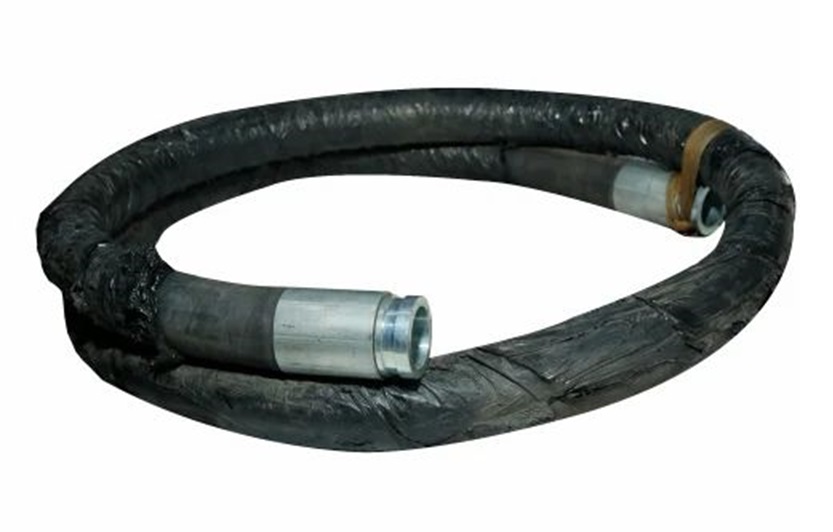
Overview: Sonu Hose Pipe is proud to offer a premium selection of Concrete Hose Pipes designed to meet the rigorous demands of the construction and concrete pumping industry. Our concrete hoses are built to withstand high-pressure applications, providing reliable and efficient transfer of concrete during construction and other related projects. Engineered with durability, flexibility, and performance in mind, these hoses are essential for transferring concrete, mortar, and other high-density materials in a variety of industrial and construction applications.
Size/Diameter 3 inch
Type Rubber Hose Pipe
Color Black
Usage/Application Industrial
Length 8 m
Max Burst Pressure 75 kg/cm2
These hoses are used for special purposes like Sand blasting, Shotcreting, Concrete pumping and delivery, Oil discharge and decanting, Cement grouting etc.
Key Features:
High-Pressure Resistance: Sonu concrete hose pipes are designed to handle the extreme pressures associated with concrete pumping systems, ensuring safe and efficient operation even under high-demand conditions.
Durable Construction: Made with high-strength materials such as reinforced rubber, steel wire, and other robust compounds, these hoses are built to endure the harsh conditions of the construction site, ensuring long-lasting performance.
Flexibility and Maneuverability: Despite their heavy-duty construction, these concrete hoses are highly flexible, allowing for easy maneuvering and positioning during concrete pouring, making them ideal for complex or confined work environments.
Abrasion and Wear Resistance: The outer layer of our concrete hoses is designed to resist abrasion, providing additional protection against wear from rough surfaces, impact, and exposure to harsh elements.
Corrosion Resistance: Built to resist corrosion from chemicals and environmental factors, Sonu concrete hoses ensure long-term reliability, even in challenging outdoor environments.
Wide Size Range: Available in various diameters and lengths, our concrete hose pipes are suitable for a wide range of concrete pumping equipment, providing flexibility and compatibility for different projects and requirements.
High-Quality Fittings: Sonu’s concrete hoses are equipped with top-quality couplings and fittings that ensure secure, leak-free connections between hoses and concrete pumps, maximizing safety and efficiency during use.
Types of Concrete Hose Pipes:
Standard Concrete Hoses: Designed for general concrete pumping applications, these hoses offer reliable performance in transferring concrete, grout, and other similar materials.
Heavy-Duty Concrete Hoses: Built to handle the most demanding concrete pumping tasks, these hoses are reinforced with steel wire and provide exceptional durability, even under high pressure and heavy use.
Superflex Concrete Hoses: These hoses provide enhanced flexibility and are ideal for applications requiring constant movement or tight bends, offering easy handling without sacrificing strength or performance.
Shotcrete Hoses: Specifically designed for shotcrete applications, these hoses are capable of withstanding the high pressures needed for spraying concrete in vertical or overhead positions.
Abrasion-Resistant Concrete Hoses: Featuring specialized outer layers that offer additional protection against abrasive materials, these hoses are perfect for applications where concrete includes aggregates or other rough materials that may cause wear and tear.
Thermoplastic Concrete Hoses: Lightweight and flexible, these hoses are used for lower-pressure applications and offer resistance to wear and UV degradation, making them ideal for use in outdoor environments.
Applications:
Concrete Pumping Systems: Used extensively in concrete pumps and related machinery to transfer ready-mix concrete or grout from the truck to the construction site for pouring into foundations, slabs, and walls.
Construction Projects: Concrete hose pipes are commonly used in large-scale construction projects, including roads, bridges, dams, and commercial buildings, ensuring an uninterrupted supply of concrete during pouring and setting.
Industrial and Agricultural Uses: Concrete hoses are used for a variety of industrial applications such as industrial flooring and agricultural concrete construction projects, where high-density concrete is required for heavy-duty structures.
Why Choose Sonu Hose Pipe Concrete Hose Pipes?
Reliability and Durability: Sonu concrete hoses are built to handle the toughest environments, withstanding the high pressures and physical demands of concrete pumping and transfer.
Safety First: Our concrete hoses are designed with secure fittings and leak-proof couplings, reducing the risk of accidents and ensuring the safety of your equipment and personnel during operation.
Hydraulic Gear Pump Model 6006: An Overview
The Hydraulic Pump Model 6006 is a specific model of hydraulic pump designed for industrial applications, where high efficiency, reliability, and precision are essential. Hydraulic pumps are commonly used to transfer fluids under pressure, converting mechanical energy into hydraulic energy.
Basic Design and Operation
The Hydraulic Gear Pump Model 6006 is a type of positive displacement pump that operates by using the meshing of gears to move hydraulic fluid. I
The 6006 model operates as follows:
Inlet Fluid: Hydraulic fluid enters the pump through an inlet port. The gears rotate, and the fluid is trapped between the teeth.
Fluid Movement: As the gears continue rotating, they push the trapped fluid along the sides of the gears, from the inlet side to the discharge side.
Discharge Fluid: The fluid exits the pump through an outlet port at high pressure, which is used to power various parts of a hydraulic system.
These gears rotate within a pump casing, creating a continuous flow of fluid .
Key Features of the Hydraulic Pump Model 6006
The Hydraulic Gear Pump Model 6006 is designed for versatility and high performance. Some of its key features include:
High Efficiency: The 6006 pump is built to minimize energy loss during operation, making it a highly efficient option for hydraulic systems.
Durability and Reliability: The model 6006 is designed for heavy-duty use in industrial applications.
Compact Design: The 6006 model has a relatively compact design, making it suitable for use in applications where space is limited.
Versatility: The model is adaptable to various fluids, including oils and synthetic fluids, which allows it to be used in diverse applications. I
Pressure and Flow Control: The 6006 gear pump is designed to provide stable flow rates under different pressure conditions. The flow rate is primarily determined by the speed at which the gears rotate,
Applications of the Hydraulic Pump Model 6006
The Hydraulic Gear Pump Model 6006 is commonly used in various sectors where in efficient hydraulic fluid transfer is needed. Its applications include:
Construction Equipment: The 6006 gear pump is widely used in construction machinery such as excavators, loaders, and bulldozers, Agricultural Machinery:
Automotive and Commercial Vehicles: The 6006 model is used in hydraulic systems for power steering, braking systems, Industrial Applications:
Marine Applications: Hydraulic systems in marine vessels often use gear pumps like the 6006 to power steering mechanisms,
Advantages of the Hydraulic Model 6006
Consistent Flow: One of the primary advantages of the 6006 model is its ability to provide a continuous and stable flow of hydraulic fluid,
Low Maintenance: Due to its robust design and minimal wear and tear, the 6006 gear pump requires relatively low maintenance compared to other types of pumps.
Cost-Effective: The model 6006 provides excellent performance without the high cost of more complex pump designs, making it a cost-effective option for many applications.
Precision and Control: The pump provides precise control of the fluid flow, which is necessary for applications where accuracy and stability are critical.
Limitations of the Hydraulic Pump Model 6006
Noise and Vibration: Like most gear pumps, the 6006 model can produce noise and vibration during operation, especially at higher speeds.
Fluid Contamination Sensitivity:
Limited Suction Capability: Gear pumps, including the 6006 model, are typically not in high suction power.
Conclusion
The Hydraulic Gear Pump Model 6006 is an efficient, durable, and versatile pump designed to handle a wide range of industrial applications.
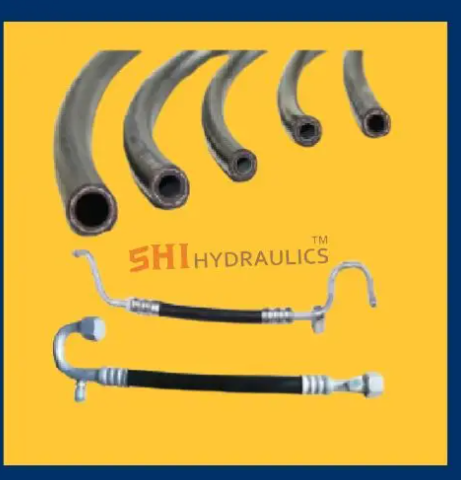
Air Conditioning Hose
An air conditioning (AC) hose is an integral part of any vehicle or building’s air conditioning system, responsible for transporting refrigerant and ensuring the system operates effectively. Designed to handle high-pressure and high-temperature conditions, these hoses ensure the seamless circulation of refrigerant between the compressor, condenser, evaporator, and expansion valve.
This description delves into the features, types, materials, benefits, applications, and maintenance of air conditioning hoses, highlighting their importance in modern climate control systems.
Key Features of Air Conditioning Hoses
Durability
Constructed to withstand extreme pressures and temperatures, AC hoses are robust and reliable.
Flexibility
Flexible construction allows these hoses to be routed through tight and complex spaces without compromising performance.
Pressure Resistance
Designed to handle high refrigerant pressures, ensuring safe and efficient operation.
Chemical Compatibility
Resistant to refrigerants, oils, and other chemicals commonly used in AC systems.
Temperature Resistance
Capable of enduring both high and low temperatures, ensuring functionality in diverse climates.
Types of Air Conditioning Hoses
Barrier Hoses
Equipped with an inner layer that prevents refrigerant permeation, ensuring system efficiency and environmental compliance.
Non-Barrier Hoses
Older hose types without a permeation barrier, now less common due to stricter environmental regulations.
Reduced Barrier Hoses
Compact and lightweight, these hoses offer the same performance as barrier hoses while saving space and weight.
Rubber Hoses
Made from durable rubber compounds, often reinforced with braided fibers or steel for added strength.
Thermoplastic Hoses
Constructed from advanced polymers, providing excellent flexibility and resistance to refrigerants and heat.
Metal Braided Hoses
Feature a metal braid for enhanced durability in high-pressure applications.
Materials Used in Air Conditioning Hoses
Synthetic Rubber
Provides flexibility, durability, and resistance to refrigerants and oils.
Nylon or Polyester Barrier Layers
Prevent refrigerant leakage and improve system efficiency.
Reinforcement Layers
Braided fibers or steel reinforcement enhance strength and pressure resistance.
Outer Coverings
Protective layers shield the hose from abrasion, UV rays, and environmental wear.
Benefits of Air Conditioning Hoses
Efficient Refrigerant Flow
Ensures the proper circulation of refrigerant for optimal cooling performance.
System Longevity
Durable construction reduces wear and tear, extending the lifespan of the AC system.
Environmentally Friendly
Modern hoses minimize refrigerant leakage, reducing environmental impact.
Versatility
Compatible with a variety of refrigerants, including R-134a and newer eco-friendly options like R-1234yf.
Safety
Designed to handle high pressures, preventing system failures and ensuring safe operation.
 Chat with us
 Chat with us