Thank you for writing to us. One of our executive will reach back to you through your submitted medium. In case there’s an urgency, feel free to connect over WhatsApp for faster response.
Prefer calling? Dial +919311288288 (International callers) or +919311288288 (Indian callers).
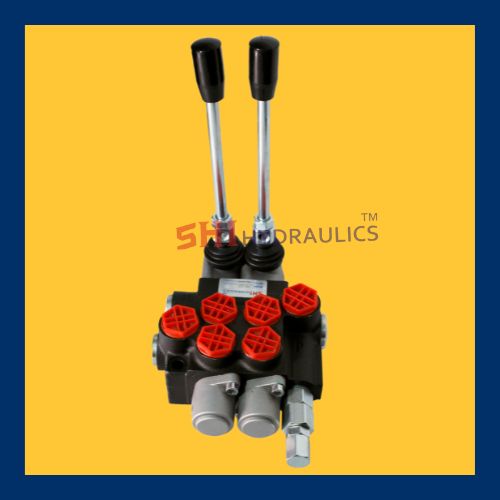
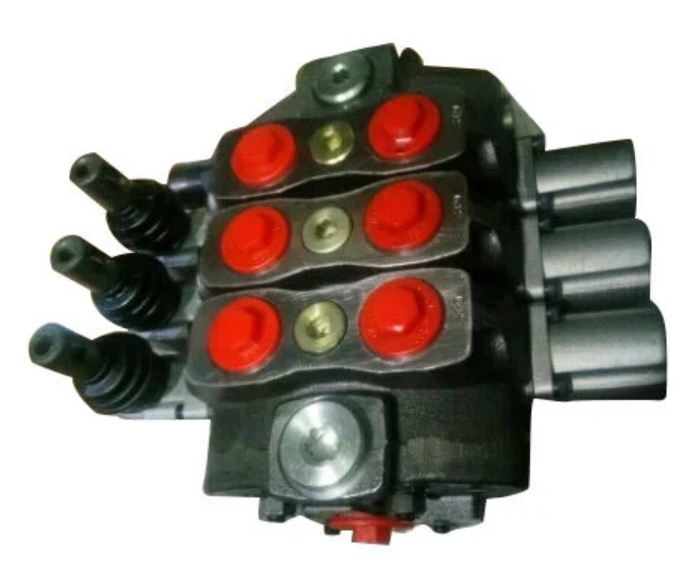
A sectional valve is a type of hydraulic control valve composed of multiple modular sections, allowing for independent control of multiple hydraulic functions within a system. It is widely used in mobile and industrial hydraulic applications, such as construction machinery, agricultural equipment, and material handling systems.
Key Components of a Sectional Valve
Main Valve Sections – Modular sections, each controlling a different hydraulic function.
Inlet Section – Directs hydraulic fluid into the valve assembly from the pump.
Spools – Move within the sections to regulate fluid flow and direction.
Outlet Section – Returns excess hydraulic fluid to the reservoir.
Pressure Relief Valve – Protects the system by preventing overpressure.
Actuators (Manual, Electric, or Hydraulic) – Operate the spools to control fluid movement.
Features of a Sectional Valve
Modular Design – Can be expanded by adding or removing sections based on system needs.
Independent Function Control – Each section operates a separate hydraulic circuit.
Durable Construction – Made from high-strength materials for long-lasting performance.
Customizable Flow and Pressure Settings – Adjustable to meet specific hydraulic requirements.
Compact and Space-Saving – Ideal for systems with multiple hydraulic operations.
Common Applications
Construction Machinery – Used in excavators, loaders, and cranes for controlling multiple hydraulic movements.
Agricultural Equipment – Powers hydraulic functions in tractors, harvesters, and sprayers.
Material Handling – Operates hydraulic lifts, forklifts, and conveyor systems.
Municipal Vehicles – Controls hydraulic functions in garbage trucks, fire trucks, and snow plows.
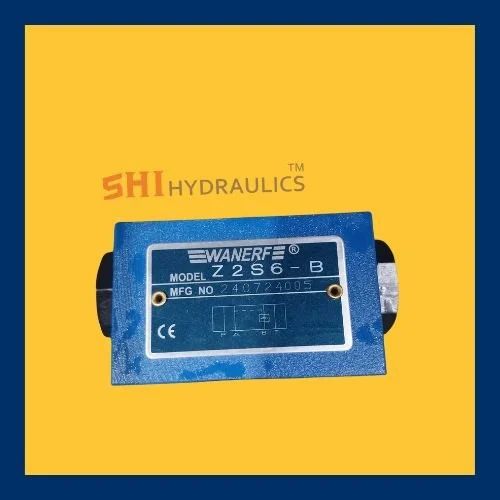
Wanref Control Valve at Sonu Hose Pipe
Sonu Hose Pipe offers high-performance Wanref Control Valves, designed to deliver precise fluid control and enhance the operational efficiency of hydraulic and pneumatic systems. These advanced control valves are known for their exceptional reliability, durability, and versatility in regulating the flow and pressure of fluids in various applications. Whether used in industrial machinery, construction, or agricultural equipment, Wanref control valves from Sonu Hose Pipe are engineered to perform optimally even in the most demanding environments.
It looks like you’re asking about a Waneref Control Valve, but I couldn’t find specific details on this brand or type. Could you clarify whether "Waneref" is a brand, model, or a specific type of control valve used in a particular application?
If you're looking for general information on Control Valves, I can provide a detailed description covering their types, functions, applications, and benefits. Let me know how you'd like to proceed!
Key Features:
Precise Flow and Pressure Control: Wanref control valves are designed to provide fine control over fluid flow and pressure, ensuring that your systems operate efficiently and safely.
Durable Construction: Manufactured using high-quality materials such as stainless steel, brass, and other corrosion-resistant alloys, these valves are built to withstand harsh conditions and high-pressure environments.
Versatile Design: Wanref control valves are available in a wide range of configurations, offering flexibility to meet the specific requirements of various hydraulic and pneumatic systems.
Leak-Free Performance: With high-quality seals and precision engineering, these valves prevent fluid leaks, contributing to greater system reliability and reducing the risk of fluid loss.
High Pressure and Temperature Resistance: These control valves are designed to function optimally even under extreme pressure and temperature conditions, making them ideal for use in challenging environments.
Compact and Efficient: Designed for ease of installation and maintenance, Wanref control valves have a compact footprint that helps conserve space without compromising on performance.
Long-Lasting: With their robust design and durable materials, Wanref control valves provide long-term reliability and reduced maintenance costs.
Types of Wanref Control Valves:
Flow Control Valves: Used to regulate the flow of fluids in a hydraulic or pneumatic system, these valves help ensure that the correct amount of fluid reaches various components, enhancing system efficiency and preventing damage.
Pressure Control Valves: These valves maintain a constant pressure level within the system by releasing excess pressure or restricting flow as necessary, preventing overpressure situations and protecting sensitive equipment.
Directional Control Valves: Designed to control the direction of fluid flow, these valves are essential for managing the movement of fluids within a system, whether in a forward or reverse direction.
Check Valves: Wanref check valves prevent backflow in a system, allowing fluid to flow in one direction only, which is crucial for maintaining the efficiency and integrity of hydraulic circuits.
Ball and Gate Valves: Known for their reliable performance and ease of operation, ball and gate valves from Wanref are designed for fast and efficient opening and closing of fluid pathways in high-pressure systems.
Applications:
Industrial Machinery: Wanref control valves are essential for regulating the fluid flow in machines used in manufacturing, metalworking, and automation, ensuring smooth operation and system protection.
Construction Equipment: In excavators, cranes, and loaders, these valves help control hydraulic fluid flow to various system components, optimizing the performance of construction machinery.
Agricultural Equipment: Used in tractors, harvesters, and irrigation systems, Wanref control valves ensure that hydraulic systems operate efficiently and reliably during agricultural operations.
Automotive & Transport: Wanref valves play a crucial role in hydraulic steering, braking systems, and suspension systems in vehicles, ensuring safe and efficient operation.
Oil & Gas Industry: In exploration and drilling applications, Wanref control valves regulate the flow of drilling fluids, preventing overpressure and ensuring the smooth operation of equipment under high-stress conditions.
Why Choose Sonu Hose Pipe Wanref Control Valves?
Superior Performance: Sonu Hose Pipe’s Wanref control valves provide precision control, ensuring that your system operates at its peak efficiency, minimizing energy consumption and maximizing output.
Exceptional Durability: Designed with the harshest conditions in mind, these valves are built to last, providing long-term reliability and minimizing the need for replacements or repairs.
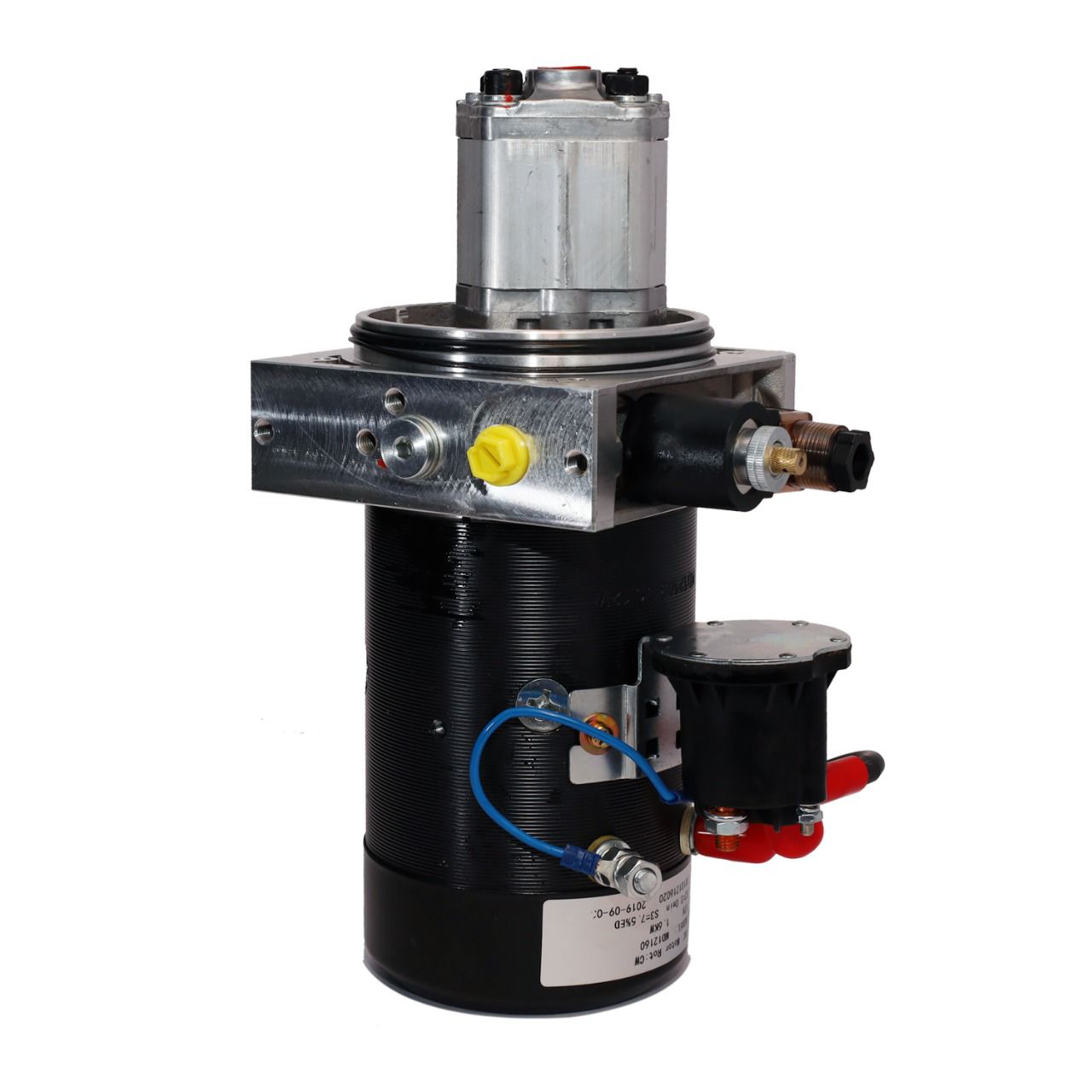
DC Power Pack is a compact, self-contained unit that supplies direct current (DC) power to hydraulic or electrical systems. It is commonly used in mobile and industrial applications where a reliable DC power source is required for actuating hydraulic cylinders, motors, and other equipment.
Key Components of a DC Power Pack
DC Electric Motor – Converts electrical energy into mechanical power to drive the hydraulic pump.
Hydraulic Pump – Generates hydraulic pressure to power actuators and other hydraulic components.
Reservoir/Tank – Stores hydraulic fluid for circulation within the system.
Control Valves – Regulate the flow and direction of hydraulic fluid.
Filters – Remove contaminants from the hydraulic fluid to maintain system efficiency.
Battery or External Power Source – Provides DC electrical energy to operate the motor.
Manifold Block – Houses various hydraulic control elements like relief valves and check valves.
Features of a DC Power Pack
Compact & Lightweight – Designed for easy installation in confined spaces.
Efficient Power Output – Provides high torque with low energy consumption.
Versatile Voltage Options – Available in 12V, 24V, 48V, and other DC voltage ratings.
Remote Operation – Can be controlled via wired or wireless remote systems.
Low Maintenance – Requires minimal upkeep compared to larger hydraulic systems.
Common Applications
Material Handling Equipment – Used in forklifts, scissor lifts, and hydraulic lifts.
Automotive & Truck Applications – Powers hydraulic tailgates, dump trucks, and trailers.
Industrial Automation – Supports presses, clamps, and compact hydraulic machinery.
Agricultural Equipment – Operates hydraulic functions in tractors and sprayers.
Marine & Off-Road Vehicles – Provides hydraulic power for winches, ramps, and steering systems.
HDD Gear Pump at Sonu Hose Pipe
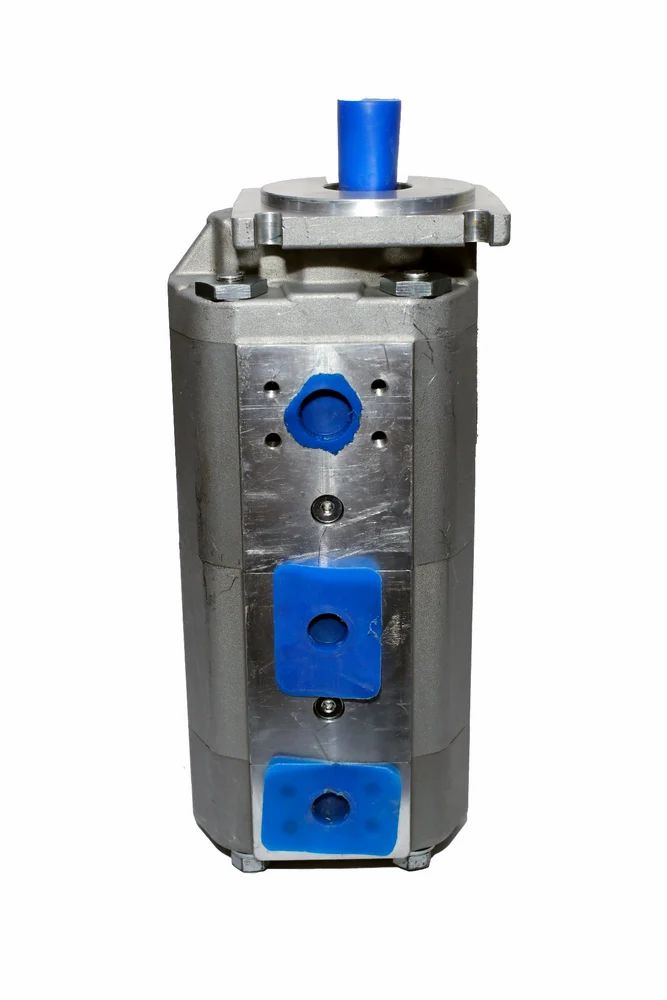
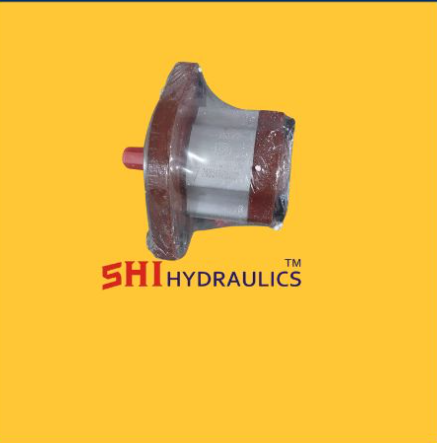
Overview: Sonu Hose Pipe offers premium-quality HDD (Horizontal Directional Drilling) Gear Pumps, engineered for the demanding needs of horizontal directional drilling applications. These gear pumps are designed to provide reliable, efficient, and consistent fluid delivery in various drilling operations, ensuring optimal performance in the toughest environments. Whether you're working in construction, pipeline installation, or utility infrastructure, Sonu Hose Pipe’s HDD Gear Pumps are the perfect choice to drive your project forward.
Discharge Range 30 LPM
Speed 1000 RPM
Pump Type Centrifugal Pump
Power Source AC Powered
Automation Grade Semi-Automatic
Motor Horsepower 2 HP
Pressure 20 Bar
Usage/Application Industrial
Material Mild Steel
Brands: FOR HDD Machine
Machine Hydraulic Pump and are extensively admired and respected company in the industry in this field. Our highly experienced and skilled experts develop the Hydraulic Pumps at par with international quality benchmarks by utilizing the premium quality materials available. The Hydraulic Pumps 310 CC & 390 CC all
Key Features:
High Efficiency: Our HDD gear pumps are built for efficient fluid transfer, ensuring that your directional drilling operations run smoothly without fluid loss or delays.
Durable Construction: Made from high-quality, corrosion-resistant materials, Sonu’s gear pumps are designed to endure harsh conditions and resist wear, providing long-lasting performance even in challenging environments.
Reliable Performance: These pumps offer consistent and reliable fluid delivery, which is crucial for the success of HDD operations. With high reliability, you can count on the pump to perform efficiently under pressure.
Compact and Robust Design: The compact size of the gear pump ensures it fits into limited spaces, while the rugged design is built to withstand the heavy demands of drilling equipment and machinery.
Easy Installation and Maintenance: Designed with user convenience in mind, Sonu’s HDD gear pumps are easy to install and require minimal maintenance, which reduces downtime and operating costs.
Low Noise and Vibration: These gear pumps are engineered to operate quietly and with minimal vibration, enhancing both operator comfort and the longevity of surrounding components.
Applications:
Horizontal Directional Drilling (HDD): The primary application of these gear pumps is in HDD operations, where they transfer drilling fluids or mud to maintain bore stability, cool the drill bit, and lubricate the drilling string.
Pipeline Installation: Used in the installation of pipelines, including water, gas, and oil pipelines, by providing a continuous and steady flow of drilling fluids for trenchless construction techniques.
Utility Infrastructure: Ideal for underground construction projects that require precise fluid flow management, such as telecommunications and electrical infrastructure installation.
Underground Mining: HDD gear pumps are also useful in certain underground mining applications, providing reliable fluid flow for cooling, dust suppression, and other processes.
Why Choose Sonu Hose Pipe HDD Gear Pumps?
Industry-Leading Performance: Sonu’s HDD gear pumps are designed to meet the highest standards of performance, ensuring reliable and efficient fluid handling in all HDD applications.
Built for Toughness: With materials and components specifically selected for their durability and resistance to harsh operating conditions, our gear pumps offer unmatched reliability and long service life.
Customizable Solutions: We offer customization options for flow rates, pressure ratings, and other specifications to ensure the gear pump is perfectly suited to your unique HDD system requirements.
Cost-Effective: Sonu HDD gear pumps provide excellent value for money, offering high performance at competitive prices to help maximize your operational efficiency.
Customer Support: Our experienced team provides comprehensive technical support, installation assistance, and troubleshooting to ensure that your HDD gear pump operates at its best throughout its lifecycle.
Hydraulics Motors
Hydraulics Motors
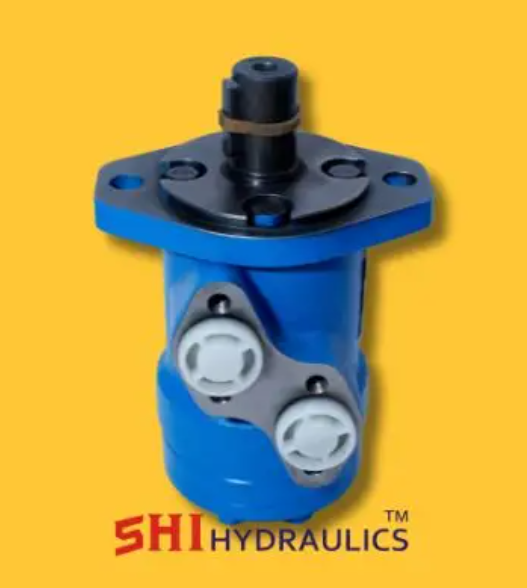
is a mechanical actuator that converts hydraulic energy (fluid power) into rotational mechanical energy. It is part of the broader category of hydraulic machinery used in a variety of industrial applications, from manufacturing to construction, where rotary motion is required. Hydraulic motors are powered by pressurized hydraulic fluid supplied by a pump, and they are capable of generating high torque at low speeds, making them essential for demanding tasks
The hydraulic motors operates on the principle of fluid power, which involves the use of pressurized fluid to generate motion. A hydraulic consists of an enclosed rotor or shaft connected to gears, pistons, or other mechanical components,
Pressurized Fluid Inflow: The hydraulic pump sends pressurized fluid to the hydraulic through an inlet port.
Rotational Motion: As the fluid enters the it pushes against the internal components (such as gears or pistons), causing the rotor or shaft to rotate.
Exhaust Flow: Once the fluid has passed through the , it exits via an outlet port, typically at a lower pressure than it entered.
The rotational speed and torque output of the are determined by the pressure of the fluid and the design of the motor itself. Hydraulic motors can produce high
Types
There are several types of hydraulic motors, each designed for specific applications and performance requirements. These include:
Gear:
External Gear These consist of two meshed gears that rotate to generate torque. The fluid is directed between the gears, causing them to spin.
Internal Gear : These have a smaller gear rotating inside a larger gear. They are more efficient than external gear motors and are capable of producing higher torque output.
Vane
These use sliding vanes mounted on a rotor to create pressure chambers as the spins. The vanes push against the walls of the housing, generating rotational motion. V
Piston :
Axial Piston : In these motors, pistons are arranged parallel to the shaft and move back and forth. The fluid forces the pistons to generate motion along the shaft.
Radial Piston Here, the pistons are arranged radially around the motor shaft. These motors are known for their ability to generate high torque at lower speeds,
Rotary Vane
These motors consist of a rotor and vanes that slide in and out to create pressurized chambers. The chambers drive the motor’s
Applications
Construction Machinery: Hydraulic motors are integral to the operation of equipment like excavators, cranes, bulldozers, and wheel loaders,
Agriculture: These motors drive implements such as augers,
Marine and Offshore: Hydraulic motors are used to power winches, thrusters, and other machinery in marine vessels and offshore oil rigs. Industrial Automation:
Automotive: In automotive applications, hydraulic motors are used in systems such as steering, lifting equipment, or as part
High Torque at Low Speeds:
Efficiency:
Compact Design:
Durability and Reliability: T
Precise Control:
Leakage and Fluid Loss:
Noise and Heat Generation:
Maintenance:
Sensitivity to Contaminants:
Vane motors use a rotor with sliding vanes that are forced outward by centrifugal force as the rotor turns. The vanes create pressurized chambers, which generate rotational motion. Vane motors are known for smooth operation and high efficiency, particularly at low speeds, and are often used in applications where quiet and steady performance is required.
Axial Piston Motors: These motors have pistons arranged parallel to the motor shaft. As hydraulic fluid forces the pistons to move back and forth, it causes the motor shaft to rotate.
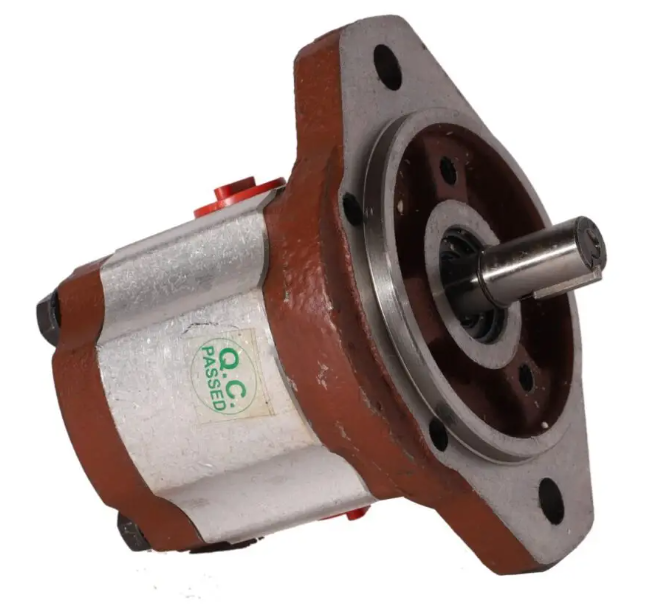
Hydraulic Gear Pump Model 6006: An Overview
The Hydraulic Pump Model 6006 is a specific model of hydraulic pump designed for industrial applications, where high efficiency, reliability, and precision are essential. Hydraulic pumps are commonly used to transfer fluids under pressure, converting mechanical energy into hydraulic energy.
Basic Design and Operation
The Hydraulic Gear Pump Model 6006 is a type of positive displacement pump that operates by using the meshing of gears to move hydraulic fluid. I
The 6006 model operates as follows:
Inlet Fluid: Hydraulic fluid enters the pump through an inlet port. The gears rotate, and the fluid is trapped between the teeth.
Fluid Movement: As the gears continue rotating, they push the trapped fluid along the sides of the gears, from the inlet side to the discharge side.
Discharge Fluid: The fluid exits the pump through an outlet port at high pressure, which is used to power various parts of a hydraulic system.
These gears rotate within a pump casing, creating a continuous flow of fluid .
Key Features of the Hydraulic Pump Model 6006
The Hydraulic Gear Pump Model 6006 is designed for versatility and high performance. Some of its key features include:
High Efficiency: The 6006 pump is built to minimize energy loss during operation, making it a highly efficient option for hydraulic systems.
Durability and Reliability: The model 6006 is designed for heavy-duty use in industrial applications.
Compact Design: The 6006 model has a relatively compact design, making it suitable for use in applications where space is limited.
Versatility: The model is adaptable to various fluids, including oils and synthetic fluids, which allows it to be used in diverse applications. I
Pressure and Flow Control: The 6006 gear pump is designed to provide stable flow rates under different pressure conditions. The flow rate is primarily determined by the speed at which the gears rotate,
Applications of the Hydraulic Pump Model 6006
The Hydraulic Gear Pump Model 6006 is commonly used in various sectors where in efficient hydraulic fluid transfer is needed. Its applications include:
Construction Equipment: The 6006 gear pump is widely used in construction machinery such as excavators, loaders, and bulldozers, Agricultural Machinery:
Automotive and Commercial Vehicles: The 6006 model is used in hydraulic systems for power steering, braking systems, Industrial Applications:
Marine Applications: Hydraulic systems in marine vessels often use gear pumps like the 6006 to power steering mechanisms,
Advantages of the Hydraulic Model 6006
Consistent Flow: One of the primary advantages of the 6006 model is its ability to provide a continuous and stable flow of hydraulic fluid,
Low Maintenance: Due to its robust design and minimal wear and tear, the 6006 gear pump requires relatively low maintenance compared to other types of pumps.
Cost-Effective: The model 6006 provides excellent performance without the high cost of more complex pump designs, making it a cost-effective option for many applications.
Precision and Control: The pump provides precise control of the fluid flow, which is necessary for applications where accuracy and stability are critical.
Limitations of the Hydraulic Pump Model 6006
Noise and Vibration: Like most gear pumps, the 6006 model can produce noise and vibration during operation, especially at higher speeds.
Fluid Contamination Sensitivity:
Limited Suction Capability: Gear pumps, including the 6006 model, are typically not in high suction power.
Conclusion
The Hydraulic Gear Pump Model 6006 is an efficient, durable, and versatile pump designed to handle a wide range of industrial applications.
A control valve is a mechanical device used to regulate the flow, pressure, temperature, or level of a fluid (liquid, gas, or steam) within a system. It operates by varying the size of the flow passage in response to a control signal, ensuring precise process control in industries such as oil & gas, power generation, water treatment, and manufacturing.
Key Components of a Control Valve
Valve Body – The main casing that houses the internal components and provides a passage for fluid flow.
Actuator – The mechanism (pneumatic, electric, or hydraulic) that moves the valve to adjust flow.
Valve Plug or Disc – The movable part that regulates the flow by opening, closing, or throttling the passage.
Stem – Connects the actuator to the valve plug for movement control.
Positioner (Optional) – Ensures precise control by adjusting the actuator’s position based on control signals.
Types of Control Valves
Globe Valve – Provides accurate flow control with a linear motion plug.
Ball Valve – Uses a rotating ball with a hole to control fluid flow, offering quick shut-off.
Butterfly Valve – Features a rotating disc for efficient flow regulation in large pipes.
Diaphragm Valve – Utilizes a flexible diaphragm to control flow, ideal for corrosive fluids.
Needle Valve – Designed for fine flow adjustments in small-diameter pipelines.
Pressure Relief Valve – Prevents overpressure by releasing excess fluid when necessary.
Common Applications
Industrial Process Control – Regulates flow and pressure in chemical, power, and manufacturing plants.
Water Treatment – Controls water distribution and filtration processes.
Oil & Gas Industry – Used in pipelines, refineries, and offshore drilling operations.
HVAC Systems – Manages heating, cooling, and ventilation flow rates.
Pharmaceutical & Food Processing – Ensures precise flow control for hygiene and efficiency.
Air Conditioning Hose
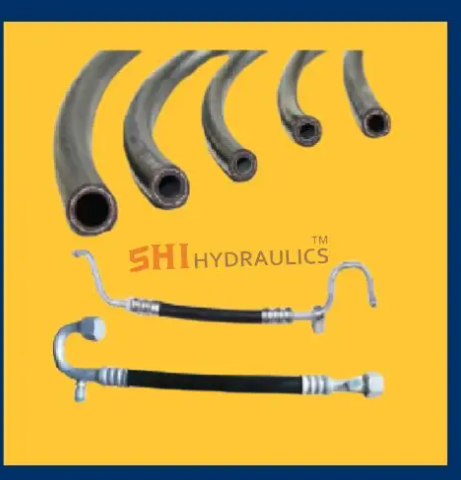
An air conditioning (AC) hose is an integral part of any vehicle or building’s air conditioning system, responsible for transporting refrigerant and ensuring the system operates effectively. Designed to handle high-pressure and high-temperature conditions, these hoses ensure the seamless circulation of refrigerant between the compressor, condenser, evaporator, and expansion valve.
This description delves into the features, types, materials, benefits, applications, and maintenance of air conditioning hoses, highlighting their importance in modern climate control systems.
Key Features of Air Conditioning Hoses
Durability
Constructed to withstand extreme pressures and temperatures, AC hoses are robust and reliable.
Flexibility
Flexible construction allows these hoses to be routed through tight and complex spaces without compromising performance.
Pressure Resistance
Designed to handle high refrigerant pressures, ensuring safe and efficient operation.
Chemical Compatibility
Resistant to refrigerants, oils, and other chemicals commonly used in AC systems.
Temperature Resistance
Capable of enduring both high and low temperatures, ensuring functionality in diverse climates.
Types of Air Conditioning Hoses
Barrier Hoses
Equipped with an inner layer that prevents refrigerant permeation, ensuring system efficiency and environmental compliance.
Non-Barrier Hoses
Older hose types without a permeation barrier, now less common due to stricter environmental regulations.
Reduced Barrier Hoses
Compact and lightweight, these hoses offer the same performance as barrier hoses while saving space and weight.
Rubber Hoses
Made from durable rubber compounds, often reinforced with braided fibers or steel for added strength.
Thermoplastic Hoses
Constructed from advanced polymers, providing excellent flexibility and resistance to refrigerants and heat.
Metal Braided Hoses
Feature a metal braid for enhanced durability in high-pressure applications.
Materials Used in Air Conditioning Hoses
Synthetic Rubber
Provides flexibility, durability, and resistance to refrigerants and oils.
Nylon or Polyester Barrier Layers
Prevent refrigerant leakage and improve system efficiency.
Reinforcement Layers
Braided fibers or steel reinforcement enhance strength and pressure resistance.
Outer Coverings
Protective layers shield the hose from abrasion, UV rays, and environmental wear.
Benefits of Air Conditioning Hoses
Efficient Refrigerant Flow
Ensures the proper circulation of refrigerant for optimal cooling performance.
System Longevity
Durable construction reduces wear and tear, extending the lifespan of the AC system.
Environmentally Friendly
Modern hoses minimize refrigerant leakage, reducing environmental impact.
Versatility
Compatible with a variety of refrigerants, including R-134a and newer eco-friendly options like R-1234yf.
Safety
Designed to handle high pressures, preventing system failures and ensuring safe operation.
Gear Pump Model no-6006
Model No-6006
LPM-2.50
Hydraulic Gear Pump Model 6006: An Overview
The Hydraulic Pump Model 6006 is a specific model of hydraulic pump designed for industrial applications, where high efficiency, reliability, and precision are essential. Hydraulic pumps are commonly used to transfer fluids under pressure, converting mechanical energy into hydraulic energy.
Basic Design and Operation
The Hydraulic Gear Pump Model 6006 is a type of positive displacement pump that operates by using the meshing of gears to move hydraulic fluid. I
The 6006 model operates as follows:
Inlet Fluid: Hydraulic fluid enters the pump through an inlet port. The gears rotate, and the fluid is trapped between the teeth.
Fluid Movement: As the gears continue rotating, they push the trapped fluid along the sides of the gears, from the inlet side to the discharge side.
Discharge Fluid: The fluid exits the pump through an outlet port at high pressure, which is used to power various parts of a hydraulic system.
 Chat with us
 Chat with us