Noida
08048032162
+919311288288

Products

68179d65be22ee500d53ff54 Card 2

product image
manufacturer and tools

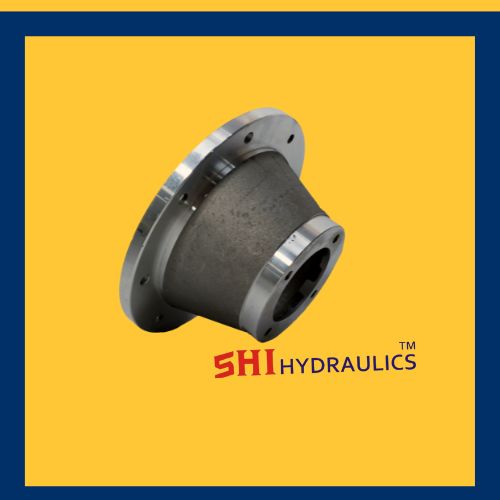
A bell housing is a protective casing that connects an engine to a transmission, enclosing the flywheel and clutch assembly (in manual transmissions) or the torque converter (in automatic transmissions). It is typically made of aluminum or cast iron and is shaped like a bell, hence the name. Functions of a Bell Housing Structural Connection – Provides a secure attachment between the engine and transmission. Protection – Shields internal components like the flywheel, clutch, or torque converter from damage and contaminants. Alignment – Ensures proper positioning of the engine and transmission for smooth operation. Noise Reduction – Helps in dampening vibrations and noise from the drivetrain. Mounting Point – Often has provisions for starter motor installation and other components. Common Applications Automobiles – Found in both manual and automatic vehicles. Heavy Machinery – Used in construction and agricultural equipment. Marine and Industrial Applications – Protects drivetrain components in boats and stationary engines.

68179d65be22ee500d53ff54 Card 2

product image
manufacturer and tools

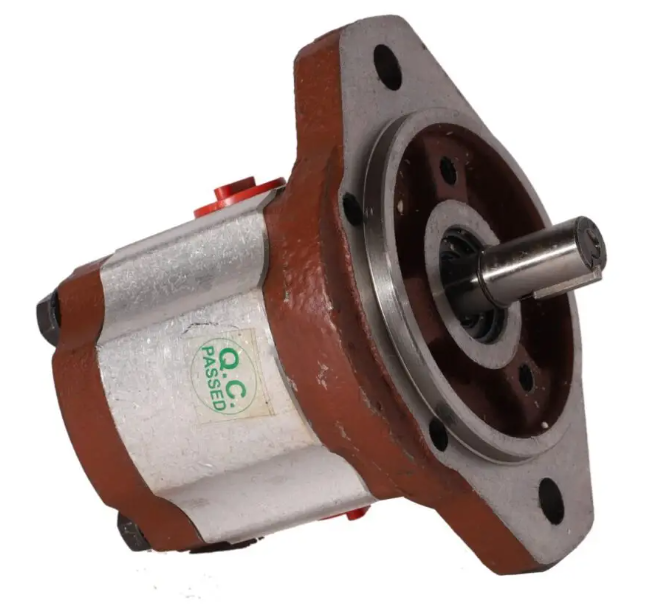
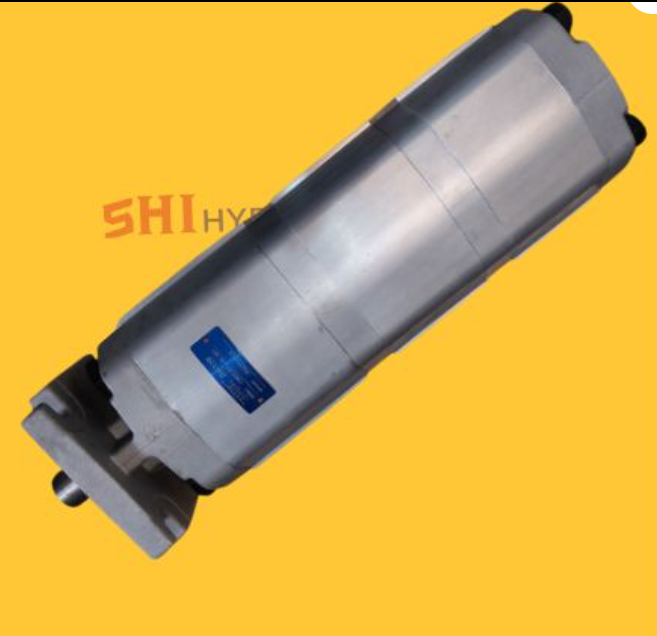
Hydraulic Gear Pump Model 6006: An Overview The Hydraulic Pump Model 6006 is a specific model of hydraulic pump designed for industrial applications, where high efficiency, reliability, and precision are essential. Hydraulic pumps are commonly used to transfer fluids under pressure, converting mechanical energy into hydraulic energy. Basic Design and Operation The Hydraulic Gear Pump Model 6006 is a type of positive displacement pump that operates by using the meshing of gears to move hydraulic fluid. I The 6006 model operates as follows: Inlet Fluid: Hydraulic fluid enters the pump through an inlet port. The gears rotate, and the fluid is trapped between the teeth. Fluid Movement: As the gears continue rotating, they push the trapped fluid along the sides of the gears, from the inlet side to the discharge side. Discharge Fluid: The fluid exits the pump through an outlet port at high pressure, which is used to power various parts of a hydraulic system. These gears rotate within a pump casing, creating a continuous flow of fluid . Key Features of the Hydraulic Pump Model 6006 The Hydraulic Gear Pump Model 6006 is designed for versatility and high performance. Some of its key features include: High Efficiency: The 6006 pump is built to minimize energy loss during operation, making it a highly efficient option for hydraulic systems. Durability and Reliability: The model 6006 is designed for heavy-duty use in industrial applications. Compact Design: The 6006 model has a relatively compact design, making it suitable for use in applications where space is limited. Versatility: The model is adaptable to various fluids, including oils and synthetic fluids, which allows it to be used in diverse applications. I Pressure and Flow Control: The 6006 gear pump is designed to provide stable flow rates under different pressure conditions. The flow rate is primarily determined by the speed at which the gears rotate, Applications of the Hydraulic Pump Model 6006 The Hydraulic Gear Pump Model 6006 is commonly used in various sectors where in efficient hydraulic fluid transfer is needed. Its applications include: Construction Equipment: The 6006 gear pump is widely used in construction machinery such as excavators, loaders, and bulldozers, Agricultural Machinery: Automotive and Commercial Vehicles: The 6006 model is used in hydraulic systems for power steering, braking systems, Industrial Applications: Marine Applications: Hydraulic systems in marine vessels often use gear pumps like the 6006 to power steering mechanisms, Advantages of the Hydraulic Model 6006 Consistent Flow: One of the primary advantages of the 6006 model is its ability to provide a continuous and stable flow of hydraulic fluid, Low Maintenance: Due to its robust design and minimal wear and tear, the 6006 gear pump requires relatively low maintenance compared to other types of pumps. Cost-Effective: The model 6006 provides excellent performance without the high cost of more complex pump designs, making it a cost-effective option for many applications. Precision and Control: The pump provides precise control of the fluid flow, which is necessary for applications where accuracy and stability are critical. Limitations of the Hydraulic Pump Model 6006 Noise and Vibration: Like most gear pumps, the 6006 model can produce noise and vibration during operation, especially at higher speeds. Fluid Contamination Sensitivity: Limited Suction Capability: Gear pumps, including the 6006 model, are typically not in high suction power. Conclusion The Hydraulic Gear Pump Model 6006 is an efficient, durable, and versatile pump designed to handle a wide range of industrial applications.

68179d65be22ee500d53ff54 Card 2

product image
manufacturer and tools

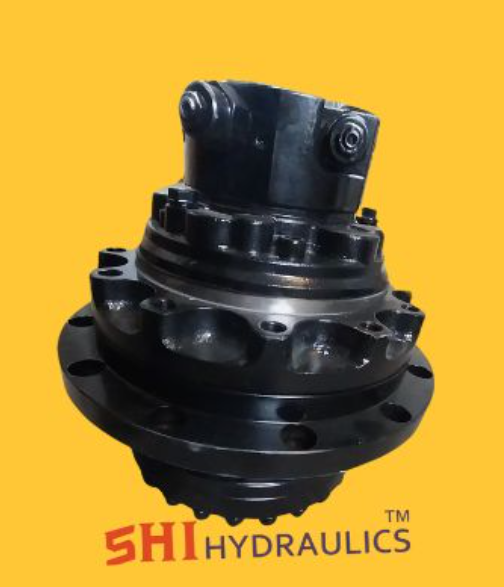
Track China Motor” does not appear to refer to a specific, widely recognized entity or brand in motorsports, manufacturing, or logistics. However, depending on the context, it could imply: Motorsports Context: If you’re referring to motorsport tracks in China, it might involve racetracks like the Shanghai International Circuit such as Formula 1 and endurance racing. Logistics or Shipment: It could relate to tracking motors or engines shipped from China. Manufacturing: It might be about electric motors or machinery products manufactured in China for industries like automotive, robotics, or engineering. Industrial Motor: A high-performance industrial motor used in manufacturing, automation, or heavy-duty applications. The “600” could denote: Power rating (e.g., 600 watts or 600 horsepower).A specific model or series number. Motorsport Equipment: If it’s associated with motorsports, it might be a track-ready motor with specifications tailored for racing or track performance .Pumps or Compressors: In the context of fluid handling or drilling, it might refer to a motor driving pumps or compressors in industries like HDD (Horizontal Directional Drilling), mining, or oil and gas

68179d65be22ee500d53ff54 Card 2

product image
manufacturer and tools

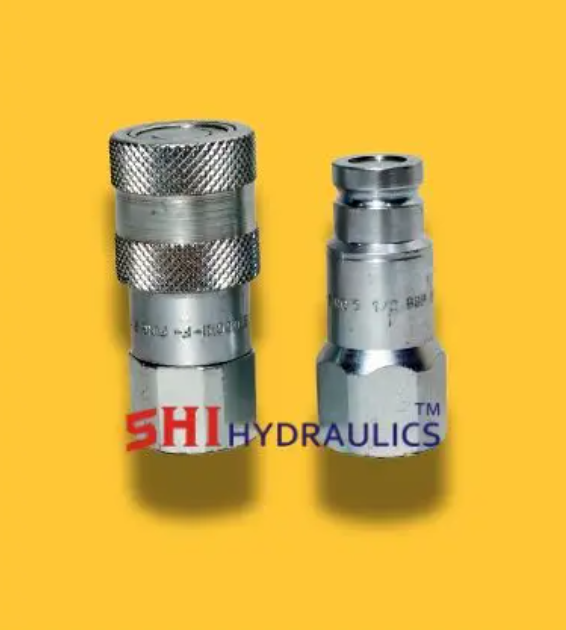
A quick release coupling is a versatile connector designed to be quickly and easily disassembled and reassembled in hose, pipe, tubing or in water transfer applications These couplings are commonly used in a variety of industries, including automotive , including construction and agriculture, where water management is important ### Special Features: 1. **FAST OPERATION**: Quick release couplings provide fast connection and disconnection, resulting in less downtime when servicing or replacing equipment. 2. **User-friendly design**: Typically featuring a simple push-pull or latch mechanism, these couplings can be operated with one hand, making them simple and efficient. 3. **Versatility**: Available in a variety of sizes and materials, quick release couplings can handle a variety of fluids including water, oil and air, making them suitable for a wide range of applications. 4. **Leak-Proof Seal**: Many early release couplings use O-rings or sealing devices that ensure a safe, leak-proof connection, maintaining system integrity during operation among. 5. **Durability**: Made of durable materials such as copper, stainless steel, or polymers, these couplings are designed to withstand high stresses and harsh environmental conditions , has ensured its long-term effectiveness. Overall, quick-release couplings provide an efficient solution for fluid handling, facilitating easy operation and easy maintenance in industrial and commercial environments

68179d65be22ee500d53ff54 Card 2

product image
manufacturer and tools

Gear Pump for HDD Machines Gear pumps are essential components in hydraulic systems, especially in heavy-duty applications like Horizontal Directional Drilling (HDD) machines. Their robust design, reliability, and consistent performance make them ideal for powering hydraulic functions critical to HDD operations. From driving the hydraulic cylinders to providing the pressure needed for drilling and reaming, gear pumps play a pivotal role in ensuring smooth and efficient performance Gear Pumps for HDD Machines High Efficiency Designed to deliver consistent flow and pressure with minimal energy loss. Compact and Lightweight Easy to integrate into the compact layouts of HDD machines. Robust Construction Made from durable materials like cast iron or aluminum to withstand extreme conditions. Wide Pressure Range Capable of handling high pressures required for demanding HDD tasks. Ease of Maintenance Simple design ensures easy disassembly and servicing. Versatile Fluid Compatibility Suitable for various hydraulic fluids, including biodegradable options. Low Noise Operation Engineered for quiet performance, improving operator comfort. Applications of Gear Pumps in HDD Machines Drilling Operations Provides the hydraulic pressure required to operate the drill head and other tools. Mud Pumping Drives hydraulic systems that pump drilling fluids to cool the drill bit and remove debris. Pipe Handling Systems Powers hydraulic arms and clamps used for handling and aligning pipes. Reaming and Pullback Supplies consistent pressure for reaming and pulling pipes back through drilled holes. Directional Control Supports hydraulic systems responsible for steering and directional adjustments of the drill head. Advantages of Using Gear Pumps for HDD Machines Durability Built to withstand harsh environments, including mud, water, and extreme temperatures. Reliability Provides consistent performance with minimal risk of failure. Cost-Effectiveness Offers a good balance of performance, durability, and affordability. Compact Design Space-saving construction allows for integration into tight machine layouts. Energy Efficiency Delivers high performance with reduced power consumption. Smooth Operation Ensures a steady and uninterrupted hydraulic flow. Material and Construction Housing Typically made from cast iron, steel, or aluminum for strength and corrosion resistance. Gears Precision-engineered gears made of hardened steel for durability and wear resistance. Seals and Bearings High-quality seals prevent fluid leakage, while robust bearings ensure smooth gear rotation. Mounting Configurations Available in various mounting options to suit different HDD machine designs. Selecting the Right Gear Pump for HDD Machines Flow Rate Choose a pump with the appropriate flow rate to match your system’s requirements. Pressure Rating Ensure the pump can handle the operating pressure of your HDD machine. Size and Weight Select a compact and lightweight model for ease of integration. Material Compatibility Ensure the pump materials are compatible with the hydraulic fluid used in your system. Environmental Conditions Opt for a pump designed to operate reliably in the specific conditions of your HDD project. Maintenance Tips for Gear Pumps in HDD Machines Regular Inspection Check for wear, leaks, and unusual noises to identify potential issues early. Fluid Quality Use clean, compatible hydraulic fluids to prevent contamination and damage. Seal Replacement Periodically replace seals to maintain performance and prevent leaks. Monitor Operating Conditions Avoid overloading the pump beyond its rated pressure and flow limits. Scheduled Servicing Follow the manufacturer’s maintenance schedule for optimal performance and longevity. Innovations in Gear Pumps for HDD Machines High-Efficiency Models New designs reduce energy consumption while maintaining high performance. Advanced Materials Use of composite materials for improved wear resistance and reduced weight. Integrated Monitoring Systems Sensors for real-time monitoring of pressure, temperature, and flow. Eco-Friendly Designs Compatibility with biodegradable hydraulic fluids to minimize environmental impact. Why Choose Gear Pumps for HDD Machines? Proven Performance Trusted by HDD professionals worldwide for their reliability and efficiency. Adaptability Wide range of models to suit various HDD machine requirements. Ease of Maintenance Simple design reduces downtime and maintenance costs. Global Availability Widely available with comprehensive support from manufacturers and distributors.

68179d65be22ee500d53ff54 Card 2

product image
manufacturer and tools

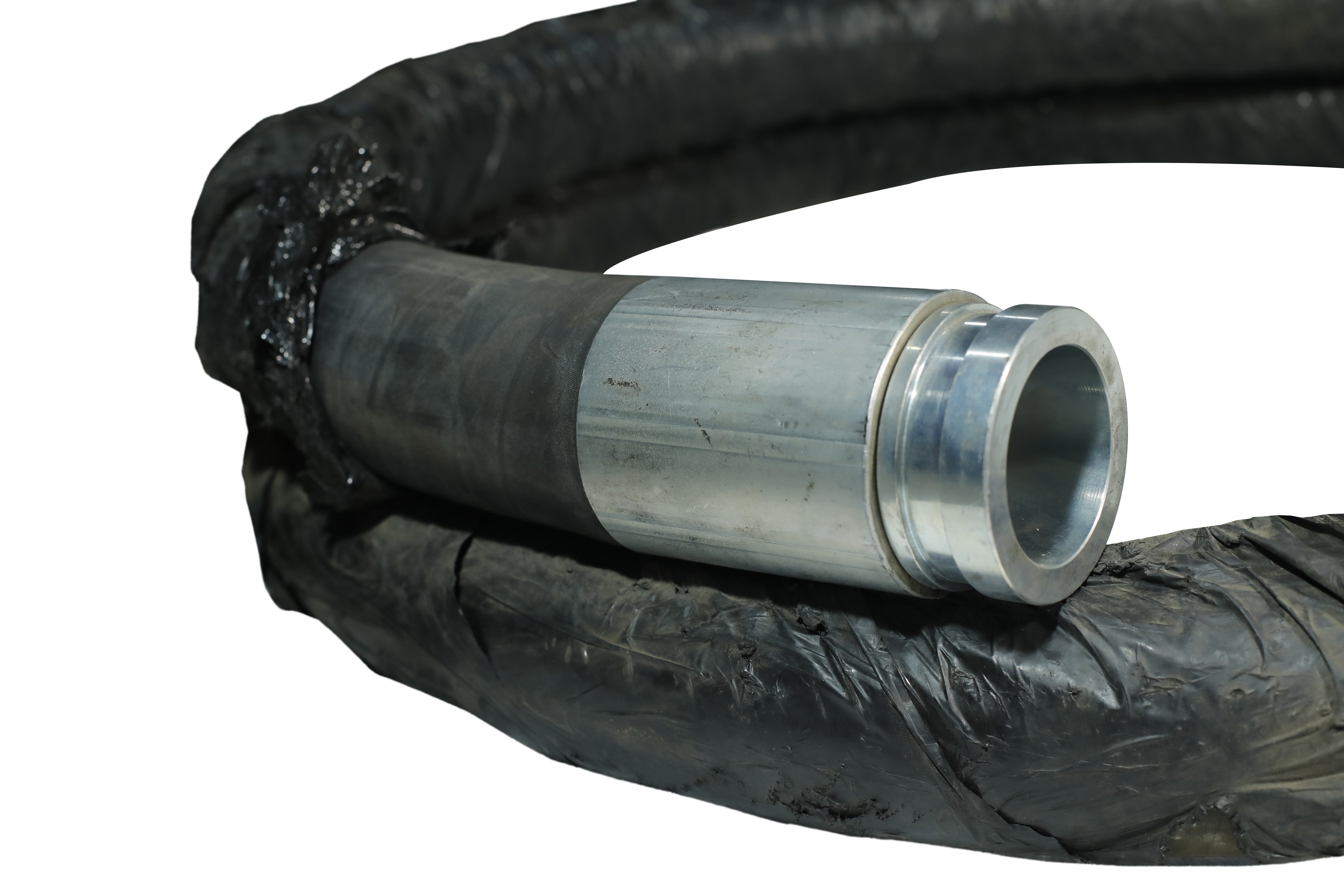
Concrete Hose Description A concrete hose is a heavy-duty, flexible hose designed for transporting and placing concrete in construction projects. It is commonly used with concrete pumps to deliver wet concrete to hard-to-reach areas, such as high-rise buildings, foundations, and tunnels. Features of a Concrete Hose Durability – Made of reinforced rubber or synthetic materials to withstand high-pressure pumping and abrasive concrete mixtures. Flexibility – Allows easy maneuverability around job sites for precise concrete placement. High-Pressure Resistance – Designed to handle the high pressures generated by concrete pumps. Abrasion Resistance – Inner lining is typically made of wear-resistant rubber to withstand continuous flow of rough materials. Steel or Textile Reinforcement – Some hoses are reinforced with steel wire or textile braids for added strength and longevity. Various Sizes and Lengths – Available in different diameters and lengths to suit different pumping applications. Common Applications Building Foundations – Used to deliver concrete to deep and narrow spaces. High-Rise Construction – Essential for pumping concrete to upper floors. Tunnels and Bridges – Helps in pouring concrete in challenging locations. Road Construction – Used for pouring concrete in pavements and highways.

68179d65be22ee500d53ff54 Card 2

product image
manufacturer and tools

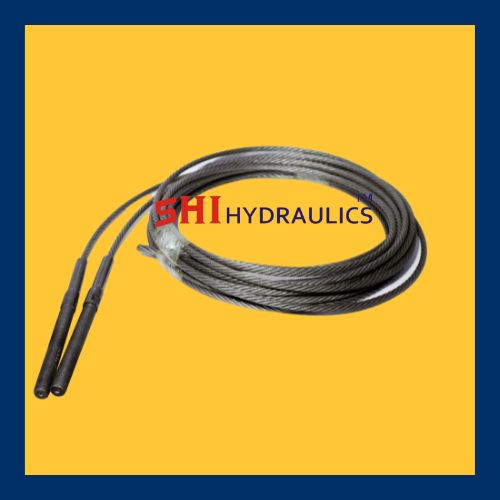
A wire rope is a strong, flexible, and durable cable made from multiple strands of steel or other metal wires twisted together around a central core. It is widely used for lifting, hoisting, towing, and securing heavy loads in industries such as construction, marine, mining, and transportation. Components of Wire Rope Wires – Individual metal strands, typically made of steel or stainless steel, providing strength and flexibility. Strands – Groups of wires twisted together to form the rope’s outer structure. Core – The central support structure, which can be made of fiber (for flexibility), steel (for strength), or synthetic materials. Key Features High Strength – Capable of handling heavy loads and high-tension applications. Flexibility – Designed to bend around pulleys and sheaves without breaking. Abrasion Resistance – Some ropes are galvanized or coated for extra protection against wear and corrosion. Fatigue Resistance – Engineered to withstand repeated bending and stress. Common Types of Wire Rope Galvanized Wire Rope – Coated with zinc for corrosion resistance. Stainless Steel Wire Rope – Highly resistant to rust, ideal for marine and chemical environments. Compacted Wire Rope – Stronger and smoother due to compressed strands. Rotation-Resistant Wire Rope – Designed for lifting applications where load twisting must be minimized. Common Applications Cranes and Hoists – Used in construction and industrial lifting. Marine and Fishing – Essential for ship rigging, mooring, and trawling. Mining and Oil Industry – Used for drilling, winches, and lifting equipment. Bridges and Suspension Systems – Provides structural support in suspension bridges and cable-stayed structures.

68179d65be22ee500d53ff54 Card 2

product image
manufacturer and tools

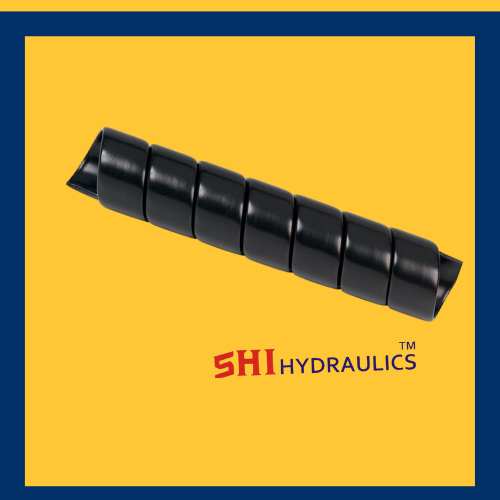
A hose sleeve is a protective covering designed to shield hoses from external damage, abrasion, heat, and environmental factors. It enhances the durability and safety of hydraulic, pneumatic, and industrial hoses used in various applications. Key Features of a Hose Sleeve Abrasion Resistance – Prevents wear and tear caused by friction, rough surfaces, or other hoses. Heat Protection – Some sleeves are made of heat-resistant materials to protect hoses from extreme temperatures. Flexibility – Allows hoses to bend and move while maintaining protection. Chemical and UV Resistance – Shields hoses from chemicals, oil, water, and UV radiation. Easy Installation – Can be wrapped around existing hoses or slid onto hoses during assembly. Enhanced Safety – Helps prevent hose bursts, reducing the risk of injury and equipment damage. Common Types of Hose Sleeves Textile Hose Sleeves – Made from woven nylon or polyester for lightweight and flexible protection. Spiral Hose Sleeves – Durable plastic or rubber spiral wrap for impact resistance and bundling multiple hoses. Heat-Resistant Hose Sleeves – Fiberglass or silicone-coated sleeves for high-temperature applications. Fire-Resistant Hose Sleeves – Designed to withstand fire and extreme heat exposure. Common Applications Hydraulic and Pneumatic Systems – Protects hoses in heavy machinery and industrial equipment. Automotive and Aerospace – Used in fuel and brake lines to prevent abrasion and heat damage. Construction and Agriculture – Shields hoses from harsh environments and debris. Oil & Gas Industry – Protects high-pressure hoses from extreme conditions and chemicals.

68179d65be22ee500d53ff54 Card 2

product image
manufacturer and tools

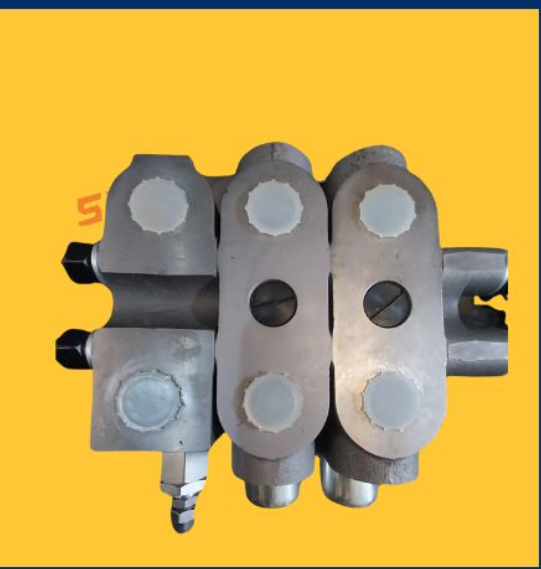
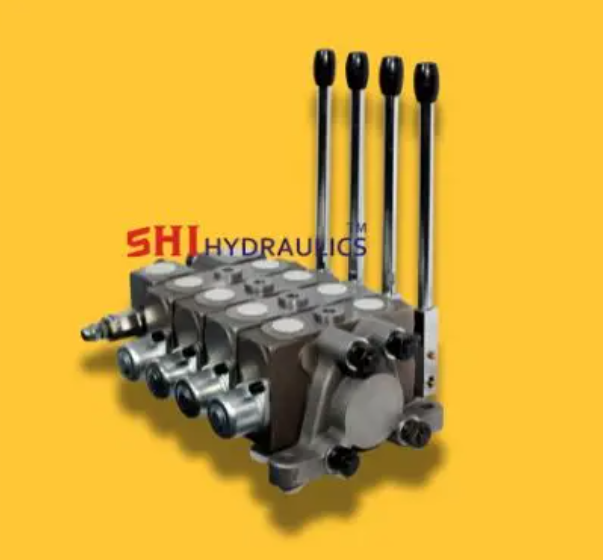
A control valve is a mechanical device used to regulate the flow, pressure, temperature, or level of a fluid (liquid, gas, or steam) within a system. It operates by varying the size of the flow passage in response to a control signal, ensuring precise process control in industries such as oil & gas, power generation, water treatment, and manufacturing. Key Components of a Control Valve Valve Body – The main casing that houses the internal components and provides a passage for fluid flow. Actuator – The mechanism (pneumatic, electric, or hydraulic) that moves the valve to adjust flow. Valve Plug or Disc – The movable part that regulates the flow by opening, closing, or throttling the passage. Stem – Connects the actuator to the valve plug for movement control. Positioner (Optional) – Ensures precise control by adjusting the actuator’s position based on control signals. Types of Control Valves Globe Valve – Provides accurate flow control with a linear motion plug. Ball Valve – Uses a rotating ball with a hole to control fluid flow, offering quick shut-off. Butterfly Valve – Features a rotating disc for efficient flow regulation in large pipes. Diaphragm Valve – Utilizes a flexible diaphragm to control flow, ideal for corrosive fluids. Needle Valve – Designed for fine flow adjustments in small-diameter pipelines. Pressure Relief Valve – Prevents overpressure by releasing excess fluid when necessary. Common Applications Industrial Process Control – Regulates flow and pressure in chemical, power, and manufacturing plants. Water Treatment – Controls water distribution and filtration processes. Oil & Gas Industry – Used in pipelines, refineries, and offshore drilling operations. HVAC Systems – Manages heating, cooling, and ventilation flow rates. Pharmaceutical & Food Processing – Ensures precise flow control for hygiene and efficiency.

68179d65be22ee500d53ff54 Card 2

product image
manufacturer and tools

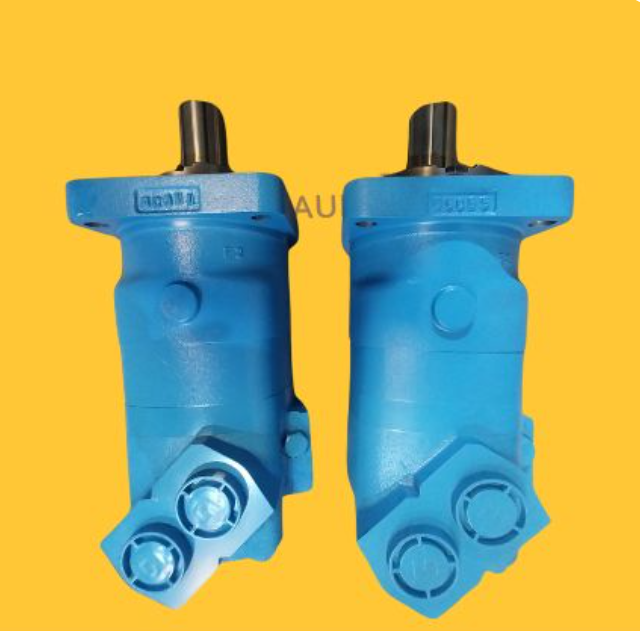
Danfoss is a well-known manufacturer of electric motors, including AC and DC motors, typically used in industrial automation, HVAC systems, and various other applications. Their motors are known for their high efficiency, durability, and compatibility with Danfoss drives and controllers. Key Features of Danfoss Motors: High Efficiency: Danfoss motors comply with energy efficiency standards like IE2, IE3, and IE4, ensuring reduced power consumption. Robust Design: Built for demanding environments, including extreme temperatures, vibrations, and heavy loads. Compatibility: Designed to work seamlessly with Danfoss VLT and VACON drives for optimal performance. Low Noise & Vibration: Many models come with noise-reduction technology, making them ideal for noise-sensitive environments. Wide Application Range: Used in HVAC, water and wastewater management, marine, food processing, and industrial automation. Advanced Cooling Mechanisms: Some models feature integrated cooling systems for enhanced heat dissipation. Customizable Options: Available in various power ratings, voltages, and configurations to suit specific industrial needs.

68179d65be22ee500d53ff54 Card 2

product image
manufacturer and tools

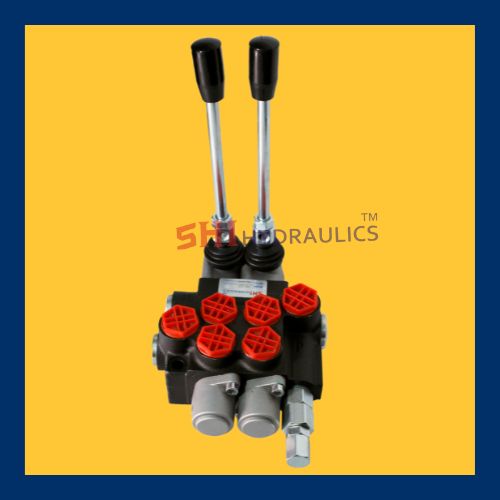
HDD (Horizontal Directional Drilling) valves are specialized components used in drilling operations to control fluid flow, pressure, and drilling mud circulation. These valves play a crucial role in managing the drilling process, ensuring efficient operation and preventing blowouts or fluid loss. Types of HDD Valves: Mud Valves – Control the flow of drilling mud, preventing blockages and ensuring smooth circulation. Check Valves – Prevent backflow of fluids, protecting the drilling equipment from contamination or damage. Gate Valves – Regulate or shut off fluid flow within the drilling system. Relief Valves – Prevent overpressure situations by releasing excess pressure in the system. Ball Valves – Provide quick on/off control of drilling fluids with minimal resistance. Functions of HDD Valves: Control drilling fluid pressure and flow. Prevent drilling mud loss or contamination. Ensure safe and efficient drilling operations. Protect the downhole tools and pipeline from excessive pressure.

68179d65be22ee500d53ff54 Card 2

product image
manufacturer

Air Conditioning Hose An air conditioning (AC) hose is an integral part of any vehicle or building’s air conditioning system, responsible for transporting refrigerant and ensuring the system operates effectively. Designed to handle high-pressure and high-temperature conditions, these hoses ensure the seamless circulation of refrigerant between the compressor, condenser, evaporator, and expansion valve. This description delves into the features, types, materials, benefits, applications, and maintenance of air conditioning hoses, highlighting their importance in modern climate control systems. Key Features of Air Conditioning Hoses Durability Constructed to withstand extreme pressures and temperatures, AC hoses are robust and reliable. Flexibility Flexible construction allows these hoses to be routed through tight and complex spaces without compromising performance. Pressure Resistance Designed to handle high refrigerant pressures, ensuring safe and efficient operation. Chemical Compatibility Resistant to refrigerants, oils, and other chemicals commonly used in AC systems. Temperature Resistance Capable of enduring both high and low temperatures, ensuring functionality in diverse climates. Types of Air Conditioning Hoses Barrier Hoses Equipped with an inner layer that prevents refrigerant permeation, ensuring system efficiency and environmental compliance. Non-Barrier Hoses Older hose types without a permeation barrier, now less common due to stricter environmental regulations. Reduced Barrier Hoses Compact and lightweight, these hoses offer the same performance as barrier hoses while saving space and weight. Rubber Hoses Made from durable rubber compounds, often reinforced with braided fibers or steel for added strength. Thermoplastic Hoses Constructed from advanced polymers, providing excellent flexibility and resistance to refrigerants and heat. Metal Braided Hoses Feature a metal braid for enhanced durability in high-pressure applications. Materials Used in Air Conditioning Hoses Synthetic Rubber Provides flexibility, durability, and resistance to refrigerants and oils. Nylon or Polyester Barrier Layers Prevent refrigerant leakage and improve system efficiency. Reinforcement Layers Braided fibers or steel reinforcement enhance strength and pressure resistance. Outer Coverings Protective layers shield the hose from abrasion, UV rays, and environmental wear. Benefits of Air Conditioning Hoses Efficient Refrigerant Flow Ensures the proper circulation of refrigerant for optimal cooling performance. System Longevity Durable construction reduces wear and tear, extending the lifespan of the AC system. Environmentally Friendly Modern hoses minimize refrigerant leakage, reducing environmental impact. Versatility Compatible with a variety of refrigerants, including R-134a and newer eco-friendly options like R-1234yf. Safety Designed to handle high pressures, preventing system failures and ensuring safe operation.

Phone Number

08048032162

Please keep 0 before dialling the number.

Email Address sonuhosepipe@gmail.com

Mon-Thu: 10 AM - 2 PM • Fri: 3 PM - 7AM

Other Website Visit our other website
Address Noida , Gautam Buddha Nagar , Meerut Division

Noida, India, 201301