Mumbai
08045134735
+919311288288

Items tagged with 'function seals'

68179d65be22ee500d53ff54 Card 2

product image
manufacturer and tools

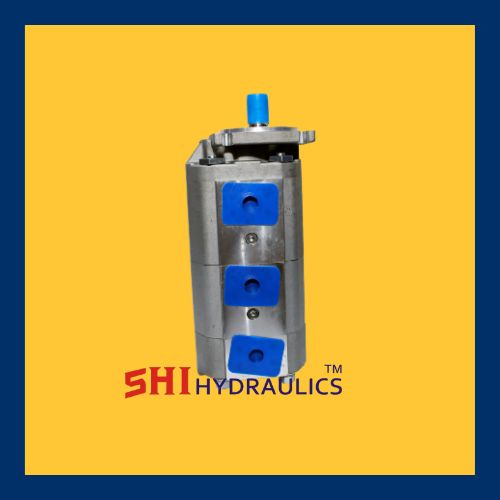
HDD Gear Pump, which is a critical component in Horizontal Directional Drilling (HDD) rigs for powering hydraulic circuits. ⚙️ HDD Gear Pump �� 1. What is an HDD Gear Pump? An HDD Gear Pump is a hydraulic pump that uses the meshing of gears to pump hydraulic fluid through the system. It's used in HDD rigs to drive key hydraulic functions like: Thrust/Pullback Drill head rotation Clamp and vise control Pipe loader arm Mud pump drive These pumps are chosen for their reliability, simplicity, and high-pressure capability. �� 2. Construction Details: Component Material Function Housing Cast iron or aluminum Contains the gear assembly Gears Steel (surface-hardened) Create suction/discharge action Bearings/Bushings Bronze or anti-friction steel Support rotating gears Seals/O-rings Nitrile or Viton Prevent internal & external leakage ⚙️ 3. Working Principle: Two gears (driving and driven) rotate inside the housing. Fluid is drawn into the pump at the inlet, carried around the gear teeth in chambers, and pushed out through the outlet. The tight clearances between components prevent backflow. �� 4. Technical Specifications: Parameter Typical Range Flow Rate 10–150 L/min (2.5–40 GPM) Working Pressure 150–300 bar (2200–4500 psi) Displacement 5–60 cc/rev Speed Range 1000–3500 RPM Temperature Range -20°C to +100°C Mounting SAE flange, European standard (2 or 4-bolt) Drive Keyed shaft or spline ��️ 5. Features & Benefits: High volumetric efficiency Simple and robust design Compact size and easy mounting Suitable for continuous duty cycles Low maintenance compared to piston pumps Handles dirty or abrasive hydraulic oils better than more complex pumps �� 6. Common Applications in HDD Rigs: System Pump Role Drill rotation Powering hydraulic motors for the drill head Pullback/thrust Moving hydraulic cylinders for pushing/pulling rods Clamp/Vise system Opening and closing the pipe holder Mud mixing or pumping (auxiliary) Powering hydraulic-driven mud pumps �� 7. Top Brands & Models: Parker Gear Pumps (PGP series) Eaton/Char-Lynn Casappa (Kappa or Polaris series) �� HDD Track Motor – Overview�� Function: Powers the caterpillar tracks (undercarriage) of an HDD rig. Allows the rig to move across job sites, especially in rough terrain. Usually hydraulically driven, controlled via the machine's onboard system. ⚙️ Components: Hydraulic Motor: Converts hydraulic fluid pressure into mechanical torque. Usually a radial piston or orbital motor for high torque at low speed. Planetary Gearbox: Reduces speed and increases torque output. Designed for heavy-duty use in mobile machinery. Brake System: Often a built-in spring-applied, hydraulically released brake. Prevents movement when the machine is idle or off. Mounting Flange & Sprocket: Connects directly to the track sprocket, enabling motion transfer to tracks. ✅ Key Features: High torque output Compact design for integration into the track frame Sealed and weather-resistant for outdoor use Built for shock loads and heavy-duty cycles �� Applications: Horizontal Directional Drilling Rigs (Vermeer, Ditch Witch, etc.) Pipeline and trenchless installations Other crawler-based construction machinery �� Specifications (typical range): Spec Value Flow Rate 60–200 L/min Max Pressure 300–450 bar Torque 3000–15000 Nm Speed Range 0–50 RPM If you need: A part number cross-reference (for a brand like Vermeer or Ditch Witch) A spare parts diagram Hydraulic circuit showing the track motor's role Or help identifying one from a machine

68179d65be22ee500d53ff54 Card 2

product image
manufacturer and tools

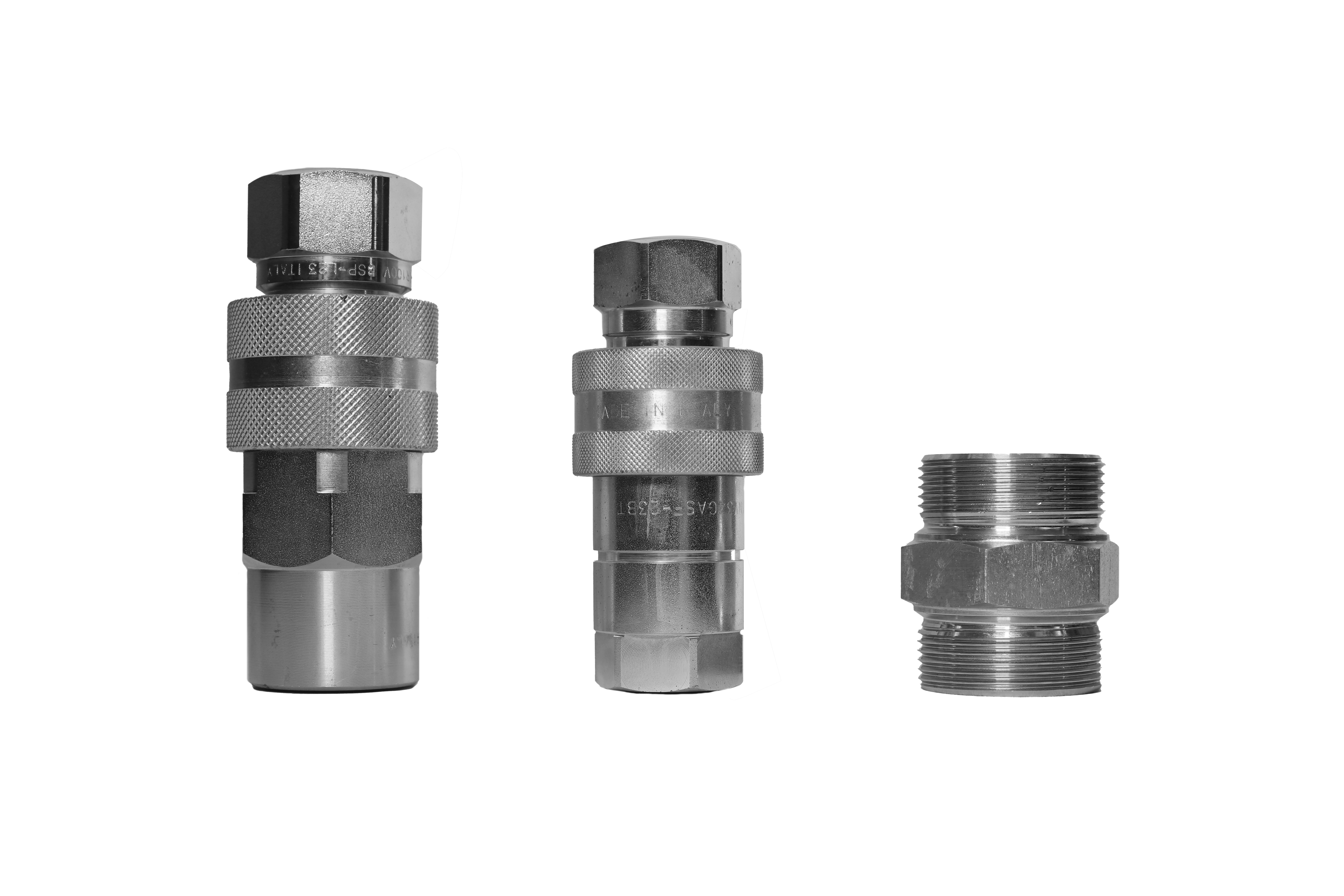
Hydraulic Adaptors Hydraulic Adaptors Manufacture in Delhi at Sonu Hose Pipe. Adaptor is a mechanical component designed to connect two incompatible parts, allowing seamless integration in various systems. Adaptors are widely used in hydraulic, pneumatic, electrical, and mechanical applications to modify connections, facilitate compatibility, or improve performance. Types of Adaptors Hydraulic Adaptors – Used in fluid power systems to connect hoses, pipes, or fittings with different sizes, threads, or sealing methods. Pneumatic Adaptors – Allow the connection of air hoses and components with varying diameters or thread types. Electrical Adaptors – Convert plug types, voltages, or signal formats for compatibility between different devices. Mechanical Adaptors – Enable the attachment of mismatched shafts, gears, or couplings in machinery and equipment. Key Components Body – Typically made from durable materials like steel, brass, aluminum, or plastic, depending on the application. Threaded Ends or Couplings – Allow secure connections to other components. Seals and Gaskets – Prevent leaks in fluid or air systems. Locking Mechanism – Provides stability in high-pressure or high-vibration environments. Functions & Applications ✔ Size Conversion – Enables the connection of components with different diameters or specifications. ✔ Thread Type Adaptation – Connects male-to-female or metric-to-imperial thread systems. ✔ Angle Adjustment – Provides 90-degree or swivel connections for flexible hose routing. ✔ Material Compatibility – Prevents corrosion or contamination by using the appropriate materials for different environments. ✔ Performance Enhancement – Improves flow rates, pressure resistance, or electrical conductivity. Industries & Uses Hydraulic & Pneumatic Systems – In industrial machinery, automotive, and heavy equipment. Oil & Gas – Used in high-pressure fluid handling applications. Aerospace & Marine – Ensures secure connections in high-performance environments. Electrical Engineering – Converts or modifies connections in power and signal transmission. Advantages of Adaptors ✅ Improves system compatibility and flexibility ✅ Enhances durability and longevity of connections ✅ Reduces downtime and maintenance costs ✅ Provides a reliable and leak-proof connection ✅ Available in various sizes, materials, and configurations

68179d65be22ee500d53ff54 Card 2

product image
Control Valve

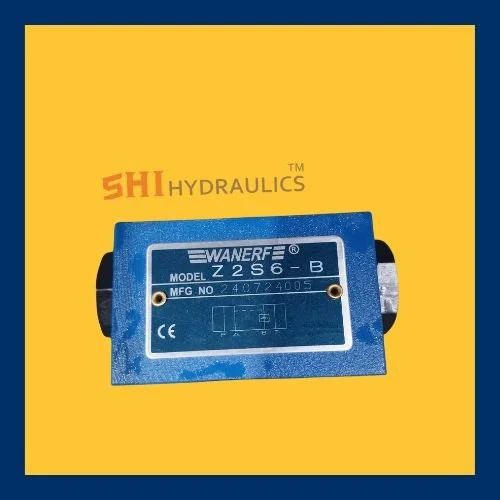
Wanref Control Valve at Sonu Hose Pipe Sonu Hose Pipe offers high-performance Wanref Control Valves, designed to deliver precise fluid control and enhance the operational efficiency of hydraulic and pneumatic systems. These advanced control valves are known for their exceptional reliability, durability, and versatility in regulating the flow and pressure of fluids in various applications. Whether used in industrial machinery, construction, or agricultural equipment, Wanref control valves from Sonu Hose Pipe are engineered to perform optimally even in the most demanding environments. It looks like you’re asking about a Waneref Control Valve, but I couldn’t find specific details on this brand or type. Could you clarify whether "Waneref" is a brand, model, or a specific type of control valve used in a particular application? If you're looking for general information on Control Valves, I can provide a detailed description covering their types, functions, applications, and benefits. Let me know how you'd like to proceed! Key Features: Precise Flow and Pressure Control: Wanref control valves are designed to provide fine control over fluid flow and pressure, ensuring that your systems operate efficiently and safely. Durable Construction: Manufactured using high-quality materials such as stainless steel, brass, and other corrosion-resistant alloys, these valves are built to withstand harsh conditions and high-pressure environments. Versatile Design: Wanref control valves are available in a wide range of configurations, offering flexibility to meet the specific requirements of various hydraulic and pneumatic systems. Leak-Free Performance: With high-quality seals and precision engineering, these valves prevent fluid leaks, contributing to greater system reliability and reducing the risk of fluid loss. High Pressure and Temperature Resistance: These control valves are designed to function optimally even under extreme pressure and temperature conditions, making them ideal for use in challenging environments. Compact and Efficient: Designed for ease of installation and maintenance, Wanref control valves have a compact footprint that helps conserve space without compromising on performance. Long-Lasting: With their robust design and durable materials, Wanref control valves provide long-term reliability and reduced maintenance costs. Types of Wanref Control Valves: Flow Control Valves: Used to regulate the flow of fluids in a hydraulic or pneumatic system, these valves help ensure that the correct amount of fluid reaches various components, enhancing system efficiency and preventing damage. Pressure Control Valves: These valves maintain a constant pressure level within the system by releasing excess pressure or restricting flow as necessary, preventing overpressure situations and protecting sensitive equipment. Directional Control Valves: Designed to control the direction of fluid flow, these valves are essential for managing the movement of fluids within a system, whether in a forward or reverse direction. Check Valves: Wanref check valves prevent backflow in a system, allowing fluid to flow in one direction only, which is crucial for maintaining the efficiency and integrity of hydraulic circuits. Ball and Gate Valves: Known for their reliable performance and ease of operation, ball and gate valves from Wanref are designed for fast and efficient opening and closing of fluid pathways in high-pressure systems. Applications: Industrial Machinery: Wanref control valves are essential for regulating the fluid flow in machines used in manufacturing, metalworking, and automation, ensuring smooth operation and system protection. Construction Equipment: In excavators, cranes, and loaders, these valves help control hydraulic fluid flow to various system components, optimizing the performance of construction machinery. Agricultural Equipment: Used in tractors, harvesters, and irrigation systems, Wanref control valves ensure that hydraulic systems operate efficiently and reliably during agricultural operations. Automotive & Transport: Wanref valves play a crucial role in hydraulic steering, braking systems, and suspension systems in vehicles, ensuring safe and efficient operation. Oil & Gas Industry: In exploration and drilling applications, Wanref control valves regulate the flow of drilling fluids, preventing overpressure and ensuring the smooth operation of equipment under high-stress conditions. Why Choose Sonu Hose Pipe Wanref Control Valves? Superior Performance: Sonu Hose Pipe’s Wanref control valves provide precision control, ensuring that your system operates at its peak efficiency, minimizing energy consumption and maximizing output. Exceptional Durability: Designed with the harshest conditions in mind, these valves are built to last, providing long-term reliability and minimizing the need for replacements or repairs.

68179d65be22ee500d53ff54 Card 2

product image
Control Valve

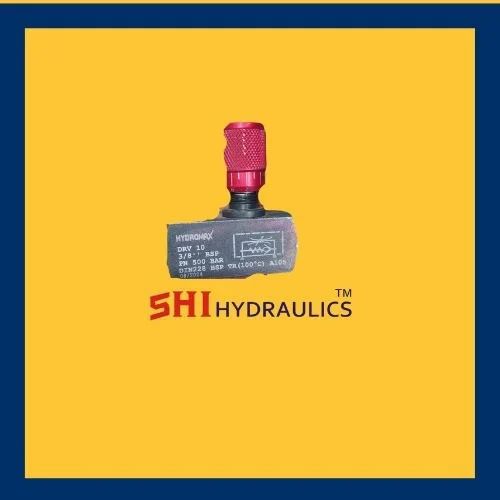
Flow Control Valve at Sonu Hose Pipe Overview: Sonu Hose Pipe offers a wide range of high-quality Flow Control Valves designed to regulate the flow of hydraulic or pneumatic fluids within your system. These valves are essential in ensuring that fluid flows at a precise rate, optimizing performance and maintaining safe operational levels in hydraulic circuits. Whether you’re working in construction, manufacturing, agriculture, or automotive industries, Sonu’s flow control valves are built to provide accuracy and efficiency in fluid management. Valve Size 3/8 Inch Material Stainless Steel End Connection Type Flanged Automation Grade Manual Media Air A flow control valve is a type of valve used in hydraulic and pneumatic systems to regulate the flow rate of fluid (either liquid or gas) through the system. By controlling the flow rate, these valves help maintain the desired speed of actuators, such as hydraulic cylinders or motors, ensuring proper operation of the system. Flow control valves are essential for maintaining stability, accuracy, and efficiency in various industrial applications. Key Features: Precise Flow Regulation: Sonu flow control valves are engineered to deliver accurate and consistent control over fluid flow, ensuring the optimal operation of your hydraulic or pneumatic systems. Durable Construction: Made from high-strength materials such as steel, stainless steel, and aluminum, these valves are designed to endure demanding environments, providing long-lasting durability and performance. Wide Range of Flow Control Options: Available in various configurations including manual, adjustable,, allowing you to choose the perfect solution based on your specific application requirements. High Pressure and Temperature Resistance: Sonu flow control valves are built to handle high pressure and temperature conditions, ensuring reliable operation in even the harshest industrial environments. Leak-Free and Secure Operation: Our valves are designed with precision seals and high-quality materials to prevent leaks and ensure the consistent, leak-free flow of fluids. Compact and Space-Saving Design: Designed with a compact footprint, Sonu flow control valves fit seamlessly into tight spaces, helping streamline your system and saving valuable space. Types of Flow Control Valves: Manual Flow Control Valves: These valves allow operators to adjust the flow rate manually, providing flexibility and ease of use for systems requiring operator-controlled flow adjustments. Adjustable Flow Control Valves: These valves feature adjustable knobs or screws to fine-tune the flow rate, giving users the ability to precisely control fluid movement according to specific system needs. Pressure Compensated Flow Control Valves: These advanced valves automatically adjust the flow rate to maintain consistent operation, even under varying pressure conditions, ensuring steady flow in high-demand applications. Non-Return Flow Control Valves: Used to prevent fluid from flowing back into the system, these valves ensure that fluid moves in only one direction, enhancing system efficiency and preventing reverse flow. Bypass Flow Control Valves: These valves regulate the flow by redirecting fluid to a bypass when the system exceeds a certain pressure, helping to protect sensitive components from damage. Applications: Hydraulic Systems: In hydraulic systems such as construction machinery, forklifts, and presses, flow control valves regulate the speed and movement of actuators, cylinders, and motors. Pneumatic Systems: Flow control valves are used in pneumatic systems in industries such as packaging, automation, and material handling to regulate air flow and ensure proper functioning of pneumatic tools and devices. Industrial Machinery: Flow control valves play a crucial role in controlling fluid flow in machinery used for metalworking, assembly lines, and automated processes, ensuring smooth operations. Automotive and Transport Systems: In vehicles and transport systems, these valves regulate hydraulic systems for steering, brakes, and suspension to ensure safe and reliable performance. Why Choose Sonu Hose Pipe Flow Control Valves? Precision Control: Sonu’s flow control valves provide accurate, adjustable flow regulation to meet the precise needs of your system, improving overall efficiency and performance. Reliability and Durability: Built with high-quality materials, these valves are designed to withstand extreme operating conditions, ensuring long-lasting and reliable operation. Versatility: With a wide range of models and customizable options, our flow control valves are ideal for a variety of applications, from small machines to large-scale industrial systems. Enhanced System Performance: By accurately regulating flow rates, these valves help improve the performance of hydraulic and pneumatic systems, enhancing their efficiency and longevity.

68179d65be22ee500d53ff54 Card 2

product image
manufacturer and tools

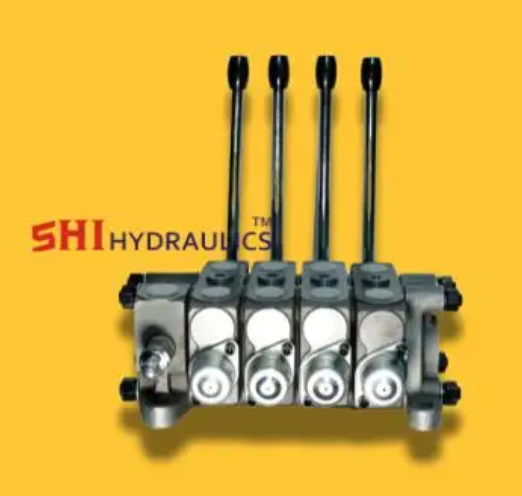
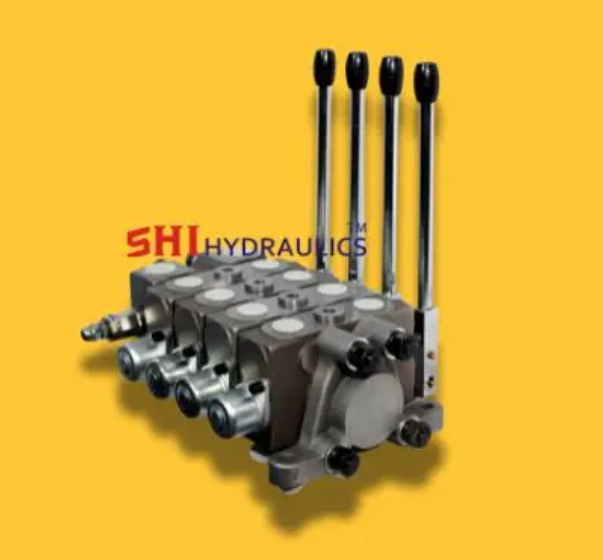
Monoblock Valve: A Comprehensive Overview A Monoblock valve is a type of hydraulic valve that is designed as a single, compact unit. It plays a crucial role in controlling the flow, Design and Structure of a Monoblock Valve The primary characteristic of a Monoblock valve is its monoblock construction, where multiple valve functions Monoblock valves typically Valve Body: The main housing that contains the valve’s internal components and channels. It is usually machined from a single piece of metal. Control Spools or Ball Mechanisms: These components control the flow direction and the opening Ports: The inlet and outlet ports that allow hydraulic fluid to enter and exit the valve. These ports are typically designed for high-pressure environments. Spring or Actuator Mechanism: Some block valves are spring-loaded, while others use solenoids or hydraulic actuators to control the valve’s movement and function. Seals and O-rings: These ensure that there are no leaks between the internal components, maintaining the integrity of the hydraulic fluid system. Working Principle of a Monoblock Valve Flow Control: The valve’s internal mechanism, such as a spool or ball, Pressure Relief: Many monoblock valves include integrated pressure relief features. Direction Control: Monoblock valves can also control the direction of fluid flow. For example, a directional control valve in a monoblock Types of Monoblock Valves Monoblock valves come in various types, each designed for specific tasks within a hydraulic system. The most common types include: Directional Control Valves: These valves control the direction of the hydraulic fluid. They are used to change the flow direction, Flow Control Valves: Flow control valves regulate the flow rate of the hydraulic fluid in a system. conditions. Pressure Relief Valves: These valves are designed to maintain a preset maximum pressure in the hydraulic system. When the system’s pressure exceeds the set limit, Check Valves: Check valves allow fluid to flow in one direction only, Combination Valves: Some monoblock valves combine multiple valve functions into a single unit, such as a directional control valve with built-in pressure relief and flow control. Advantages of Monoblock Valves Compact Design: One of the primary advantages of Monoblock valves is their compact design. Since all components are integrated into a single unit, Ease of Installation: The single-unit design of Monoblock valves simplifies installation. Cost-Effectiveness: Monoblock valves are generally more cost-effective than traditional valves that require multiple parts. Reduced Leak Points: With fewer parts and integrated construction, Improved Performance: The integration of multiple valve functions into a single unit reduces the number of components that could potentially fail, Applications of Monoblock Valves Monoblock valves are used in a wide range of applications across various industries, including: Construction Machinery: Monoblock valves are used in construction equipment like excavators, loaders, and backhoes to control the movement of hydraulic cylinders and motors. Agricultural Equipment: In agriculture, Monoblock valves control the operation of hydraulic systems in tractors, combine harvesters, and other farm machinery. Industrial Automation: These valves are widely used in industrial machines and production lines for controlling fluid flow to actuators, which is essential in automation processes. Mobile Equipment: Monoblock valves are commonly found in mobile machinery like cranes, forklifts, and material handling systems, where they manage the hydraulic flow for various operations. Automotive Systems: Monoblock valves are used in automotive applications, such as power steering systems and lifting mechanisms in heavy-duty vehicles. Conclusion Monoblock valves are essential components in hydraulic systems, offering a compact, cost-effective, and reliable solution for controlling fluid flow, pressure, and direction. Their integrated design minimizes installation time

68179d65be22ee500d53ff54 Card 2

product image
manufacturer and tools

Monoblock Valve: A Comprehensive Overview A Monoblock valve is a type of hydraulic valve that is designed as a single, compact unit. It plays a crucial role in controlling the flow, Design and Structure of a Monoblock Valve The primary characteristic of a Monoblock valve is its monoblock construction, where multiple valve functions Monoblock valves typically Valve Body: The main housing that contains the valve’s internal components and channels. It is usually machined from a single piece of metal. Control Spools or Ball Mechanisms: These components control the flow direction and the opening Ports: The inlet and outlet ports that allow hydraulic fluid to enter and exit the valve. These ports are typically designed for high-pressure environments. Spring or Actuator Mechanism: Some block valves are spring-loaded, while others use solenoids or hydraulic actuators to control the valve’s movement and function. Seals and O-rings: These ensure that there are no leaks between the internal components, maintaining the integrity of the hydraulic fluid system. Working Principle of a Monoblock Valve Flow Control: The valve’s internal mechanism, such as a spool or ball, Pressure Relief: Many monoblock valves include integrated pressure relief features. Direction Control: Monoblock valves can also control the direction of fluid flow. For example, a directional control valve in a monoblock Types of Monoblock Valves Monoblock valves come in various types, each designed for specific tasks within a hydraulic system. The most common types include: Directional Control Valves: These valves control the direction of the hydraulic fluid. They are used to change the flow direction, Flow Control Valves: Flow control valves regulate the flow rate of the hydraulic fluid in a system. conditions. Pressure Relief Valves: These valves are designed to maintain a preset maximum pressure in the hydraulic system. When the system’s pressure exceeds the set limit, Check Valves: Check valves allow fluid to flow in one direction only, Combination Valves: Some monoblock valves combine multiple valve functions into a single unit, such as a directional control valve with built-in pressure relief and flow control. Advantages of Monoblock Valves Compact Design: One of the primary advantages of Monoblock valves is their compact design. Since all components are integrated into a single unit, Ease of Installation: The single-unit design of Monoblock valves simplifies installation. Cost-Effectiveness: Monoblock valves are generally more cost-effective than traditional valves that require multiple parts. Reduced Leak Points: With fewer parts and integrated construction, Improved Performance: The integration of multiple valve functions into a single unit reduces the number of components that could potentially fail, Applications of Monoblock Valves Monoblock valves are used in a wide range of applications across various industries, including: Construction Machinery: Monoblock valves are used in construction equipment like excavators, loaders, and backhoes to control the movement of hydraulic cylinders and motors. Agricultural Equipment: In agriculture, Monoblock valves control the operation of hydraulic systems in tractors, combine harvesters, and other farm machinery. Industrial Automation: These valves are widely used in industrial machines and production lines for controlling fluid flow to actuators, which is essential in automation processes. Mobile Equipment: Monoblock valves are commonly found in mobile machinery like cranes, forklifts, and material handling systems, where they manage the hydraulic flow for various operations. Automotive Systems: Monoblock valves are used in automotive applications, such as power steering systems and lifting mechanisms in heavy-duty vehicles. Conclusion Monoblock valves are essential components in hydraulic systems, offering a compact, cost-effective, and reliable solution for controlling fluid flow, pressure, and direction. Their integrated design minimizes installation time

68179d65be22ee500d53ff54 Card 2

product image
manufacturer and tools

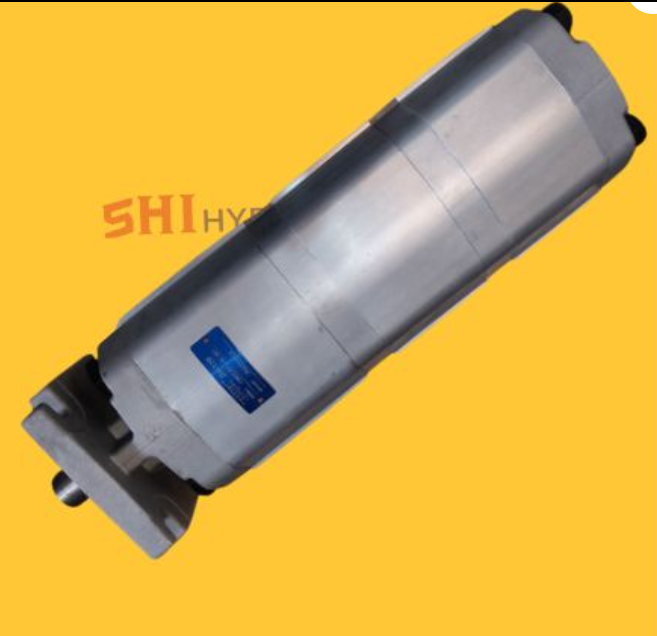
Gear Pump for HDD Machines Gear pumps are essential components in hydraulic systems, especially in heavy-duty applications like Horizontal Directional Drilling (HDD) machines. Their robust design, reliability, and consistent performance make them ideal for powering hydraulic functions critical to HDD operations. From driving the hydraulic cylinders to providing the pressure needed for drilling and reaming, gear pumps play a pivotal role in ensuring smooth and efficient performance Gear Pumps for HDD Machines High Efficiency Designed to deliver consistent flow and pressure with minimal energy loss. Compact and Lightweight Easy to integrate into the compact layouts of HDD machines. Robust Construction Made from durable materials like cast iron or aluminum to withstand extreme conditions. Wide Pressure Range Capable of handling high pressures required for demanding HDD tasks. Ease of Maintenance Simple design ensures easy disassembly and servicing. Versatile Fluid Compatibility Suitable for various hydraulic fluids, including biodegradable options. Low Noise Operation Engineered for quiet performance, improving operator comfort. Applications of Gear Pumps in HDD Machines Drilling Operations Provides the hydraulic pressure required to operate the drill head and other tools. Mud Pumping Drives hydraulic systems that pump drilling fluids to cool the drill bit and remove debris. Pipe Handling Systems Powers hydraulic arms and clamps used for handling and aligning pipes. Reaming and Pullback Supplies consistent pressure for reaming and pulling pipes back through drilled holes. Directional Control Supports hydraulic systems responsible for steering and directional adjustments of the drill head. Advantages of Using Gear Pumps for HDD Machines Durability Built to withstand harsh environments, including mud, water, and extreme temperatures. Reliability Provides consistent performance with minimal risk of failure. Cost-Effectiveness Offers a good balance of performance, durability, and affordability. Compact Design Space-saving construction allows for integration into tight machine layouts. Energy Efficiency Delivers high performance with reduced power consumption. Smooth Operation Ensures a steady and uninterrupted hydraulic flow. Material and Construction Housing Typically made from cast iron, steel, or aluminum for strength and corrosion resistance. Gears Precision-engineered gears made of hardened steel for durability and wear resistance. Seals and Bearings High-quality seals prevent fluid leakage, while robust bearings ensure smooth gear rotation. Mounting Configurations Available in various mounting options to suit different HDD machine designs. Selecting the Right Gear Pump for HDD Machines Flow Rate Choose a pump with the appropriate flow rate to match your system’s requirements. Pressure Rating Ensure the pump can handle the operating pressure of your HDD machine. Size and Weight Select a compact and lightweight model for ease of integration. Material Compatibility Ensure the pump materials are compatible with the hydraulic fluid used in your system. Environmental Conditions Opt for a pump designed to operate reliably in the specific conditions of your HDD project. Maintenance Tips for Gear Pumps in HDD Machines Regular Inspection Check for wear, leaks, and unusual noises to identify potential issues early. Fluid Quality Use clean, compatible hydraulic fluids to prevent contamination and damage. Seal Replacement Periodically replace seals to maintain performance and prevent leaks. Monitor Operating Conditions Avoid overloading the pump beyond its rated pressure and flow limits. Scheduled Servicing Follow the manufacturer’s maintenance schedule for optimal performance and longevity. Innovations in Gear Pumps for HDD Machines High-Efficiency Models New designs reduce energy consumption while maintaining high performance. Advanced Materials Use of composite materials for improved wear resistance and reduced weight. Integrated Monitoring Systems Sensors for real-time monitoring of pressure, temperature, and flow. Eco-Friendly Designs Compatibility with biodegradable hydraulic fluids to minimize environmental impact. Why Choose Gear Pumps for HDD Machines? Proven Performance Trusted by HDD professionals worldwide for their reliability and efficiency. Adaptability Wide range of models to suit various HDD machine requirements. Ease of Maintenance Simple design reduces downtime and maintenance costs. Global Availability Widely available with comprehensive support from manufacturers and distributors.

68179d65be22ee500d53ff54 Card 2

product image
bellow ss

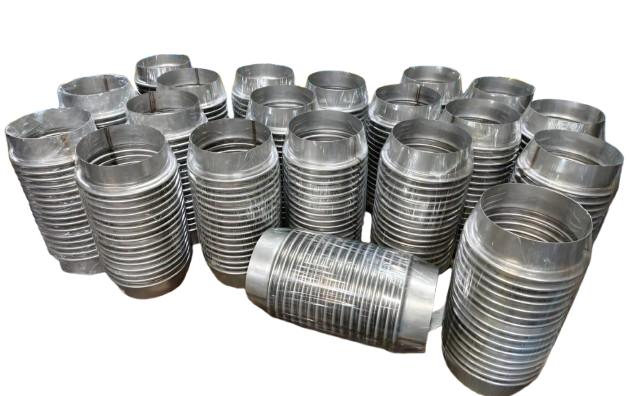
Stainless Steel Bellows — Product Description Product Name: Stainless Steel Bellows / Flexible Expansion Joint Material: High-grade Stainless Steel (SS304 / SS316) Excellent corrosion resistance, high temperature performance Design & Construction: Precision-formed corrugated bellows for maximum flexibility Seamlessly welded ends for structural integrity Can be single- or multi-plied depending on application Optional end fittings/flanges for easy installation Function: Stainless Steel Bellows are designed to: ✔ Absorb thermal expansion and contraction ✔ Compensate for misalignment and vibration ✔ Reduce stress in piping systems ✔ Enhance durability under pulsation and pressure variations Applications: Automotive EGR systems, exhaust piping HVAC systems & ducting Industrial piping & pressure lines Turbocharger connections Chemical, petrochemical, power plants Key Benefits: ✨ High flexibility under thermal cycling ✨ Corrosion & oxidation resistance ✨ Long service life ✨ Handles high temperature & pressure environments ✨ Reduces noise and mechanical stress Specifications (Typical): Material Grade: SS304 / SS316 Thickness: 0.5–1.5 mm (varies with design) Diameter: Custom sizes available Temperature Range: –50°C to 800°C+ Pressure Range: Up to 20 bar+ depending on series Installation: Fit between mating flanges with gaskets Torque evenly to ensure leak-free sealing Avoid twisting during assembly 📝 Why Choose Stainless Steel Bellows? Stainless Steel Bellows combine robust construction with exceptional flexibility — making them ideal for systems where thermal movement, vibration, and mechanical stress are continuous challenges. Their durability extends equipment life and minimizes maintenance downtime.

68179d65be22ee500d53ff54 Card 2

product image
manufacturer and tools

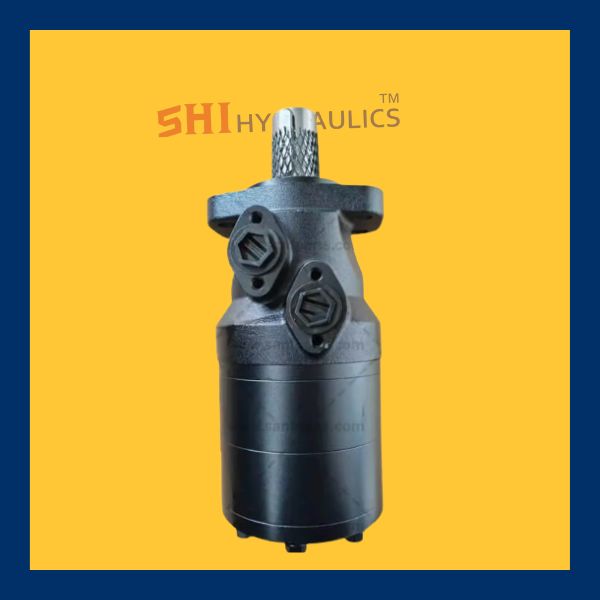
Putzmeister Agitator Hydraulic Motor – OMH-500 Model No: OMH-500 Application: Concrete Pump Agitator Drive OEM Part No: 238130001 (commonly associated) Overview: The OMH-500 hydraulic motor is a robust and high-torque motor engineered for use in Putzmeister concrete pumps, specifically as the agitator motor responsible for driving the mixing paddle within the hopper. Its primary function is to keep the concrete in constant motion, preventing segregation and ensuring a consistent, pumpable mixture. Key Features: �� High-Torque Performance: Designed with a displacement of approximately 500 cc/rev, the OMH-500 delivers high torque at low speeds—ideal for heavy-duty mixing tasks within the concrete hopper. �� Smooth Agitation Control: Supports smooth and continuous rotation of the agitator paddles to maintain a homogenous concrete mix, even with coarse aggregates or varying slump levels. ��️ Heavy-Duty Construction: Built with reinforced cast iron housing and precision-machined internal components for maximum durability under rugged construction site conditions. �� Mounting & Fitment: Standard 4-bolt SAE mounting flange and 35mm splined shaft, ensuring a direct replacement fit for OEM Putzmeister setups. �� Hydraulic Efficiency: Designed for low leakage and high volumetric efficiency, contributing to better fuel economy and longer hydraulic component life. Technical Specifications (Typical): Parameter Specification Displacement ~500 cc/rev Max Continuous Speed 155 RPM Max Intermittent Speed 200 RPM Max Torque Output Up to 1,200 Nm Shaft Type Splined (35mm standard) Mounting Flange 4-bolt SAE Port Size G1/2' (BSP or SAE, varies) Operating Pressure Up to 210–250 bar (approx.) Fluid Type Hydraulic oil (ISO VG 46/68) Weight Approx. 20–25 kg Applications: ✅ Putzmeister Concrete Pumps – Agitator Motor (e.g., BSF, TK, P 718 models) ✅ Suitable for retrofitting or replacing damaged motors in hopper mixer drives ✅ Used in OEM and aftermarket repair of ready-mix and shotcrete pump systems Benefits: Prevents Concrete Hardening in Hopper Continuous mixing action prevents concrete from settling or solidifying during pauses in pumping. Reduces Maintenance Downtime Durable design reduces the need for frequent servicing or premature replacement. Improves Pump Efficiency Ensures consistent flow of well-mixed concrete, protecting the main pumping cylinders.

Still searching for
function seals?