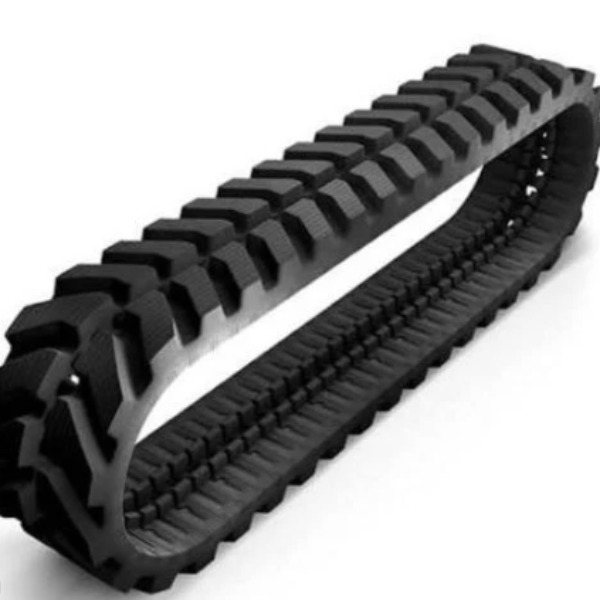
HDD Rubber Track
HDD Rubber Track Dealer at Sonu Hose Pipe HDD Rubber Track isn’t a standard term in hard drive engineering. However, based on similar user inquiries and common terminology, you might be referring to one of the following:
🔍 Possible Interpretations of 'HDD Rubber Track'
1. Shock-Absorbing Rubber Mounts or Bushings
These are rubber components often used in external hard drive enclosures or internal mounts within laptops or desktops. They cushion the drive and reduce vibration or shock, which can protect the sensitive internal parts of the drive.
🛡️ Purpose:
Absorbs physical shocks
Reduces vibration from the spinning platters and actuator movement
Helps prolong the lifespan of the HDD
🧩 Where Used:
Rubber grommets in screw mounts
Rubber rails or sleds in laptop drive bays
Anti-vibration mounting kits in desktops or servers
2. Rubber Tracks (Protective Strips) in HDD Rails or Caddies
In some laptop HDD mounting systems, rubber rails or 'tracks' are installed along the sides of the drive. These aren't part of the internal mechanism but help secure the drive inside the chassis and offer basic shock protection.
Features:
Made from rubber or silicone
Slide into metal or plastic drive bays
Can reduce mechanical noise
Provide easier insertion/removal of the drive
3. Mistaken for Internal Component
Sometimes 'rubber track' is mistaken for internal actuator or track mechanism. Internally, however:
There are no rubber tracks.
HDD tracking is handled by the actuator and voice coil motor moving across magnetically defined tracks on the platters — not physical or rubberized tracks.
🎯 Why Use Rubber in HDD Assemblies?
Rubber components play a supporting role, especially in ruggedized or portable designs:
Purpose Description
Shock Protection Prevents damage from drops or jolts
Vibration Damping Minimizes interference with read/write operations
Acoustic Isolation Reduces humming or buzzing noise
Mounting Support Makes installation/removal smoother and tool-free
🛠️ Example: Rubber Rails in Laptop HDD Mounting
Imagine a 2.5' HDD inside a laptop:
Two thin rubber strips line the sides.
These slide into metal rails.
Screws hold the rubber strips to the HDD.
When inserted, the rubber holds the drive snugly and quietly.