Gurgaon
08048032104
+919311288288

Items tagged with 'gear pump operates'

68179d65be22ee500d53ff54 Card 2

product image
Control Valve

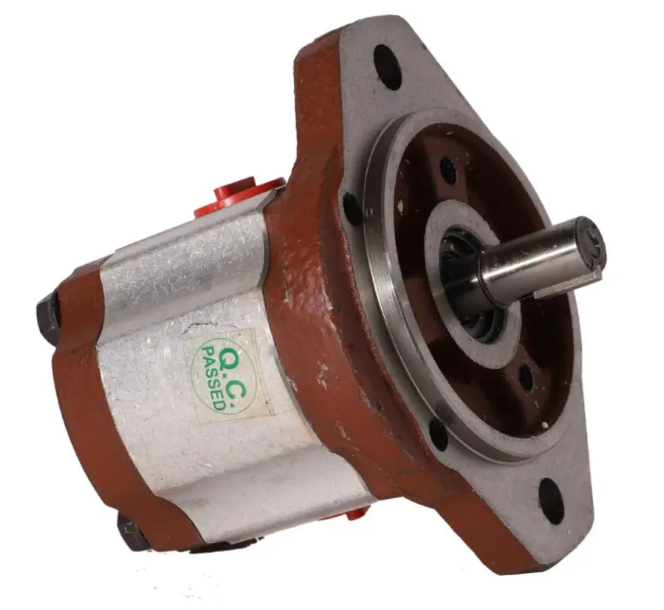
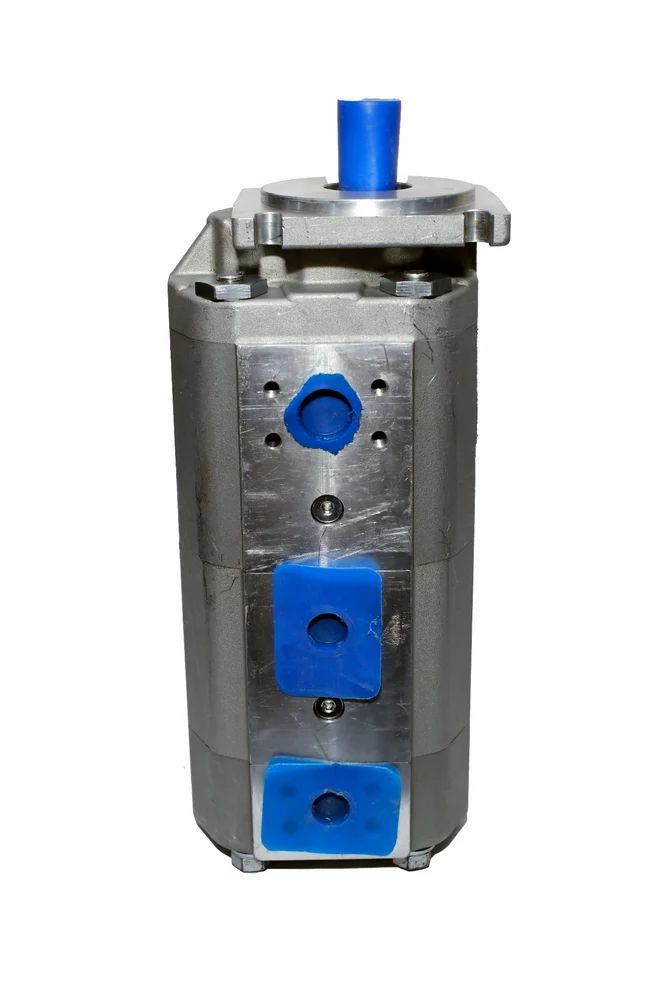
HDD Gear Pump at Sonu Hose Pipe Overview: Sonu Hose Pipe offers premium-quality HDD (Horizontal Directional Drilling) Gear Pumps, engineered for the demanding needs of horizontal directional drilling applications. These gear pumps are designed to provide reliable, efficient, and consistent fluid delivery in various drilling operations, ensuring optimal performance in the toughest environments. Whether you're working in construction, pipeline installation, or utility infrastructure, Sonu Hose Pipe’s HDD Gear Pumps are the perfect choice to drive your project forward. Discharge Range 30 LPM Speed 1000 RPM Pump Type Centrifugal Pump Power Source AC Powered Automation Grade Semi-Automatic Motor Horsepower 2 HP Pressure 20 Bar Usage/Application Industrial Material Mild Steel Brands: FOR HDD Machine Machine Hydraulic Pump and are extensively admired and respected company in the industry in this field. Our highly experienced and skilled experts develop the Hydraulic Pumps at par with international quality benchmarks by utilizing the premium quality materials available. The Hydraulic Pumps 310 CC & 390 CC all Key Features: High Efficiency: Our HDD gear pumps are built for efficient fluid transfer, ensuring that your directional drilling operations run smoothly without fluid loss or delays. Durable Construction: Made from high-quality, corrosion-resistant materials, Sonu’s gear pumps are designed to endure harsh conditions and resist wear, providing long-lasting performance even in challenging environments. Reliable Performance: These pumps offer consistent and reliable fluid delivery, which is crucial for the success of HDD operations. With high reliability, you can count on the pump to perform efficiently under pressure. Compact and Robust Design: The compact size of the gear pump ensures it fits into limited spaces, while the rugged design is built to withstand the heavy demands of drilling equipment and machinery. Easy Installation and Maintenance: Designed with user convenience in mind, Sonu’s HDD gear pumps are easy to install and require minimal maintenance, which reduces downtime and operating costs. Low Noise and Vibration: These gear pumps are engineered to operate quietly and with minimal vibration, enhancing both operator comfort and the longevity of surrounding components. Applications: Horizontal Directional Drilling (HDD): The primary application of these gear pumps is in HDD operations, where they transfer drilling fluids or mud to maintain bore stability, cool the drill bit, and lubricate the drilling string. Pipeline Installation: Used in the installation of pipelines, including water, gas, and oil pipelines, by providing a continuous and steady flow of drilling fluids for trenchless construction techniques. Utility Infrastructure: Ideal for underground construction projects that require precise fluid flow management, such as telecommunications and electrical infrastructure installation. Underground Mining: HDD gear pumps are also useful in certain underground mining applications, providing reliable fluid flow for cooling, dust suppression, and other processes. Why Choose Sonu Hose Pipe HDD Gear Pumps? Industry-Leading Performance: Sonu’s HDD gear pumps are designed to meet the highest standards of performance, ensuring reliable and efficient fluid handling in all HDD applications. Built for Toughness: With materials and components specifically selected for their durability and resistance to harsh operating conditions, our gear pumps offer unmatched reliability and long service life. Customizable Solutions: We offer customization options for flow rates, pressure ratings, and other specifications to ensure the gear pump is perfectly suited to your unique HDD system requirements. Cost-Effective: Sonu HDD gear pumps provide excellent value for money, offering high performance at competitive prices to help maximize your operational efficiency. Customer Support: Our experienced team provides comprehensive technical support, installation assistance, and troubleshooting to ensure that your HDD gear pump operates at its best throughout its lifecycle.

68179d65be22ee500d53ff54 Card 2

product image
manufacturer and tools

Hydraulic Gear Pump Model 6006: An Overview The Hydraulic Pump Model 6006 is a specific model of hydraulic pump designed for industrial applications, where high efficiency, reliability, and precision are essential. Hydraulic pumps are commonly used to transfer fluids under pressure, converting mechanical energy into hydraulic energy. Basic Design and Operation The Hydraulic Gear Pump Model 6006 is a type of positive displacement pump that operates by using the meshing of gears to move hydraulic fluid. I The 6006 model operates as follows: Inlet Fluid: Hydraulic fluid enters the pump through an inlet port. The gears rotate, and the fluid is trapped between the teeth. Fluid Movement: As the gears continue rotating, they push the trapped fluid along the sides of the gears, from the inlet side to the discharge side. Discharge Fluid: The fluid exits the pump through an outlet port at high pressure, which is used to power various parts of a hydraulic system. These gears rotate within a pump casing, creating a continuous flow of fluid . Key Features of the Hydraulic Pump Model 6006 The Hydraulic Gear Pump Model 6006 is designed for versatility and high performance. Some of its key features include: High Efficiency: The 6006 pump is built to minimize energy loss during operation, making it a highly efficient option for hydraulic systems. Durability and Reliability: The model 6006 is designed for heavy-duty use in industrial applications. Compact Design: The 6006 model has a relatively compact design, making it suitable for use in applications where space is limited. Versatility: The model is adaptable to various fluids, including oils and synthetic fluids, which allows it to be used in diverse applications. I Pressure and Flow Control: The 6006 gear pump is designed to provide stable flow rates under different pressure conditions. The flow rate is primarily determined by the speed at which the gears rotate, Applications of the Hydraulic Pump Model 6006 The Hydraulic Gear Pump Model 6006 is commonly used in various sectors where in efficient hydraulic fluid transfer is needed. Its applications include: Construction Equipment: The 6006 gear pump is widely used in construction machinery such as excavators, loaders, and bulldozers, Agricultural Machinery: Automotive and Commercial Vehicles: The 6006 model is used in hydraulic systems for power steering, braking systems, Industrial Applications: Marine Applications: Hydraulic systems in marine vessels often use gear pumps like the 6006 to power steering mechanisms, Advantages of the Hydraulic Model 6006 Consistent Flow: One of the primary advantages of the 6006 model is its ability to provide a continuous and stable flow of hydraulic fluid, Low Maintenance: Due to its robust design and minimal wear and tear, the 6006 gear pump requires relatively low maintenance compared to other types of pumps. Cost-Effective: The model 6006 provides excellent performance without the high cost of more complex pump designs, making it a cost-effective option for many applications. Precision and Control: The pump provides precise control of the fluid flow, which is necessary for applications where accuracy and stability are critical. Limitations of the Hydraulic Pump Model 6006 Noise and Vibration: Like most gear pumps, the 6006 model can produce noise and vibration during operation, especially at higher speeds. Fluid Contamination Sensitivity: Limited Suction Capability: Gear pumps, including the 6006 model, are typically not in high suction power. Conclusion The Hydraulic Gear Pump Model 6006 is an efficient, durable, and versatile pump designed to handle a wide range of industrial applications.

68179d65be22ee500d53ff54 Card 2

product image
manufacturer and tools

HDD Gear Pump, which is a critical component in Horizontal Directional Drilling (HDD) rigs for powering hydraulic circuits. ⚙️ HDD Gear Pump �� 1. What is an HDD Gear Pump? An HDD Gear Pump is a hydraulic pump that uses the meshing of gears to pump hydraulic fluid through the system. It's used in HDD rigs to drive key hydraulic functions like: Thrust/Pullback Drill head rotation Clamp and vise control Pipe loader arm Mud pump drive These pumps are chosen for their reliability, simplicity, and high-pressure capability. �� 2. Construction Details: Component Material Function Housing Cast iron or aluminum Contains the gear assembly Gears Steel (surface-hardened) Create suction/discharge action Bearings/Bushings Bronze or anti-friction steel Support rotating gears Seals/O-rings Nitrile or Viton Prevent internal & external leakage ⚙️ 3. Working Principle: Two gears (driving and driven) rotate inside the housing. Fluid is drawn into the pump at the inlet, carried around the gear teeth in chambers, and pushed out through the outlet. The tight clearances between components prevent backflow. �� 4. Technical Specifications: Parameter Typical Range Flow Rate 10–150 L/min (2.5–40 GPM) Working Pressure 150–300 bar (2200–4500 psi) Displacement 5–60 cc/rev Speed Range 1000–3500 RPM Temperature Range -20°C to +100°C Mounting SAE flange, European standard (2 or 4-bolt) Drive Keyed shaft or spline ��️ 5. Features & Benefits: High volumetric efficiency Simple and robust design Compact size and easy mounting Suitable for continuous duty cycles Low maintenance compared to piston pumps Handles dirty or abrasive hydraulic oils better than more complex pumps �� 6. Common Applications in HDD Rigs: System Pump Role Drill rotation Powering hydraulic motors for the drill head Pullback/thrust Moving hydraulic cylinders for pushing/pulling rods Clamp/Vise system Opening and closing the pipe holder Mud mixing or pumping (auxiliary) Powering hydraulic-driven mud pumps �� 7. Top Brands & Models: Parker Gear Pumps (PGP series) Eaton/Char-Lynn Casappa (Kappa or Polaris series) �� HDD Track Motor – Overview�� Function: Powers the caterpillar tracks (undercarriage) of an HDD rig. Allows the rig to move across job sites, especially in rough terrain. Usually hydraulically driven, controlled via the machine's onboard system. ⚙️ Components: Hydraulic Motor: Converts hydraulic fluid pressure into mechanical torque. Usually a radial piston or orbital motor for high torque at low speed. Planetary Gearbox: Reduces speed and increases torque output. Designed for heavy-duty use in mobile machinery. Brake System: Often a built-in spring-applied, hydraulically released brake. Prevents movement when the machine is idle or off. Mounting Flange & Sprocket: Connects directly to the track sprocket, enabling motion transfer to tracks. ✅ Key Features: High torque output Compact design for integration into the track frame Sealed and weather-resistant for outdoor use Built for shock loads and heavy-duty cycles �� Applications: Horizontal Directional Drilling Rigs (Vermeer, Ditch Witch, etc.) Pipeline and trenchless installations Other crawler-based construction machinery �� Specifications (typical range): Spec Value Flow Rate 60–200 L/min Max Pressure 300–450 bar Torque 3000–15000 Nm Speed Range 0–50 RPM If you need: A part number cross-reference (for a brand like Vermeer or Ditch Witch) A spare parts diagram Hydraulic circuit showing the track motor's role Or help identifying one from a machine

68179d65be22ee500d53ff54 Card 2

product image
manufacturer and tools

HDD Gear Pump HDD Gear Pump Overview (Hydraulic Driven Displacement) are widely used in industrial applications, primarily in hydraulic systems, due to their durability, efficiency, and ability to handle high-pressure environments. These pumps are a type of positive displacement pump, and their design ensures the consistent flow of fluid regardless of changes in pressure. This makes them particularly suitable for systems where precise control and reliability are crucial. Basic Design and Operation HDD consist of two main gears: the driving gear and the driven gear. These gears mesh with each other inside a housing and work together to move hydraulic fluid through the system. The driving gear is typically powered by an external motor, which turns the gears and forces the fluid into the discharge side of the pump. As the gears rotate, fluid enters the pump chamber through an inlet port. The fluid is trapped between the teeth of the gears and the housing, and as the gears continue to rotate, the trapped fluid is carried around the gear teeth and pushed out the outlet port. This process is continuous, resulting in a steady flow of fluid. One of the main advantages of gear pumps is their ability to maintain a constant flow rate, which is a key requirement in many hydraulic systems. The flow is determined by the size of the gears and the speed at which they rotate. By adjusting the speed of the motor or changing the gear size, the flow rate can be modified to meet the needs of the application. Applications of Pumps used in a wide variety of applications, including but not limited to: Hydraulic Systems: These pumps are used in machinery such as forklifts, excavators, and cranes, where they provide hydraulic fluid to power various parts of the system. Automotive: In the automotive industry, HDD gear pump are used in power steering systems, transmission fluid pumps, and oil pumps. Oil and Gas: The pumps are used for fluid transfer in drilling rigs, offshore platforms, and refineries. Industrial Manufacturing: HDD can be found in various manufacturing plants where precise fluid transfer is necessary, such as in plastic injection molding or lubrication systems. Advantages High Efficiency: Gear pumps are known for their high efficiency, particularly in terms of energy conversion. The meshing of gears minimizes energy loss, which makes them more energy-efficient compared to other types of pumps. Durability: Gear pumps are built to last. They are resistant to wear and tear, even under heavy-duty use. The metal construction of the gears and housing allows the pump to withstand high-pressure conditions without failure. Compact Design: Despite their power, gear pumps are relatively small and compact, making them ideal for applications with limited space. This makes them a good choice for use in machinery or equipment where size constraints are a consideration. Smooth Flow: Gear pumps provide a steady and continuous flow of fluid, which ensures stable operation in hydraulic systems. This reduces the potential for erratic movements or system failures. Versatility: These pumps are versatile in terms of the fluids they can handle. They can work with a variety of liquids, including oils, water, and other industrial fluids. Depending on the materials used, they can even handle viscous fluids or those with particulates. Limitations and Challenges Despite their advantages, pumps also have certain limitations:

68179d65be22ee500d53ff54 Card 2

product image
manufacturer and tools

Gear Pump for HDD Machines Gear pumps are essential components in hydraulic systems, especially in heavy-duty applications like Horizontal Directional Drilling (HDD) machines. Their robust design, reliability, and consistent performance make them ideal for powering hydraulic functions critical to HDD operations. From driving the hydraulic cylinders to providing the pressure needed for drilling and reaming, gear pumps play a pivotal role in ensuring smooth and efficient performance Gear Pumps for HDD Machines High Efficiency Designed to deliver consistent flow and pressure with minimal energy loss. Compact and Lightweight Easy to integrate into the compact layouts of HDD machines. Robust Construction Made from durable materials like cast iron or aluminum to withstand extreme conditions. Wide Pressure Range Capable of handling high pressures required for demanding HDD tasks. Ease of Maintenance Simple design ensures easy disassembly and servicing. Versatile Fluid Compatibility Suitable for various hydraulic fluids, including biodegradable options. Low Noise Operation Engineered for quiet performance, improving operator comfort. Applications of Gear Pumps in HDD Machines Drilling Operations Provides the hydraulic pressure required to operate the drill head and other tools. Mud Pumping Drives hydraulic systems that pump drilling fluids to cool the drill bit and remove debris. Pipe Handling Systems Powers hydraulic arms and clamps used for handling and aligning pipes. Reaming and Pullback Supplies consistent pressure for reaming and pulling pipes back through drilled holes. Directional Control Supports hydraulic systems responsible for steering and directional adjustments of the drill head. Advantages of Using Gear Pumps for HDD Machines Durability Built to withstand harsh environments, including mud, water, and extreme temperatures. Reliability Provides consistent performance with minimal risk of failure. Cost-Effectiveness Offers a good balance of performance, durability, and affordability. Compact Design Space-saving construction allows for integration into tight machine layouts. Energy Efficiency Delivers high performance with reduced power consumption. Smooth Operation Ensures a steady and uninterrupted hydraulic flow. Material and Construction Housing Typically made from cast iron, steel, or aluminum for strength and corrosion resistance. Gears Precision-engineered gears made of hardened steel for durability and wear resistance. Seals and Bearings High-quality seals prevent fluid leakage, while robust bearings ensure smooth gear rotation. Mounting Configurations Available in various mounting options to suit different HDD machine designs. Selecting the Right Gear Pump for HDD Machines Flow Rate Choose a pump with the appropriate flow rate to match your system’s requirements. Pressure Rating Ensure the pump can handle the operating pressure of your HDD machine. Size and Weight Select a compact and lightweight model for ease of integration. Material Compatibility Ensure the pump materials are compatible with the hydraulic fluid used in your system. Environmental Conditions Opt for a pump designed to operate reliably in the specific conditions of your HDD project. Maintenance Tips for Gear Pumps in HDD Machines Regular Inspection Check for wear, leaks, and unusual noises to identify potential issues early. Fluid Quality Use clean, compatible hydraulic fluids to prevent contamination and damage. Seal Replacement Periodically replace seals to maintain performance and prevent leaks. Monitor Operating Conditions Avoid overloading the pump beyond its rated pressure and flow limits. Scheduled Servicing Follow the manufacturer’s maintenance schedule for optimal performance and longevity. Innovations in Gear Pumps for HDD Machines High-Efficiency Models New designs reduce energy consumption while maintaining high performance. Advanced Materials Use of composite materials for improved wear resistance and reduced weight. Integrated Monitoring Systems Sensors for real-time monitoring of pressure, temperature, and flow. Eco-Friendly Designs Compatibility with biodegradable hydraulic fluids to minimize environmental impact. Why Choose Gear Pumps for HDD Machines? Proven Performance Trusted by HDD professionals worldwide for their reliability and efficiency. Adaptability Wide range of models to suit various HDD machine requirements. Ease of Maintenance Simple design reduces downtime and maintenance costs. Global Availability Widely available with comprehensive support from manufacturers and distributors.

68179d65be22ee500d53ff54 Card 2

product image
manufacturer and tools

Gear Pumps Gear Pump A gear pump is a type of positive displacement pump widely used for transferring liquids in various industrial applications. Known for its simplicity, reliability, and efficiency, the gear pump is a crucial component in many systems, including chemical processing, lubrication, and hydraulic operations. This document provides an in-depth description of gear pumps, including their working principle, components, types, applications, and advantages. Working Principle The operation of a gear pump is based on the principle of positive displacement. It consists of two meshing gears that rotate to transfer fluid. As the gears turn, liquid is trapped in the spaces between the gear teeth and the pump casing. This fluid is carried from the suction side to the discharge side of the pump, creating a steady and consistent flow. Key Components A typical gear pump comprises the following components: Gears: Two primary gears are used—a driving gear and a driven gear. These gears can be either external (located outside of each other) or internal (one gear inside another). Pump Housing: Encloses the gears and maintains alignment. Designed to withstand high pressures and resist wear and corrosion. Bearings: Support the shafts of the gears to ensure smooth rotation. Often made from materials that minimize friction. Shafts: Connect the driving gear to a motor or engine. Transmit rotational power to the gear mechanism. Seals: Prevent fluid leakage and maintain operational efficiency. Typically made from materials resistant to the pumped fluid. Types of Gear Pumps Gear pumps can be categorized based on their design and arrangement of gears: External Gear Pumps: Feature two external gears meshing together. Commonly used for handling low-to-medium viscosity fluids. Internal Gear Pumps: Consist of an internal gear that meshes with an external gear. Capable of handling high-viscosity fluids, making them ideal for applications like oil or syrup transfer. Lobe Pumps: A variation where the gears are replaced with lobed rotors. Gentle on the fluid, making them suitable for food and pharmaceutical industries. Applications Gear pumps are versatile and find use across numerous industries: Lubrication Systems: Deliver precise amounts of oil or lubricants to machinery and engines. Chemical Processing: Transfer corrosive or viscous liquids such as acids, solvents, and polymers. Hydraulic Systems: Provide consistent flow and pressure in hydraulic circuits. Food and Beverage: Handle thick fluids like chocolate, syrups, and sauces. Oil and Gas: Transfer crude oil, refined fuels, and other hydrocarbons. Medical and Pharmaceutical: Pump sterile liquids or precise doses of medication. Advantages Gear pumps offer several benefits that make them a preferred choice in various operations: Compact Design: Small and lightweight, making them easy to install and maintain. High Efficiency: Provide consistent flow regardless of pressure variations. Durability: Built to handle harsh conditions and abrasive fluids with minimal wear. Versatility: Can manage a wide range of viscosities and temperatures. Self-Priming: Ability to operate without requiring initial fluid in the pump. Precise Flow Control: Deliver accurate and repeatable flow rates, essential in sensitive processes. Limitations Despite their advantages, gear pumps have some drawbacks: Limited Suction Capacity: Not ideal for pumping fluids over long distances or from deep sources. Noise: Can produce higher noise levels compared to other types of pumps. Sensitivity to Contaminants: Require clean fluids to avoid gear damage and maintain efficiency. Fixed Flow Rate: Flow is directly proportional to the pump speed, making them less flexible in some applications. Future Trends The design and application of gear pumps are continuously evolving to meet modern demands: Improved Materials: Use of advanced alloys and coatings to enhance resistance to wear and corrosion. Smart Technology Integration: Incorporating sensors and IoT capabilities for real-time monitoring and predictive maintenance. Energy Efficiency: Developing low-power and energy-efficient designs for sustainable operations. Customization: Tailored designs to meet specific industrial needs and regulatory requirements.

68179d65be22ee500d53ff54 Card 2

product image
manufacturer

Gear Pump Model no-6006 Model No-6006 LPM-2.50 Hydraulic Gear Pump Model 6006: An Overview The Hydraulic Pump Model 6006 is a specific model of hydraulic pump designed for industrial applications, where high efficiency, reliability, and precision are essential. Hydraulic pumps are commonly used to transfer fluids under pressure, converting mechanical energy into hydraulic energy. Basic Design and Operation The Hydraulic Gear Pump Model 6006 is a type of positive displacement pump that operates by using the meshing of gears to move hydraulic fluid. I The 6006 model operates as follows: Inlet Fluid: Hydraulic fluid enters the pump through an inlet port. The gears rotate, and the fluid is trapped between the teeth. Fluid Movement: As the gears continue rotating, they push the trapped fluid along the sides of the gears, from the inlet side to the discharge side. Discharge Fluid: The fluid exits the pump through an outlet port at high pressure, which is used to power various parts of a hydraulic system.

68179d65be22ee500d53ff54 Card 2

product image
manufacturer and tools

HDD Gear Pump Description An HDD gear pump is a type of positive displacement pump that uses intermeshing gears to transfer fluids efficiently. These pumps are commonly used in industrial applications where precise fluid movement is required, such as in hydraulic systems, lubrication systems, and chemical processing. Key Features of HDD Gear Pumps: High Durability: Made with robust materials like cast iron, stainless steel, or aluminum for longevity. Efficient Fluid Transfer: Provides a steady and consistent flow without pulsation. Self-Priming Capability: Can start pumping without requiring external priming. Handles Viscous Fluids: Suitable for oils, lubricants, and other high-viscosity liquids. Compact Design: Often used in machinery where space is limited.

68179d65be22ee500d53ff54 Card 2

product image
manufacturer and tools

A gear pump is a type of positive displacement pump that moves fluids by using meshing gears to transfer liquid. It is commonly used for pumping oils, fuels, and other viscous fluids. Types of Gear Pumps External Gear Pump – Uses two identical gears (driven and driving) to move fluid around the outside of the gears. Internal Gear Pump – Has a larger outer gear with an internal gear rotating inside it, creating fluid movement. Working Principle As the gears rotate, they create expanding cavities on the suction side, drawing fluid in. The fluid is then carried around the outside of the gears within the casing. When the gears mesh again on the discharge side, the fluid is pushed out under pressure.

Still searching for
gear pump operates?