Thank you for writing to us. One of our executive will reach back to you through your submitted medium. In case there’s an urgency, feel free to connect over WhatsApp for faster response.
Prefer calling? Dial +919311288288 (International callers) or +919311288288 (Indian callers).
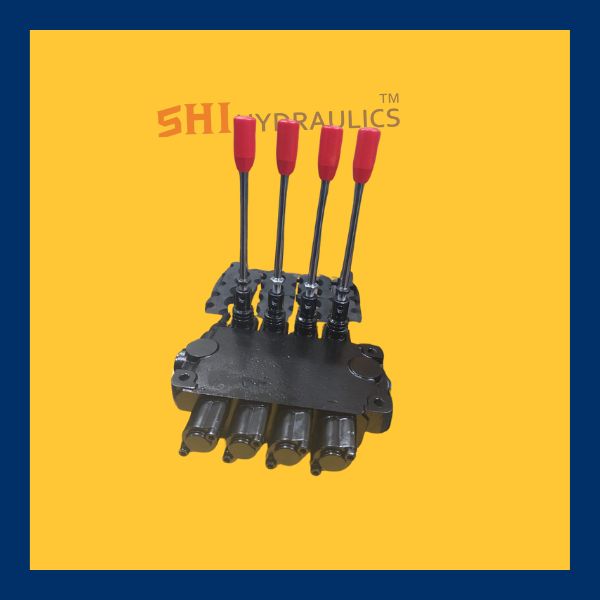
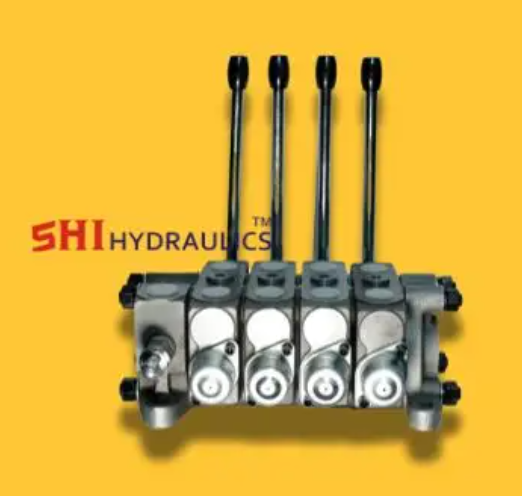
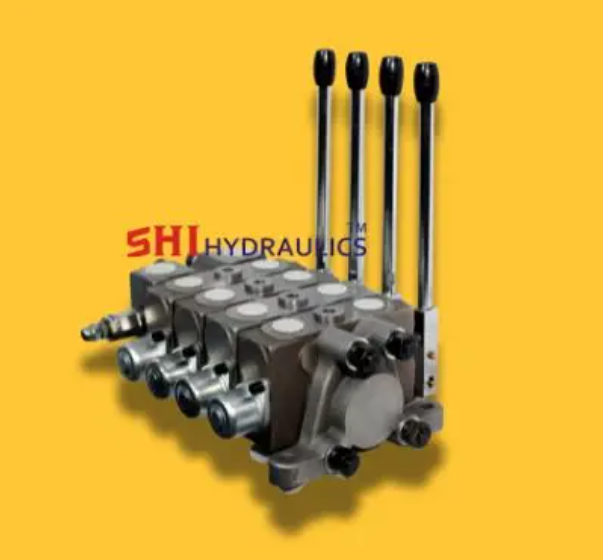
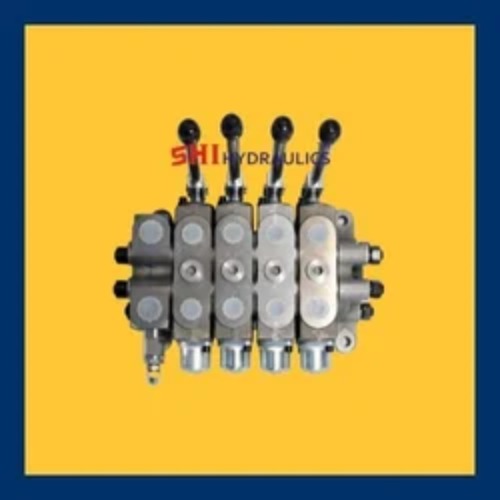
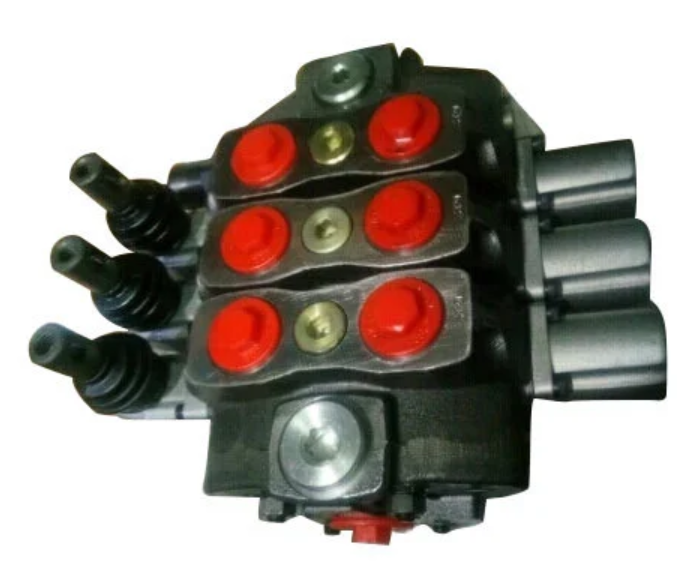
A sectional valve is a type of hydraulic control valve composed of multiple modular sections, allowing for independent control of multiple hydraulic functions within a system. It is widely used in mobile and industrial hydraulic applications, such as construction machinery, agricultural equipment, and material handling systems.
Key Components of a Sectional Valve
Main Valve Sections – Modular sections, each controlling a different hydraulic function.
Inlet Section – Directs hydraulic fluid into the valve assembly from the pump.
Spools – Move within the sections to regulate fluid flow and direction.
Outlet Section – Returns excess hydraulic fluid to the reservoir.
Pressure Relief Valve – Protects the system by preventing overpressure.
Actuators (Manual, Electric, or Hydraulic) – Operate the spools to control fluid movement.
Features of a Sectional Valve
Modular Design – Can be expanded by adding or removing sections based on system needs.
Independent Function Control – Each section operates a separate hydraulic circuit.
Durable Construction – Made from high-strength materials for long-lasting performance.
Customizable Flow and Pressure Settings – Adjustable to meet specific hydraulic requirements.
Compact and Space-Saving – Ideal for systems with multiple hydraulic operations.
Common Applications
Construction Machinery – Used in excavators, loaders, and cranes for controlling multiple hydraulic movements.
Agricultural Equipment – Powers hydraulic functions in tractors, harvesters, and sprayers.
Material Handling – Operates hydraulic lifts, forklifts, and conveyor systems.
Municipal Vehicles – Controls hydraulic functions in garbage trucks, fire trucks, and snow plows.
Hydraulic Control Valve
hydraulic control valve is a critical component used in hydraulic systems to control the direction, pressure, and flow rate of hydraulic fluid. The specific valve shown is a multi-spool directional control valve, typically used in mobile and industrial hydraulic equipment.
Key Features:
Multi-Spool Design: Allows independent control of multiple hydraulic functions (e.g., cylinders, motors).
Cast Iron Construction: Ensures durability, high pressure resistance, and a long service life.
Manual/Lever Operation: Operated via levers, which direct hydraulic fluid through different channels based on the spool position.
Pressure Relief Valves: Built-in safety features to protect the system from overpressure.
Multiple Ports: Clearly marked inlet (P), outlet (T), and work ports (A/B) for easy installation and maintenance.
Compact Form Factor: Space-saving design, ideal for mounting in confined areas.
Application: Widely used in agricultural machinery, construction equipment, loaders, cranes, and other mobile hydraulic applications.
Functionality:
Each spool within the valve corresponds to a hydraulic actuator. When a spool is moved, it opens specific internal channels, allowing hydraulic fluid to flow from the pump to a particular actuator, while returning fluid from other actuators back to the tank.
Monoblock Valve: A Comprehensive Overview
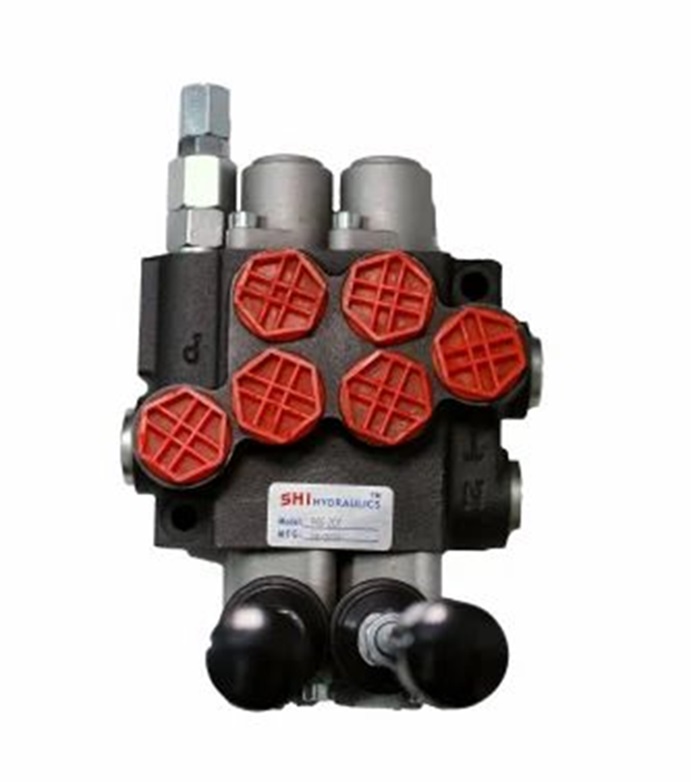
A Monoblock valve is a type of hydraulic valve that is designed as a single, compact unit. It plays a crucial role in controlling the flow,
Design and Structure of a Monoblock Valve
The primary characteristic of a Monoblock valve is its monoblock construction, where multiple valve functions
Monoblock valves typically
Valve Body: The main housing that contains the valve’s internal components and channels. It is usually machined from a single piece of metal.
Control Spools or Ball Mechanisms: These components control the flow direction and the opening
Ports: The inlet and outlet ports that allow hydraulic fluid to enter and exit the valve. These ports are typically designed for high-pressure environments.
Spring or Actuator Mechanism: Some block valves are spring-loaded, while others use solenoids or hydraulic actuators to control the valve’s movement and function.
Seals and O-rings: These ensure that there are no leaks between the internal components, maintaining the integrity of the hydraulic fluid system.
Working Principle of a Monoblock Valve
Flow Control: The valve’s internal mechanism, such as a spool or ball,
Pressure Relief: Many monoblock valves include integrated pressure relief features.
Direction Control: Monoblock valves can also control the direction of fluid flow. For example, a directional control valve in a monoblock
Types of Monoblock Valves
Monoblock valves come in various types, each designed for specific tasks within a hydraulic system. The most common types include:
Directional Control Valves:
These valves control the direction of the hydraulic fluid. They are used to change the flow direction,
Flow Control Valves:
Flow control valves regulate the flow rate of the hydraulic fluid in a system. conditions.
Pressure Relief Valves:
These valves are designed to maintain a preset maximum pressure in the hydraulic system. When the system’s pressure exceeds the set limit,
Check Valves:
Check valves allow fluid to flow in one direction only,
Combination Valves:
Some monoblock valves combine multiple valve functions into a single unit, such as a directional control valve with built-in pressure relief and flow control.
Advantages of Monoblock Valves
Compact Design:
One of the primary advantages of Monoblock valves is their compact design. Since all components are integrated into a single unit,
Ease of Installation:
The single-unit design of Monoblock valves simplifies installation.
Cost-Effectiveness:
Monoblock valves are generally more cost-effective than traditional valves that require multiple parts.
Reduced Leak Points:
With fewer parts and integrated construction,
Improved Performance:
The integration of multiple valve functions into a single unit reduces the number of components that could potentially fail,
Applications of Monoblock Valves
Monoblock valves are used in a wide range of applications across various industries, including:
Construction Machinery:
Monoblock valves are used in construction equipment like excavators, loaders, and backhoes to control the movement of hydraulic cylinders and motors.
Agricultural Equipment:
In agriculture, Monoblock valves control the operation of hydraulic systems in tractors, combine harvesters, and other farm machinery.
Industrial Automation:
These valves are widely used in industrial machines and production lines for controlling fluid flow to actuators, which is essential in automation processes.
Mobile Equipment:
Monoblock valves are commonly found in mobile machinery like cranes, forklifts, and material handling systems, where they manage the hydraulic flow for various operations.
Automotive Systems:
Monoblock valves are used in automotive applications, such as power steering systems and lifting mechanisms in heavy-duty vehicles.
Conclusion
Monoblock valves are essential components in hydraulic systems, offering a compact, cost-effective, and reliable solution for controlling fluid flow, pressure, and direction. Their integrated design minimizes installation time
Direction Control Valve
Direction Control Valve at Sonu Hose Pipe
Overview: Sonu Hose Pipe offers a wide range of high-performance Direction Control Valves designed to provide precise control over the direction of fluid flow within hydraulic and pneumatic systems. These valves play a vital role in various applications, ensuring fluid is routed to the correct components, enhancing operational efficiency and safety. With durable construction and advanced features, our direction control valves are ideal for a variety of industrial, agricultural, and automotive systems.
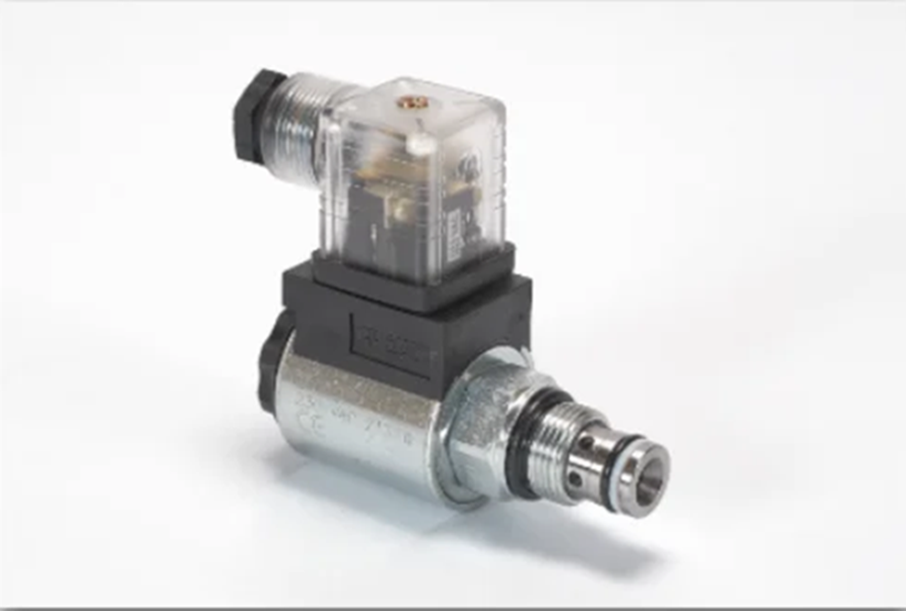
K2DE06
This is a 2 way, 2 position, solenoid operated, direct acting, poppet directional valve. The valve provides a leak-free closure when de-energized, and allows flow in either direction when energized. Due to poppet style construction the valve has extremely low leakage in closed condition.
Key Features:
Precise Flow Direction Control: Our direction control valves are engineered to offer accurate control of fluid flow, allowing you to direct hydraulic or pneumatic fluids to specific areas of your system with ease and precision.
Multiple Configurations: Available in a wide range of sizes, mounting options, and configurations, Sonu direction control valves can be customized to suit your unique operational needs and system requirements.
Durable and Reliable: Constructed from high-quality materials, our valves are built to withstand extreme pressures, temperatures, and working environments, ensuring long-lasting durability and performance.
Simple Operation: With easy-to-understand controls, these valves can be manually or automatically operated, providing flexibility and ease of use in different applications.
Leak-Proof Design: Sonu direction control valves feature advanced sealing technology to prevent leaks and ensure efficient, secure operation, minimizing fluid loss and enhancing system efficiency.
Low Maintenance: Designed with longevity in mind, these valves require minimal maintenance and downtime, reducing overall operational costs and improving system reliability.
Types of Direction Control Valves:
2-Way Direction Control Valves: Used for simple on/off applications, directing fluid to one of two possible paths.
3-Way Direction Control Valves: Offer one inlet and two outlets, directing fluid to one of the two available directions depending on the system's requirements.
4-Way Direction Control Valves: These valves direct fluid to one of four outlets, commonly used in applications like actuating double-acting cylinders, where fluid flow must alternate between two sides of the cylinder.
Rotary Directional Valves: Operate by rotating a spool or disk to direct fluid flow, often used in applications that require more precise control and durability.
Solenoid and Manual Operated Valves: Available in both solenoid-actuated and manual versions, Sonu's direction control valves can be operated via electrical signals or manually for optimal flexibility in various control systems.
Applications:
Hydraulic Systems: Direction control valves are essential in hydraulic systems that require fluid flow direction control for actuators, cylinders, and motors, ensuring smooth operation in machinery like excavators, cranes, and presses.
Pneumatic Systems: Used in pneumatic systems for controlling the movement of actuators, valves, and other components, ensuring optimal flow direction in systems like robotics, packaging, and automation.
Agricultural Equipment: Operate hydraulic systems in tractors, harvesters, and other agricultural machinery to control implements and attachments efficiently.
Automotive and Transport: Direction control valves are critical in controlling hydraulic brake systems, steering systems, and suspension systems in vehicles and heavy equipment.
Manufacturing and Industrial Automation: Enable precise fluid control in various industrial applications such as presses, assembly lines, and conveyors, enhancing production efficiency.
Why Choose Sonu Hose Pipe Direction Control Valves?
High Performance: Sonu’s direction control valves are engineered for optimal performance, delivering precise control of fluid flow to ensure smooth operation of your system.
Durability and Longevity: Our valves are designed to handle the toughest conditions, built with durable materials that ensure reliability and a long service life.
Customization: We offer a wide range of options in terms of pressure ratings, sizes, and configurations to meet the specific needs of your hydraulic or pneumatic system.
Cost-Effective: Sonu direction control valves offer excellent value, balancing performance and affordability to help you optimize your system without compromising on quality.
Expert Support: Our experienced technical team is always available to assist with selecting the right valve for your application, providing installation guidance, and offering ongoing support.
Monoblock Valve: A Comprehensive Overview
A Monoblock valve is a type of hydraulic valve that is designed as a single, compact unit. It plays a crucial role in controlling the flow,
Design and Structure of a Monoblock Valve
The primary characteristic of a Monoblock valve is its monoblock construction, where multiple valve functions
Monoblock valves typically
Valve Body: The main housing that contains the valve’s internal components and channels. It is usually machined from a single piece of metal.
Control Spools or Ball Mechanisms: These components control the flow direction and the opening
Ports: The inlet and outlet ports that allow hydraulic fluid to enter and exit the valve. These ports are typically designed for high-pressure environments.
Spring or Actuator Mechanism: Some block valves are spring-loaded, while others use solenoids or hydraulic actuators to control the valve’s movement and function.
Seals and O-rings: These ensure that there are no leaks between the internal components, maintaining the integrity of the hydraulic fluid system.
Working Principle of a Monoblock Valve
Flow Control: The valve’s internal mechanism, such as a spool or ball,
Pressure Relief: Many monoblock valves include integrated pressure relief features.
Direction Control: Monoblock valves can also control the direction of fluid flow. For example, a directional control valve in a monoblock
Types of Monoblock Valves
Monoblock valves come in various types, each designed for specific tasks within a hydraulic system. The most common types include:
Directional Control Valves:
These valves control the direction of the hydraulic fluid. They are used to change the flow direction,
Flow Control Valves:
Flow control valves regulate the flow rate of the hydraulic fluid in a system. conditions.
Pressure Relief Valves:
These valves are designed to maintain a preset maximum pressure in the hydraulic system. When the system’s pressure exceeds the set limit,
Check Valves:
Check valves allow fluid to flow in one direction only,
Combination Valves:
Some monoblock valves combine multiple valve functions into a single unit, such as a directional control valve with built-in pressure relief and flow control.
Advantages of Monoblock Valves
Compact Design:
One of the primary advantages of Monoblock valves is their compact design. Since all components are integrated into a single unit,
Ease of Installation:
The single-unit design of Monoblock valves simplifies installation.
Cost-Effectiveness:
Monoblock valves are generally more cost-effective than traditional valves that require multiple parts.
Reduced Leak Points:
With fewer parts and integrated construction,
Improved Performance:
The integration of multiple valve functions into a single unit reduces the number of components that could potentially fail,
Applications of Monoblock Valves
Monoblock valves are used in a wide range of applications across various industries, including:
Construction Machinery:
Monoblock valves are used in construction equipment like excavators, loaders, and backhoes to control the movement of hydraulic cylinders and motors.
Agricultural Equipment:
In agriculture, Monoblock valves control the operation of hydraulic systems in tractors, combine harvesters, and other farm machinery.
Industrial Automation:
These valves are widely used in industrial machines and production lines for controlling fluid flow to actuators, which is essential in automation processes.
Mobile Equipment:
Monoblock valves are commonly found in mobile machinery like cranes, forklifts, and material handling systems, where they manage the hydraulic flow for various operations.
Automotive Systems:
Monoblock valves are used in automotive applications, such as power steering systems and lifting mechanisms in heavy-duty vehicles.
Conclusion
Monoblock valves are essential components in hydraulic systems, offering a compact, cost-effective, and reliable solution for controlling fluid flow, pressure, and direction. Their integrated design minimizes installation time
HDD Control Valves Control valves** in HDD rigs manage the direction, flow rate, and pressure of hydraulic fluids powering various components, such as:
Thrust/pullback systems
Drill rotation motors
Clamp/vise actuators
Pipe loader arms
Mud pump drive systems
They can be manual, pilot-operated, or electro-hydraulic depending on system complexity.
�� 2. Types of Valves Used in HDD Systems
Valve Type Function Common Placement
Directional Control Valve (DCV) Directs flow to actuators (e.g. extend/retract cylinders) Main hydraulic circuits
Flow Control Valve Regulates speed of actuators by limiting flow Rotation/thrust speed adjustment
Pressure Relief Valve Protects system from overpressure Inline with all major circuits
Pilot-Operated Check Valve Locks actuators in place under load Clamp and rotation holding systems
Solenoid Valve Electrically controlled valve for automated function Remote or onboard controls
Load-Sensing Valve Adjusts flow based on demand, improving efficiency Advanced HDD rigs
⚙️ 3. Features:
High pressure handling (up to 5000 psi / 350 bar)
Compact modular manifolds for integrated control
Stackable for space-efficient designs
Available in cartridge or monoblock forms
Options for manual levers, electric joystick, or remote radio control
�� 4. Specifications (Typical):
Spec Value
Flow Rate 20–150 L/min
Pressure 210–420 bar (3000–6000 psi)
Ports BSP, NPT, or SAE
Control Manual, electric, or hydraulic pilot
Material Steel or cast iron (plated for corrosion resistance)
�� 5. Brands Used in HDD Machines:
Rexroth (Bosch)
Parker Hannifin
Hydac
Sun Hydraulics
Danfoss / Eaton
Walvoil, Yuken, and Atos
�� 6. Applications in HDD Rigs:
System Valve Role
Thrust/Pullback Directional & flow control for hydraulic cylinders
Rotation Drive Speed & torque control via flow/pressure regulation
Clamp/Vise Check valves to hold position under load
Rod Loader Directional valves for actuator motion
Drill Head Steering Fine pressure and flow adjustments for steering nozzles
�� 7. Maintenance & Troubleshooting:
Regularly inspect for leakage, spool stickiness, or overheating
Ensure filters are clean to avoid contamination wear
Check for correct voltage on solenoid coils
Use diagnostic tools to monitor pilot pressure and feedback
Hydraulic Pressure Gauge
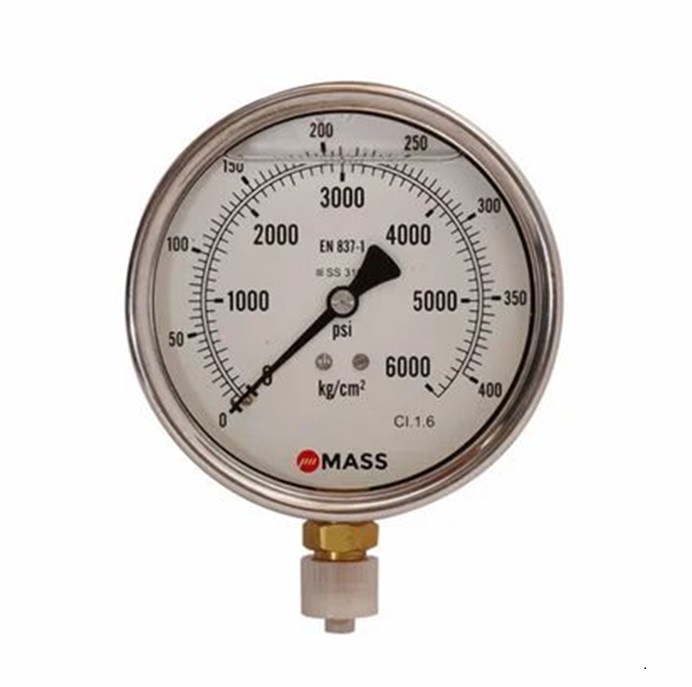
Sonu Hose Pipe offers top-quality Hydraulic Pressure Gauges designed for accurate measurement and monitoring of hydraulic system pressure. These gauges are essential in ensuring that your hydraulic systems operate within safe and efficient pressure ranges. Built with precision and reliability, our hydraulic pressure gauges are ideal for use in a wide range of industries, including construction, manufacturing, agriculture, and automotive.
Dial Size 6 inch / 150 mm
Connection Type NPT
Connection Size 1/4 inch
Use Liquid
Display Type Digital
Pressure Type Gauge Pressure
Dial Type Liquid Filled
Liquid Filling Glycerine
Material of Casing Brass
Usage/Application Industrial
Type Hydraulic
Brands: Mass
Pressure gauges are an essential instrument used by industry to measure the pressure in a system as a quality check measure and to ensure the consistency of products. For reasons of safety, pressure gauges monitor fluids, gases, and steam for leaks or a build up of pressure in a system.
Key Features:
Accurate Pressure Measurement: Our hydraulic pressure gauges provide precise readings, enabling you to monitor and maintain the optimal performance of your hydraulic system and prevent overpressure conditions.
Durable Construction: Built with high-quality stainless steel, brass, or other robust materials, Sonu’s pressure gauges are designed to withstand harsh environments, high pressures, and temperature variations.
Wide Pressure Range: Available in a wide range of pressure ratings, from low to high-pressure applications, these gauges ensure you can measure pressure accurately across various hydraulic systems.
Shock-Resistant Design: Our pressure gauges are designed to resist mechanical shock and vibration, offering greater durability and longevity, even in rugged applications.
Versatile Mounting Options: These gauges come with multiple mounting options, including surface, panel, and bottom connections, offering flexibility to fit a variety of hydraulic systems and applications.
Types of Hydraulic Pressure Gauges:
Bourdon Tube Pressure Gauges: The most commonly used type, Bourdon tube gauges offer accurate readings and are ideal for a wide variety of hydraulic applications.
Diaphragm Pressure Gauges: Suitable for applications where pressure measurements need to be made in harsh environments, diaphragm gauges are resistant to pulsation and vibration.
Digital Pressure Gauges: These electronic gauges provide highly accurate, easy-to-read digital displays, offering enhanced precision and are ideal for modern hydraulic systems.
Manometer Pressure Gauges: Compact and reliable, these gauges are perfect for measuring pressure in low- to medium-pressure hydraulic systems.
Liquid-Filled Pressure Gauges: Filled with a special glycerin or silicone fluid, these gauges provide better shock resistance and are perfect for high-vibration environments, ensuring steady and accurate readings.
Applications:
Hydraulic Systems: Ensure the safe and efficient operation of hydraulic systems in industrial machinery, construction equipment, and manufacturing processes.
Pumps & Compressors: Monitor pressure in pumps and compressors to ensure optimal performance and prevent damage caused by over pressurization.
Agricultural Machinery: Used in tractors, harvesters, and irrigation systems to monitor hydraulic pressures and maintain system efficiency.
Automotive Systems: In hydraulic brake systems, steering mechanisms, and suspension systems, pressure gauges are essential for monitoring fluid pressures and ensuring safe operation.
Manufacturing Equipment: Control and maintain pressure in presses, injection molding machines, and other automated manufacturing equipment.
Oil & Gas Industry: Pressure gauges play a crucial role in oil extraction and transportation systems, helping to monitor fluid pressure in drilling, pumping, and pipeline systems.
Why Choose Sonu Hose Pipe Hydraulic Pressure Gauges?
Precision and Reliability: Sonu’s hydraulic pressure gauges are engineered for high accuracy, providing you with dependable readings that ensure the safe and efficient operation of your hydraulic system.
Durable and Long-Lasting: Constructed with corrosion-resistant materials and designed for heavy-duty applications, our pressure gauges offer long-term performance and minimal maintenance.
Wide Selection: We offer a variety of pressure gauges suitable for different pressure ranges, mounting types, and system requirements, ensuring a perfect fit for your needs.
Cost-Effective: Sonu Hose Pipe provides high-quality, reliable pressure gauges at competitive prices, delivering excellent value for your investment.
Customer Support: Our expert team is always available to help with product selection, installation guidance, and troubleshooting, ensuring you get the best performance from your pressure gauges.
Hydraulic Hose Adaptors at Sonu Hose Pipe
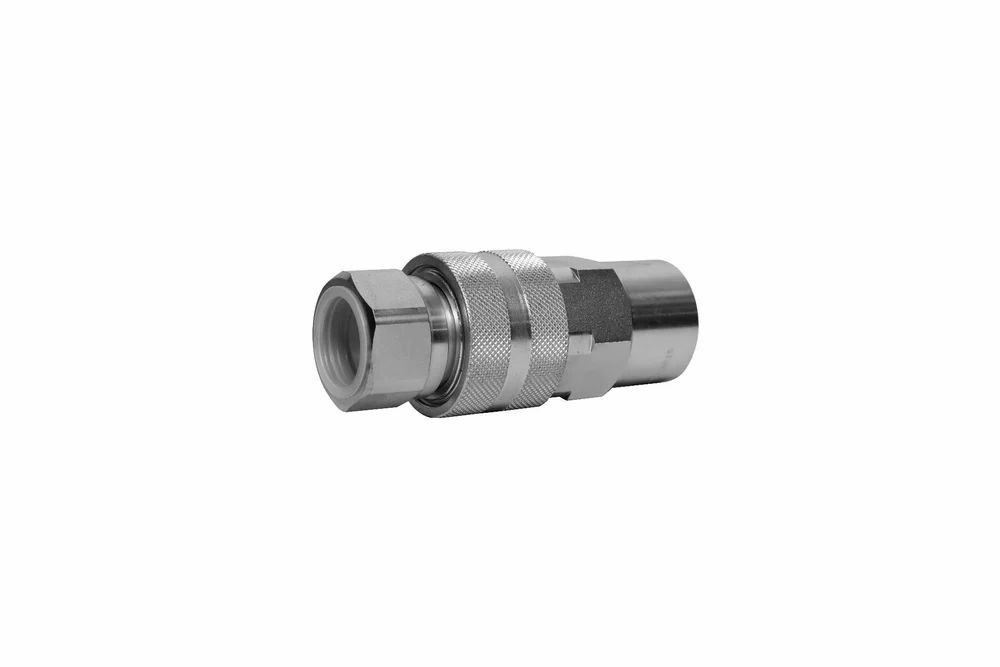
Overview: Sonu Hose Pipe offers a comprehensive range of high-quality hydraulic hose adaptors designed to connect hydraulic hoses with different sizes, fittings, and equipment, ensuring a secure, leak-free, and efficient flow of fluids. Our hydraulic hose adaptors are made from durable materials and are engineered to withstand the high pressures and demanding conditions found in various industries such as construction, agriculture, automotive, and manufacturing.
Size/Diameter 3 inch
Material Brass
Usage/Application Industrial
Color Silver
Finishing Polished
Shape Cylindrical
Product Type Hose Adaptor
Type Hydraulic
Hose Adapters · SS Hydraulic Adapter · Steel Hydraulic Hose Adapter, Size: 2 inch · Plastic Hydraulic Hose Adaptor, Size: 1/2 inch · Mild Steel BSP Hex Adaptor Long ...
Key Features:
Durable and High-Quality Materials: Our hydraulic hose adaptors are made from high-grade steel, stainless steel, brass, and other corrosion-resistant materials that ensure long-term reliability and performance, even in harsh environments.
Wide Range of Sizes and Types: Sonu Hose Pipe offers a wide selection of hose adaptors in various sizes, thread types, and configurations to match your specific system requirements, including BSP, NPT, JIC, SAE, and metric threads.
Leak-Free and Secure Connection: The precision-engineered design of our hydraulic hose adaptors ensures a leak-free and secure connection, reducing the risk of fluid loss and improving system efficiency.
High Pressure Resistance: These adaptors are built to withstand high pressures and maintain performance, even under extreme operating conditions.
Easy Installation: Designed for easy installation, Sonu’s hydraulic hose adaptors can be quickly connected to hydraulic hoses, saving time during setup and maintenance.
Versatile Compatibility: Compatible with a wide range of hydraulic hose types and equipment, our adaptors are the ideal solution for applications that require flexibility in hose connections.
Types of Hydraulic Hose Adaptors:
Straight Adaptors: Used to connect hydraulic hoses to fittings and components that require a direct, linear connection.
Elbow Adaptors (45°/90°): These adaptors are used to change the direction of fluid flow, available in 45° or 90° angles to provide more flexibility in hydraulic system routing.
Tee Adaptors: A T-shaped adaptor that allows you to connect three hoses or components together, often used to split the flow of hydraulic fluid.
Reducing Adaptors: Designed to connect hoses or fittings of different sizes, reducing the need for multiple adaptors and making system design more efficient.
Swivel Adaptors: Equipped with a rotating element, these adaptors allow for movement and prevent strain on hoses and fittings, ensuring long-term reliability.
Banjo Adaptors: Used in applications where a compact, low-profile connection is required, often used in automotive and machinery systems.
Applications:
Hydraulic Systems: Connect hydraulic hoses to various components like pumps, valves, cylinders, and motors, ensuring seamless fluid flow and system operation.
Construction Equipment: Used in machinery such as bulldozers, cranes, excavators, and forklifts to connect hydraulic hoses with different fittings, optimizing fluid transfer.
Agricultural Machinery: Connect hoses in tractors, harvesters, plows, and other agricultural equipment, ensuring reliable hydraulic power for various implements.
Automotive & Transport: Used in the hydraulic brake systems, suspension systems, and steering mechanisms in vehicles and heavy trucks.
Industrial Equipment: Enable smooth operation in manufacturing machinery, power presses, conveyors, and material handling systems by providing secure hose connections.
Marine & Offshore: Adaptors are used in marine hydraulic systems for steering, winching, and fluid transfer applications.
Why Choose Sonu Hose Pipe Hydraulic Hose Adaptors?
Superior Quality: Sonu Hose Pipe's adaptors are crafted using the highest-quality materials and manufacturing standards, ensuring consistent, reliable performance across all applications.
Wide Compatibility: We offer a diverse range of sizes, configurations, and thread types, ensuring that our hydraulic hose adaptors fit your exact needs and can be used with a variety of hose types and fittings.
Performance Under Pressure: Designed to withstand high-pressure applications, these adaptors maintain secure connections, reducing the risk of system failures or leaks.
Cost-Effective Solutions: Sonu Hose Pipe provides reliable and durable hydraulic hose adaptors at competitive prices, delivering great value for your investment.
Expert Support and Service: Our team of experienced professionals is available to help with selection, installation, and troubleshooting, ensuring you get the best performance from our hydraulic adaptors.
Control Valves for Sonu Hose Pipe
Overview: Sonu Hose Pipe offers a comprehensive range of control valves designed for use in fluid control applications. These valves ensure optimal performance and safety, offering precise regulation of pressure and flow in various systems, such as irrigation, industrial processes, and fluid transfer.
Key Features:
Precision Flow Control: Our control valves are engineered to provide accurate flow regulation, allowing you to manage water, gas, or other fluids with ease.
Durability: Constructed with high-quality materials such as stainless steel and brass, Sonu control valves are built to withstand harsh conditions, ensuring longevity and reliable service.
Versatile Design: Ideal for use in a wide variety of applications, these valves can handle different types of fluids, from water to chemicals, under various pressure conditions.
Easy Installation: The Sonu control valves are designed for quick and simple installation, making them user-friendly and convenient for maintenance and service.
Leak-Proof Seals: Featuring advanced sealing technology, these valves ensure leak-free operation, reducing the risk of fluid wastage and enhancing system efficiency.
Customization Options: Available in multiple sizes and specifications, Sonu Hose Pipe control valves can be customized to meet the unique requirements of your system.
Applications:
Irrigation Systems: Efficiently regulate water flow for agricultural applications.
Industrial Processes: Control the flow of chemicals, gases, or water in manufacturing and processing plants.
Water Treatment Plants: Ensure the proper flow of water for filtration and treatment purposes.
Piping Systems: Regulate fluid movement in piping systems across various industries, including construction, automotive, and more.
Why Choose Sonu Hose Pipe Control Valves?
Trusted Brand: With years of experience in the hose pipe and valve industry, Sonu Hose Pipe is a name you can rely on for quality and service.
Advanced Technology: We incorporate the latest valve technology for superior performance and reliability.
Customer Support: Our team is always ready to assist you with installation advice, product support, and technical assistance.
 Chat with us
 Chat with us