New Delhi
08045134631
+919311288288

Products

68179d65be22ee500d53ff54 Card 2

product image
manufacturer and tools

Danfoss is a well-known manufacturer of electric motors, including AC and DC motors, typically used in industrial automation, HVAC systems, and various other applications. Their motors are known for their high efficiency, durability, and compatibility with Danfoss drives and controllers. Key Features of Danfoss Motors: High Efficiency: Danfoss motors comply with energy efficiency standards like IE2, IE3, and IE4, ensuring reduced power consumption. Robust Design: Built for demanding environments, including extreme temperatures, vibrations, and heavy loads. Compatibility: Designed to work seamlessly with Danfoss VLT and VACON drives for optimal performance. Low Noise & Vibration: Many models come with noise-reduction technology, making them ideal for noise-sensitive environments. Wide Application Range: Used in HVAC, water and wastewater management, marine, food processing, and industrial automation. Advanced Cooling Mechanisms: Some models feature integrated cooling systems for enhanced heat dissipation. Customizable Options: Available in various power ratings, voltages, and configurations to suit specific industrial needs.

68179d65be22ee500d53ff54 Card 2

product image
manufacturer and tools

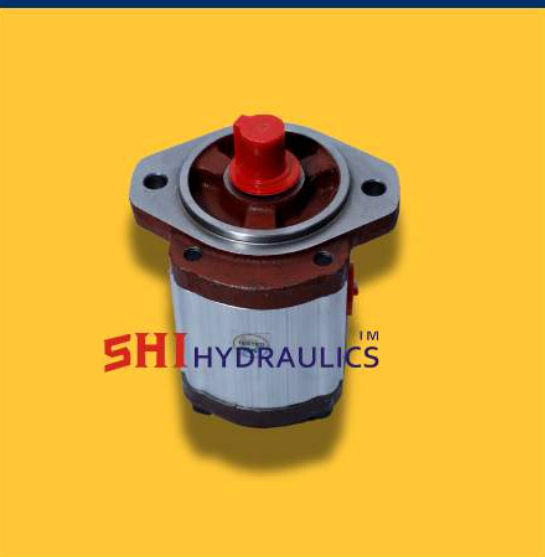
Gear Pumps Gear Pump A gear pump is a type of positive displacement pump widely used for transferring liquids in various industrial applications. Known for its simplicity, reliability, and efficiency, the gear pump is a crucial component in many systems, including chemical processing, lubrication, and hydraulic operations. This document provides an in-depth description of gear pumps, including their working principle, components, types, applications, and advantages. Working Principle The operation of a gear pump is based on the principle of positive displacement. It consists of two meshing gears that rotate to transfer fluid. As the gears turn, liquid is trapped in the spaces between the gear teeth and the pump casing. This fluid is carried from the suction side to the discharge side of the pump, creating a steady and consistent flow. Key Components A typical gear pump comprises the following components: Gears: Two primary gears are used—a driving gear and a driven gear. These gears can be either external (located outside of each other) or internal (one gear inside another). Pump Housing: Encloses the gears and maintains alignment. Designed to withstand high pressures and resist wear and corrosion. Bearings: Support the shafts of the gears to ensure smooth rotation. Often made from materials that minimize friction. Shafts: Connect the driving gear to a motor or engine. Transmit rotational power to the gear mechanism. Seals: Prevent fluid leakage and maintain operational efficiency. Typically made from materials resistant to the pumped fluid. Types of Gear Pumps Gear pumps can be categorized based on their design and arrangement of gears: External Gear Pumps: Feature two external gears meshing together. Commonly used for handling low-to-medium viscosity fluids. Internal Gear Pumps: Consist of an internal gear that meshes with an external gear. Capable of handling high-viscosity fluids, making them ideal for applications like oil or syrup transfer. Lobe Pumps: A variation where the gears are replaced with lobed rotors. Gentle on the fluid, making them suitable for food and pharmaceutical industries. Applications Gear pumps are versatile and find use across numerous industries: Lubrication Systems: Deliver precise amounts of oil or lubricants to machinery and engines. Chemical Processing: Transfer corrosive or viscous liquids such as acids, solvents, and polymers. Hydraulic Systems: Provide consistent flow and pressure in hydraulic circuits. Food and Beverage: Handle thick fluids like chocolate, syrups, and sauces. Oil and Gas: Transfer crude oil, refined fuels, and other hydrocarbons. Medical and Pharmaceutical: Pump sterile liquids or precise doses of medication. Advantages Gear pumps offer several benefits that make them a preferred choice in various operations: Compact Design: Small and lightweight, making them easy to install and maintain. High Efficiency: Provide consistent flow regardless of pressure variations. Durability: Built to handle harsh conditions and abrasive fluids with minimal wear. Versatility: Can manage a wide range of viscosities and temperatures. Self-Priming: Ability to operate without requiring initial fluid in the pump. Precise Flow Control: Deliver accurate and repeatable flow rates, essential in sensitive processes. Limitations Despite their advantages, gear pumps have some drawbacks: Limited Suction Capacity: Not ideal for pumping fluids over long distances or from deep sources. Noise: Can produce higher noise levels compared to other types of pumps. Sensitivity to Contaminants: Require clean fluids to avoid gear damage and maintain efficiency. Fixed Flow Rate: Flow is directly proportional to the pump speed, making them less flexible in some applications. Future Trends The design and application of gear pumps are continuously evolving to meet modern demands: Improved Materials: Use of advanced alloys and coatings to enhance resistance to wear and corrosion. Smart Technology Integration: Incorporating sensors and IoT capabilities for real-time monitoring and predictive maintenance. Energy Efficiency: Developing low-power and energy-efficient designs for sustainable operations. Customization: Tailored designs to meet specific industrial needs and regulatory requirements.

68179d65be22ee500d53ff54 Card 2

product image
manufacturer and tools

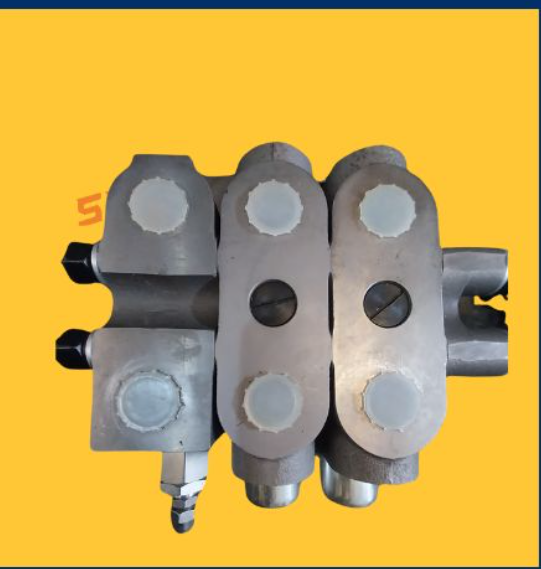
HDD (Horizontal Directional Drilling) valves are specialized components used in drilling operations to control fluid flow, pressure, and drilling mud circulation. These valves play a crucial role in managing the drilling process, ensuring efficient operation and preventing blowouts or fluid loss. Types of HDD Valves: Mud Valves – Control the flow of drilling mud, preventing blockages and ensuring smooth circulation. Check Valves – Prevent backflow of fluids, protecting the drilling equipment from contamination or damage. Gate Valves – Regulate or shut off fluid flow within the drilling system. Relief Valves – Prevent overpressure situations by releasing excess pressure in the system. Ball Valves – Provide quick on/off control of drilling fluids with minimal resistance. Functions of HDD Valves: Control drilling fluid pressure and flow. Prevent drilling mud loss or contamination. Ensure safe and efficient drilling operations. Protect the downhole tools and pipeline from excessive pressure.

68179d65be22ee500d53ff54 Card 2

product image
manufacturer

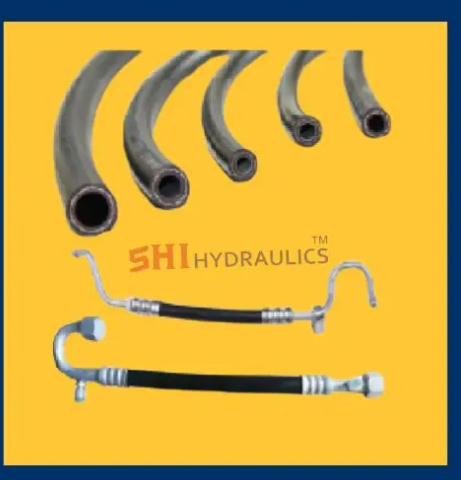
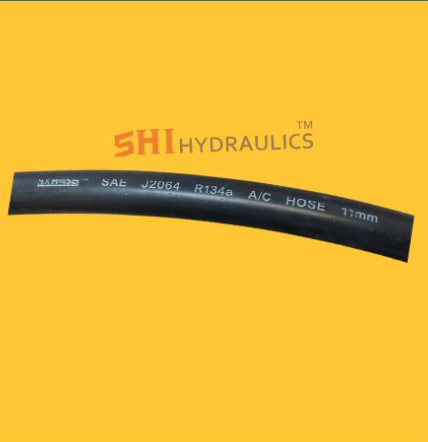
Air Conditioning Hose An air conditioning (AC) hose is an integral part of any vehicle or building’s air conditioning system, responsible for transporting refrigerant and ensuring the system operates effectively. Designed to handle high-pressure and high-temperature conditions, these hoses ensure the seamless circulation of refrigerant between the compressor, condenser, evaporator, and expansion valve. This description delves into the features, types, materials, benefits, applications, and maintenance of air conditioning hoses, highlighting their importance in modern climate control systems. Key Features of Air Conditioning Hoses Durability Constructed to withstand extreme pressures and temperatures, AC hoses are robust and reliable. Flexibility Flexible construction allows these hoses to be routed through tight and complex spaces without compromising performance. Pressure Resistance Designed to handle high refrigerant pressures, ensuring safe and efficient operation. Chemical Compatibility Resistant to refrigerants, oils, and other chemicals commonly used in AC systems. Temperature Resistance Capable of enduring both high and low temperatures, ensuring functionality in diverse climates. Types of Air Conditioning Hoses Barrier Hoses Equipped with an inner layer that prevents refrigerant permeation, ensuring system efficiency and environmental compliance. Non-Barrier Hoses Older hose types without a permeation barrier, now less common due to stricter environmental regulations. Reduced Barrier Hoses Compact and lightweight, these hoses offer the same performance as barrier hoses while saving space and weight. Rubber Hoses Made from durable rubber compounds, often reinforced with braided fibers or steel for added strength. Thermoplastic Hoses Constructed from advanced polymers, providing excellent flexibility and resistance to refrigerants and heat. Metal Braided Hoses Feature a metal braid for enhanced durability in high-pressure applications. Materials Used in Air Conditioning Hoses Synthetic Rubber Provides flexibility, durability, and resistance to refrigerants and oils. Nylon or Polyester Barrier Layers Prevent refrigerant leakage and improve system efficiency. Reinforcement Layers Braided fibers or steel reinforcement enhance strength and pressure resistance. Outer Coverings Protective layers shield the hose from abrasion, UV rays, and environmental wear. Benefits of Air Conditioning Hoses Efficient Refrigerant Flow Ensures the proper circulation of refrigerant for optimal cooling performance. System Longevity Durable construction reduces wear and tear, extending the lifespan of the AC system. Environmentally Friendly Modern hoses minimize refrigerant leakage, reducing environmental impact. Versatility Compatible with a variety of refrigerants, including R-134a and newer eco-friendly options like R-1234yf. Safety Designed to handle high pressures, preventing system failures and ensuring safe operation.

68179d65be22ee500d53ff54 Card 2

product image
manufacturer

Types of AC Hoses: Discharge Hose Carries high-pressure, high-temperature refrigerant from the compressor to the condenser. Must withstand high heat and pressure. Suction Hose Transports low-pressure refrigerant gas from the evaporator back to the compressor. Must be flexible and resistant to vacuum pressure. Liquid Line Hose Moves high-pressure liquid refrigerant from the condenser to the expansion valve or evaporator. Return Line Hose Carries low-pressure refrigerant back to the compressor for recirculation. AC Hose Available in Sonu Hose Pipe D-47, Mayapuri Phase-2, New Delhi Contact-9311288288,9911288288. Email:-sonuhosepipe@gmail.com Web:-www.sonuhose.com

68179d65be22ee500d53ff54 Card 2

product image
manufacturer

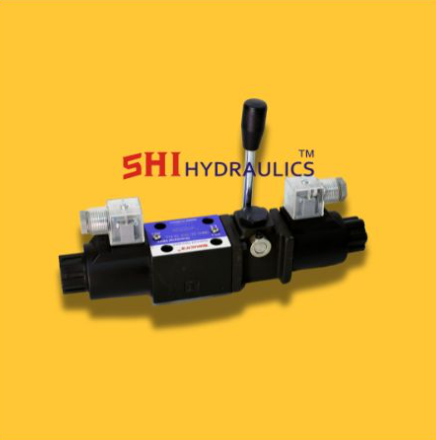
A solenoid valve is an electrically operated device designed to control the flow of water or air through a pipeline. They are operated by an electromagnetic solenoid, which when energized produces a magnetic field that moves a plunger, opens or closes a valve Solenoid valves usually come in two types: normally closed (NC), which remain closed in the absence of electricity , and usually open (NO). , which is still open. These valves can be direct-acting, suitable for low-pressure applications, or pilot-operated, ideal for high-pressure systems. Their applications range from industrial automation to HVAC systems to irrigation systems and medical equipment, making them essential for water efficiency Benefits include fast turnaround times, remote electronic applications, compact design, when parameters such as energy consumption and fluid compatibility must be accounted for optimum performance Overall solenoid valves Important components in various industries, a it ensures reliability and efficiency if water is used. 🔍 Solenoid ValvesSolenoid Valves - Image 2Solenoid Valves - Image 3Solenoid Valves - Image 4Solenoid Valves - Image 5Solenoid Valves - Image 6 Solenoid ValvesSolenoid Valves - Image 2Solenoid Valves - Image 3Solenoid Valves - Image 4Solenoid Valves - Image 5Solenoid Valves - Image 6

68179d65be22ee500d53ff54 Card 2

product image
manufacturer

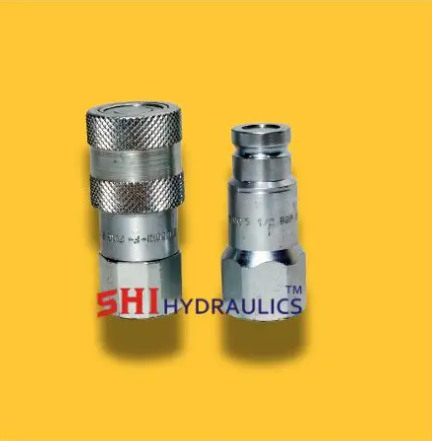
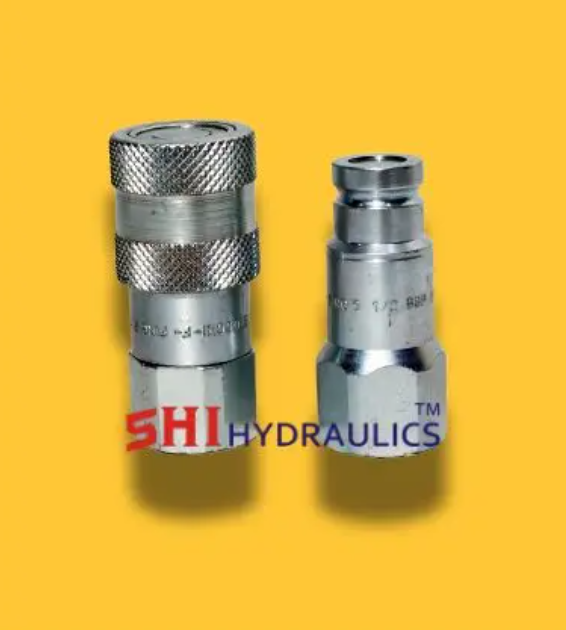
Quick release coupling Quick release coupling A quick release coupling is a versatile connector designed to be quickly and easily disassembled and reassembled in hose, pipe, tubing or in water transfer applications These couplings are commonly used in a variety of industries, including automotive , including construction and agriculture, where water management is important ### Special Features: 1. **FAST OPERATION**: Quick release couplings provide fast connection and disconnection, resulting in less downtime when servicing or replacing equipment. 2. **User-friendly design**: Typically featuring a simple push-pull or latch mechanism, these couplings can be operated with one hand, making them simple and efficient. 3. **Versatility**: Available in a variety of sizes and materials, quick release couplings can handle a variety of fluids including water, oil and air, making them suitable for a wide range of applications. 4. **Leak-Proof Seal**: Many early release couplings use O-rings or sealing devices that ensure a safe, leak-proof connection, maintaining system integrity during operation among. 5. **Durability**: Made of durable materials such as copper, stainless steel, or polymers, these couplings are designed to withstand high stresses and harsh environmental conditions , has ensured its long-term effectiveness. Overall, quick-release couplings provide an efficient solution for fluid handling, facilitating easy operation and easy maintenance in industrial and commercial environments 🔍 Quick Release CouplingQuick Release CouplingQuick release coupling - Image 3Quick Release CouplingQuick release coupling - Image 5Quick release coupling - Image 6Quick release coupling - Image 7 Quick Release CouplingQuick Release CouplingQuick release coupling - Image 3Quick Release CouplingQuick release coupling - Image 5Quick release coupling - Image 6Quick release coupling - Image 7

68179d65be22ee500d53ff54 Card 2

product image
manufacturer

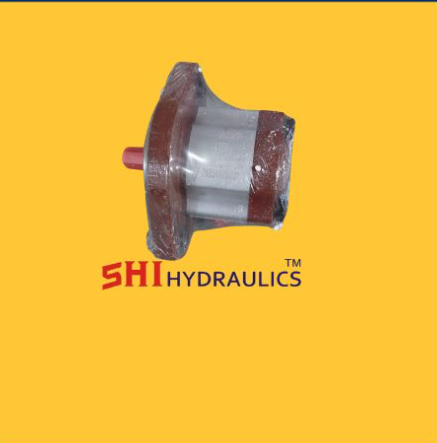
Gear Pump Model no-6006 Model No-6006 LPM-2.50 Hydraulic Gear Pump Model 6006: An Overview The Hydraulic Pump Model 6006 is a specific model of hydraulic pump designed for industrial applications, where high efficiency, reliability, and precision are essential. Hydraulic pumps are commonly used to transfer fluids under pressure, converting mechanical energy into hydraulic energy. Basic Design and Operation The Hydraulic Gear Pump Model 6006 is a type of positive displacement pump that operates by using the meshing of gears to move hydraulic fluid. I The 6006 model operates as follows: Inlet Fluid: Hydraulic fluid enters the pump through an inlet port. The gears rotate, and the fluid is trapped between the teeth. Fluid Movement: As the gears continue rotating, they push the trapped fluid along the sides of the gears, from the inlet side to the discharge side. Discharge Fluid: The fluid exits the pump through an outlet port at high pressure, which is used to power various parts of a hydraulic system.

68179d65be22ee500d53ff54 Card 2

product image
manufacturer

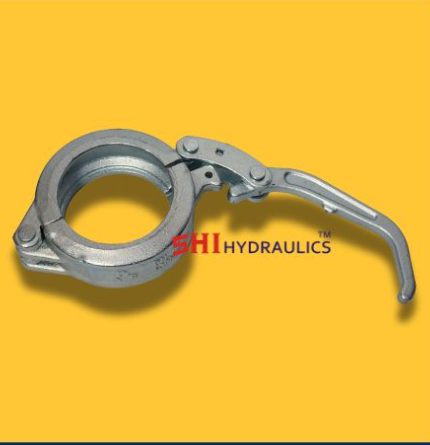
### Concrete Clamps: Specification and Characteristics **Definition**: Concrete clamps are specialized equipment designed to securely hold concrete forms and structures during pouring and curing. They maintain consistency and stability, and prevent changes that could damage the integrity of the concrete. ### Main features 1. **Contents**: . – Made of heavy metal or plastic and other durable materials in order to withstand the weight and pressure of wet concrete. 2. **Considerations**: – Typically have adjustable parts to accommodate different shapes and sizes. – Many models have quick-release devices for easy assembly and removal. 3. **Miscellaneous**: – **Form Clamps**: Secure the edges of concrete forms. – **Bracing Clamps**: Stabilize the vertical form and prevent movement. – **Tie Rod Clamp**: Used with tie rods to connect formwork and hold shape under tension. 4. **Variable magnitude**: . – Available in a range of sizes to meet a variety of building needs from small DIY projects to large commercial projects. 5. **Easy to use**: – Designed for quick installation and modification, usually requiring minimal tools. ### Request – **Construction Services**: Ideal for foundations, walls, frames, and other concrete structures. – **Masonry Work**: Helps align and secure masonry units during construction. – **Precast Construction**: Used in factories to hold the mold in place while the concrete is cured. ### interest – **Stability**: Ensures that the documents stay in place, reducing the risk of concrete expansion or misalignment. – **Time saved**: Simplifies the process, allowing you to finish the job faster. – **Recyclability**: Many clamps can be reused in many applications, making it a cost-effective option.

68179d65be22ee500d53ff54 Card 2

product image
manufacturer

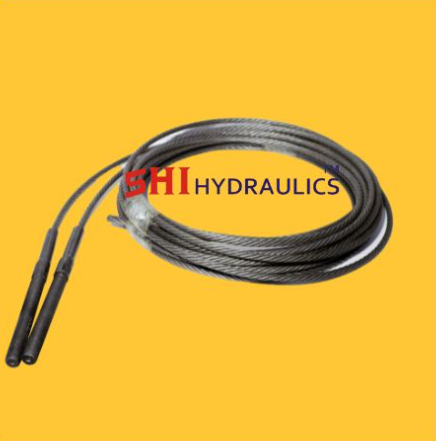
Rope Wire rope is a strong fiber made of many twisted strands of steel wire, it gives exceptional strength, flexibility and durability Widely used in various industries such as construction, mining, shipping and industrial machinery, it is manufactured to handle heavy loads, be suitable for lifting, rigging. It was ideal for applications The wire rope consists of several strands, each of which is made up of individual strands, twisted around the wire or steel core, increasing its strength and stability Regardless of the tensile strength above, wire rope remains flexible, allowing it to bend around pulleys and other components without compromising its integrity or being treated, making them suitable for outdoor marine environments where water and chemical solvents abound Because of its flexibility in thickness, lay type and core material, wire rope is suitable for many specific applications

68179d65be22ee500d53ff54 Card 2

product image
manufacturer

Detailed Overview of Control Valves Control valves are critical components in industrial systems, responsible for regulating the flow, pressure, temperature, or fluid levels within a process. They are an integral part of automation systems, ensuring precision, safety, and efficiency in various industries such as oil and gas, chemical processing, water treatment, power generation, and food production.

68179d65be22ee500d53ff54 Card 2

product image
manufacturer and tools

Hydraulic fittings are crucial components in hydraulic systems, connecting hoses, pipes, and tubes to direct and control the flow of hydraulic fluid under high pressure. Designed to ensure leak-proof connections and reliable performance, these fittings play a vital role in maintaining system efficiency, safety, and durability. Used across industries such as construction, agriculture, aerospace, and manufacturing, hydraulic fittings come in various materials, types, and configurations to suit specific applications.

Phone Number

08045134631

Please keep 0 before dialling the number.

Email Address sonuhosepipe@gmail.com

Mon-Thu: 10 AM - 2 PM • Fri: 3 PM - 7AM

Other Website Visit our other website
Address D , 47 , Mayapuri Industrial Area Phase II

New Delhi, India, 110064