Thank you for writing to us. One of our executive will reach back to you through your submitted medium. In case there’s an urgency, feel free to connect over WhatsApp for faster response.
Prefer calling? Dial +9108045134631 (International callers) or 08045134631 (Indian callers).
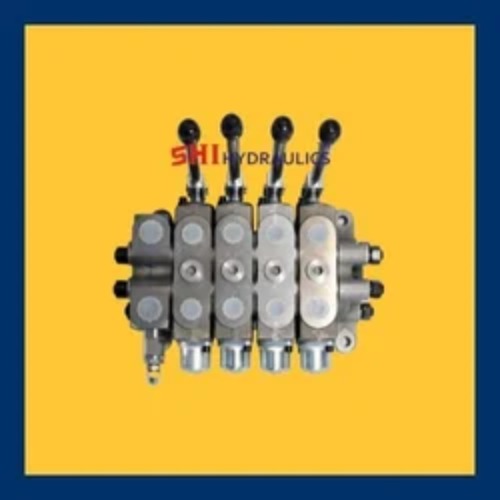
HDD Control Valves Control valves** in HDD rigs manage the direction, flow rate, and pressure of hydraulic fluids powering various components, such as:
Thrust/pullback systems
Drill rotation motors
Clamp/vise actuators
Pipe loader arms
Mud pump drive systems
They can be manual, pilot-operated, or electro-hydraulic depending on system complexity.
�� 2. Types of Valves Used in HDD Systems
Valve Type Function Common Placement
Directional Control Valve (DCV) Directs flow to actuators (e.g. extend/retract cylinders) Main hydraulic circuits
Flow Control Valve Regulates speed of actuators by limiting flow Rotation/thrust speed adjustment
Pressure Relief Valve Protects system from overpressure Inline with all major circuits
Pilot-Operated Check Valve Locks actuators in place under load Clamp and rotation holding systems
Solenoid Valve Electrically controlled valve for automated function Remote or onboard controls
Load-Sensing Valve Adjusts flow based on demand, improving efficiency Advanced HDD rigs
⚙️ 3. Features:
High pressure handling (up to 5000 psi / 350 bar)
Compact modular manifolds for integrated control
Stackable for space-efficient designs
Available in cartridge or monoblock forms
Options for manual levers, electric joystick, or remote radio control
�� 4. Specifications (Typical):
Spec Value
Flow Rate 20–150 L/min
Pressure 210–420 bar (3000–6000 psi)
Ports BSP, NPT, or SAE
Control Manual, electric, or hydraulic pilot
Material Steel or cast iron (plated for corrosion resistance)
�� 5. Brands Used in HDD Machines:
Rexroth (Bosch)
Parker Hannifin
Hydac
Sun Hydraulics
Danfoss / Eaton
Walvoil, Yuken, and Atos
�� 6. Applications in HDD Rigs:
System Valve Role
Thrust/Pullback Directional & flow control for hydraulic cylinders
Rotation Drive Speed & torque control via flow/pressure regulation
Clamp/Vise Check valves to hold position under load
Rod Loader Directional valves for actuator motion
Drill Head Steering Fine pressure and flow adjustments for steering nozzles
�� 7. Maintenance & Troubleshooting:
Regularly inspect for leakage, spool stickiness, or overheating
Ensure filters are clean to avoid contamination wear
Check for correct voltage on solenoid coils
Use diagnostic tools to monitor pilot pressure and feedback
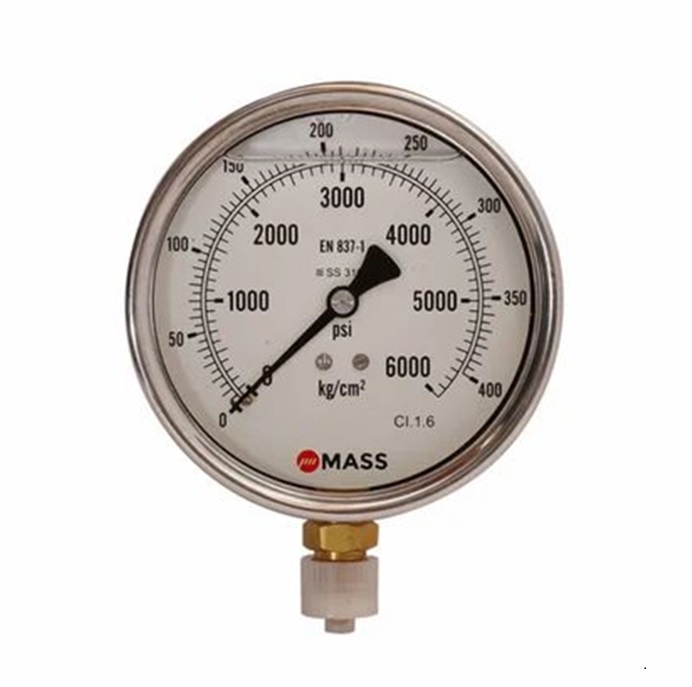
Hydraulic Pressure Gauge
Sonu Hose Pipe offers top-quality Hydraulic Pressure Gauges designed for accurate measurement and monitoring of hydraulic system pressure. These gauges are essential in ensuring that your hydraulic systems operate within safe and efficient pressure ranges. Built with precision and reliability, our hydraulic pressure gauges are ideal for use in a wide range of industries, including construction, manufacturing, agriculture, and automotive.
Dial Size 6 inch / 150 mm
Connection Type NPT
Connection Size 1/4 inch
Use Liquid
Display Type Digital
Pressure Type Gauge Pressure
Dial Type Liquid Filled
Liquid Filling Glycerine
Material of Casing Brass
Usage/Application Industrial
Type Hydraulic
Brands: Mass
Pressure gauges are an essential instrument used by industry to measure the pressure in a system as a quality check measure and to ensure the consistency of products. For reasons of safety, pressure gauges monitor fluids, gases, and steam for leaks or a build up of pressure in a system.
Key Features:
Accurate Pressure Measurement: Our hydraulic pressure gauges provide precise readings, enabling you to monitor and maintain the optimal performance of your hydraulic system and prevent overpressure conditions.
Durable Construction: Built with high-quality stainless steel, brass, or other robust materials, Sonu’s pressure gauges are designed to withstand harsh environments, high pressures, and temperature variations.
Wide Pressure Range: Available in a wide range of pressure ratings, from low to high-pressure applications, these gauges ensure you can measure pressure accurately across various hydraulic systems.
Shock-Resistant Design: Our pressure gauges are designed to resist mechanical shock and vibration, offering greater durability and longevity, even in rugged applications.
Versatile Mounting Options: These gauges come with multiple mounting options, including surface, panel, and bottom connections, offering flexibility to fit a variety of hydraulic systems and applications.
Types of Hydraulic Pressure Gauges:
Bourdon Tube Pressure Gauges: The most commonly used type, Bourdon tube gauges offer accurate readings and are ideal for a wide variety of hydraulic applications.
Diaphragm Pressure Gauges: Suitable for applications where pressure measurements need to be made in harsh environments, diaphragm gauges are resistant to pulsation and vibration.
Digital Pressure Gauges: These electronic gauges provide highly accurate, easy-to-read digital displays, offering enhanced precision and are ideal for modern hydraulic systems.
Manometer Pressure Gauges: Compact and reliable, these gauges are perfect for measuring pressure in low- to medium-pressure hydraulic systems.
Liquid-Filled Pressure Gauges: Filled with a special glycerin or silicone fluid, these gauges provide better shock resistance and are perfect for high-vibration environments, ensuring steady and accurate readings.
Applications:
Hydraulic Systems: Ensure the safe and efficient operation of hydraulic systems in industrial machinery, construction equipment, and manufacturing processes.
Pumps & Compressors: Monitor pressure in pumps and compressors to ensure optimal performance and prevent damage caused by over pressurization.
Agricultural Machinery: Used in tractors, harvesters, and irrigation systems to monitor hydraulic pressures and maintain system efficiency.
Automotive Systems: In hydraulic brake systems, steering mechanisms, and suspension systems, pressure gauges are essential for monitoring fluid pressures and ensuring safe operation.
Manufacturing Equipment: Control and maintain pressure in presses, injection molding machines, and other automated manufacturing equipment.
Oil & Gas Industry: Pressure gauges play a crucial role in oil extraction and transportation systems, helping to monitor fluid pressure in drilling, pumping, and pipeline systems.
Why Choose Sonu Hose Pipe Hydraulic Pressure Gauges?
Precision and Reliability: Sonu’s hydraulic pressure gauges are engineered for high accuracy, providing you with dependable readings that ensure the safe and efficient operation of your hydraulic system.
Durable and Long-Lasting: Constructed with corrosion-resistant materials and designed for heavy-duty applications, our pressure gauges offer long-term performance and minimal maintenance.
Wide Selection: We offer a variety of pressure gauges suitable for different pressure ranges, mounting types, and system requirements, ensuring a perfect fit for your needs.
Cost-Effective: Sonu Hose Pipe provides high-quality, reliable pressure gauges at competitive prices, delivering excellent value for your investment.
Customer Support: Our expert team is always available to help with product selection, installation guidance, and troubleshooting, ensuring you get the best performance from your pressure gauges.
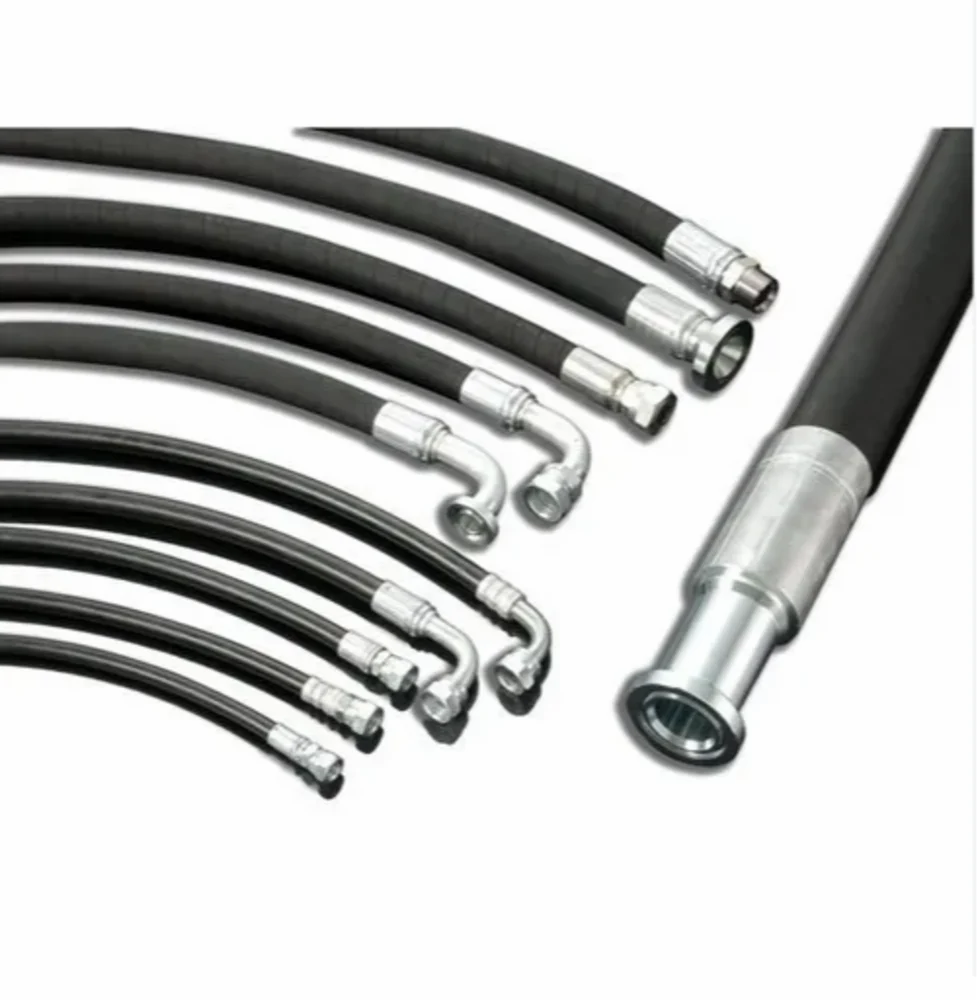
High-Pressure Hydraulic Hoses at Sonu Hose Pipe
Sonu Hose Pipe offers a comprehensive range of High-Pressure Hydraulic Hoses, specifically engineered to meet the demands of high-pressure fluid transfer applications in various industries. These hoses are built to withstand extreme pressures and ensure the safe and efficient transport of hydraulic fluids in heavy-duty machinery and systems. Crafted with advanced materials and reinforced with durable layers, Sonu’s high-pressure hydraulic hoses offer unmatched reliability, performance, and safety.
Size/Diameter 2 inch
Pressure 30 Bar
Type Hydraulic Hoses
Usage/Application Industrial
Color Black
Material Rubber
High-pressure hydraulic hoses are designed to withstand significant pressure and transmit hydraulic fluid effectively in demanding environments. They are crucial components in hydraulic systems used in industries like construction, manufacturing, and automotive.
Key Features:
High-Pressure Performance: Sonu high-pressure hydraulic hoses are designed to handle high-pressure environments, providing reliable and safe fluid transfer in hydraulic systems operating under extreme pressure conditions.
Durable Construction: Made from high-quality materials such as synthetic rubber, steel wire, and braided steel, these hoses are built to resist wear, abrasion, and pressure, ensuring long-term reliability and performance in demanding environments.
Superior Burst Resistance: With reinforced layers, our hoses offer excellent burst resistance, making them suitable for applications that require maximum safety and stability under high-pressure conditions.
Abrasion and Weather Resistance: The hoses are resistant to external wear, UV rays, and weathering, ensuring they perform optimally even in harsh outdoor environments or under constant friction and movement.
Leak-Free and Secure: Designed with high-quality fittings and couplings, Sonu high-pressure hydraulic hoses offer a secure, leak-free connection that prevents fluid loss, ensuring smooth and safe operation.
Wide Temperature Range: These hoses are designed to operate effectively in both high and low temperatures, providing flexibility in various applications where temperature fluctuations are common.
Compatibility with Multiple Fluids: Sonu’s hydraulic hoses are compatible with a wide range of hydraulic fluids, including oil, water, and other chemicals, providing versatility across various industries.
Types of High-Pressure Hydraulic Hoses:
Spiral Hydraulic Hoses: Designed for ultra-high-pressure systems, these hoses are reinforced with spiral layers of steel wire, offering exceptional burst strength and durability for extreme conditions.
Wire-Reinforced Hydraulic Hoses: These hoses are designed for heavy-duty applications and are reinforced with a steel wire to handle high-pressure and high-flow hydraulic systems, offering excellent resistance to abrasion and pressure.
Thermoplastic Hydraulic Hoses: Made from thermoplastic materials, these hoses offer enhanced flexibility and are resistant to heat, making them suitable for applications that involve high temperatures and pressure.
Heat-Resistant Hydraulic Hoses: Designed to withstand higher temperatures, these hoses are ideal for environments where extreme heat is present, such as in heavy machinery, industrial plants, or automotive systems.
Chemical-Resistant Hydraulic Hoses: These hoses are designed to handle hydraulic fluids and chemicals, offering resistance to corrosion, making them ideal for use in the chemical, pharmaceutical, and food processing industries.
Applications:
Construction Equipment: High-pressure hydraulic hoses are essential in construction machinery such as excavators, bulldozers, and cranes, where they manage the hydraulic fluid that powers the equipment’s operations.
Industrial Machinery: These hoses are used in industrial machinery, including presses, lifts, and molding machines, to facilitate the transfer of hydraulic fluid, enabling smooth and efficient operation.
Agricultural Machinery: In farming equipment like tractors, harvesters, and irrigation systems, high-pressure hydraulic hoses ensure that hydraulic systems function efficiently, enhancing the machinery’s performance.
Automotive and Transport: Used in various automotive systems such as power steering, braking, and suspension systems, these hoses ensure reliable fluid flow for optimal vehicle performance and safety.
Oil and Gas Industry: High-pressure hydraulic hoses are crucial in drilling operations, offshore platforms, and oil refineries, where they transfer fluids under high pressure in critical applications.
Aerospace and Aviation: These hoses are used in aircraft hydraulic systems, ensuring reliable performance in controlling flight surfaces, landing gear, and other critical components under high-pressure conditions.
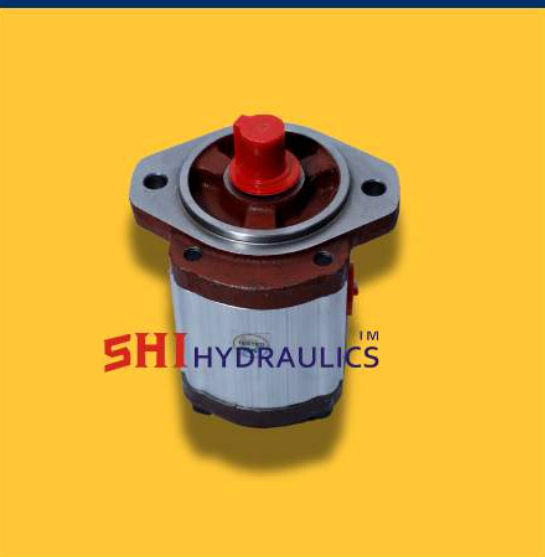
Gear Pump for HDD Machines
Gear pumps are essential components in hydraulic systems, especially in heavy-duty applications like Horizontal Directional Drilling (HDD) machines. Their robust design, reliability, and consistent performance make them ideal for powering hydraulic functions critical to HDD operations. From driving the hydraulic cylinders to providing the pressure needed for drilling and reaming, gear pumps play a pivotal role in ensuring smooth and efficient performance
Gear Pumps for HDD Machines
High Efficiency
Designed to deliver consistent flow and pressure with minimal energy loss.
Compact and Lightweight
Easy to integrate into the compact layouts of HDD machines.
Robust Construction
Made from durable materials like cast iron or aluminum to withstand extreme conditions.
Wide Pressure Range
Capable of handling high pressures required for demanding HDD tasks.
Ease of Maintenance
Simple design ensures easy disassembly and servicing.
Versatile Fluid Compatibility
Suitable for various hydraulic fluids, including biodegradable options.
Low Noise Operation
Engineered for quiet performance, improving operator comfort.
Applications of Gear Pumps in HDD Machines
Drilling Operations
Provides the hydraulic pressure required to operate the drill head and other tools.
Mud Pumping
Drives hydraulic systems that pump drilling fluids to cool the drill bit and remove debris.
Pipe Handling Systems
Powers hydraulic arms and clamps used for handling and aligning pipes.
Reaming and Pullback
Supplies consistent pressure for reaming and pulling pipes back through drilled holes.
Directional Control
Supports hydraulic systems responsible for steering and directional adjustments of the drill head.
Advantages of Using Gear Pumps for HDD Machines
Durability
Built to withstand harsh environments, including mud, water, and extreme temperatures.
Reliability
Provides consistent performance with minimal risk of failure.
Cost-Effectiveness
Offers a good balance of performance, durability, and affordability.
Compact Design
Space-saving construction allows for integration into tight machine layouts.
Energy Efficiency
Delivers high performance with reduced power consumption.
Smooth Operation
Ensures a steady and uninterrupted hydraulic flow.
Material and Construction
Housing
Typically made from cast iron, steel, or aluminum for strength and corrosion resistance.
Gears
Precision-engineered gears made of hardened steel for durability and wear resistance.
Seals and Bearings
High-quality seals prevent fluid leakage, while robust bearings ensure smooth gear rotation.
Mounting Configurations
Available in various mounting options to suit different HDD machine designs.
Selecting the Right Gear Pump for HDD Machines
Flow Rate
Choose a pump with the appropriate flow rate to match your system’s requirements.
Pressure Rating
Ensure the pump can handle the operating pressure of your HDD machine.
Size and Weight
Select a compact and lightweight model for ease of integration.
Material Compatibility
Ensure the pump materials are compatible with the hydraulic fluid used in your system.
Environmental Conditions
Opt for a pump designed to operate reliably in the specific conditions of your HDD project.
Maintenance Tips for Gear Pumps in HDD Machines
Regular Inspection
Check for wear, leaks, and unusual noises to identify potential issues early.
Fluid Quality
Use clean, compatible hydraulic fluids to prevent contamination and damage.
Seal Replacement
Periodically replace seals to maintain performance and prevent leaks.
Monitor Operating Conditions
Avoid overloading the pump beyond its rated pressure and flow limits.
Scheduled Servicing
Follow the manufacturer’s maintenance schedule for optimal performance and longevity.
Innovations in Gear Pumps for HDD Machines
High-Efficiency Models
New designs reduce energy consumption while maintaining high performance.
Advanced Materials
Use of composite materials for improved wear resistance and reduced weight.
Integrated Monitoring Systems
Sensors for real-time monitoring of pressure, temperature, and flow.
Eco-Friendly Designs
Compatibility with biodegradable hydraulic fluids to minimize environmental impact.
Why Choose Gear Pumps for HDD Machines?
Proven Performance
Trusted by HDD professionals worldwide for their reliability and efficiency.
Adaptability
Wide range of models to suit various HDD machine requirements.
Ease of Maintenance
Simple design reduces downtime and maintenance costs.
Global Availability
Widely available with comprehensive support from manufacturers and distributors.
Gear Pumps
Gear Pump
A gear pump is a type of positive displacement pump widely used for transferring liquids in various industrial applications. Known for its simplicity, reliability, and efficiency, the gear pump is a crucial component in many systems, including chemical processing, lubrication, and hydraulic operations. This document provides an in-depth description of gear pumps, including their working principle, components, types, applications, and advantages.
Working Principle
The operation of a gear pump is based on the principle of positive displacement. It consists of two meshing gears that rotate to transfer fluid. As the gears turn, liquid is trapped in the spaces between the gear teeth and the pump casing. This fluid is carried from the suction side to the discharge side of the pump, creating a steady and consistent flow.
Key Components
A typical gear pump comprises the following components:
Gears:
Two primary gears are used—a driving gear and a driven gear.
These gears can be either external (located outside of each other) or internal (one gear inside another).
Pump Housing:
Encloses the gears and maintains alignment.
Designed to withstand high pressures and resist wear and corrosion.
Bearings:
Support the shafts of the gears to ensure smooth rotation.
Often made from materials that minimize friction.
Shafts:
Connect the driving gear to a motor or engine.
Transmit rotational power to the gear mechanism.
Seals:
Prevent fluid leakage and maintain operational efficiency.
Typically made from materials resistant to the pumped fluid.
Types of Gear Pumps
Gear pumps can be categorized based on their design and arrangement of gears:
External Gear Pumps:
Feature two external gears meshing together.
Commonly used for handling low-to-medium viscosity fluids.
Internal Gear Pumps:
Consist of an internal gear that meshes with an external gear.
Capable of handling high-viscosity fluids, making them ideal for applications like oil or syrup transfer.
Lobe Pumps:
A variation where the gears are replaced with lobed rotors.
Gentle on the fluid, making them suitable for food and pharmaceutical industries.
Applications
Gear pumps are versatile and find use across numerous industries:
Lubrication Systems:
Deliver precise amounts of oil or lubricants to machinery and engines.
Chemical Processing:
Transfer corrosive or viscous liquids such as acids, solvents, and polymers.
Hydraulic Systems:
Provide consistent flow and pressure in hydraulic circuits.
Food and Beverage:
Handle thick fluids like chocolate, syrups, and sauces.
Oil and Gas:
Transfer crude oil, refined fuels, and other hydrocarbons.
Medical and Pharmaceutical:
Pump sterile liquids or precise doses of medication.
Advantages
Gear pumps offer several benefits that make them a preferred choice in various operations:
Compact Design:
Small and lightweight, making them easy to install and maintain.
High Efficiency:
Provide consistent flow regardless of pressure variations.
Durability:
Built to handle harsh conditions and abrasive fluids with minimal wear.
Versatility:
Can manage a wide range of viscosities and temperatures.
Self-Priming:
Ability to operate without requiring initial fluid in the pump.
Precise Flow Control:
Deliver accurate and repeatable flow rates, essential in sensitive processes.
Limitations
Despite their advantages, gear pumps have some drawbacks:
Limited Suction Capacity:
Not ideal for pumping fluids over long distances or from deep sources.
Noise:
Can produce higher noise levels compared to other types of pumps.
Sensitivity to Contaminants:
Require clean fluids to avoid gear damage and maintain efficiency.
Fixed Flow Rate:
Flow is directly proportional to the pump speed, making them less flexible in some applications.
Future Trends
The design and application of gear pumps are continuously evolving to meet modern demands:
Improved Materials:
Use of advanced alloys and coatings to enhance resistance to wear and corrosion.
Smart Technology Integration:
Incorporating sensors and IoT capabilities for real-time monitoring and predictive maintenance.
Energy Efficiency:
Developing low-power and energy-efficient designs for sustainable operations.
Customization:
Tailored designs to meet specific industrial needs and regulatory requirements.
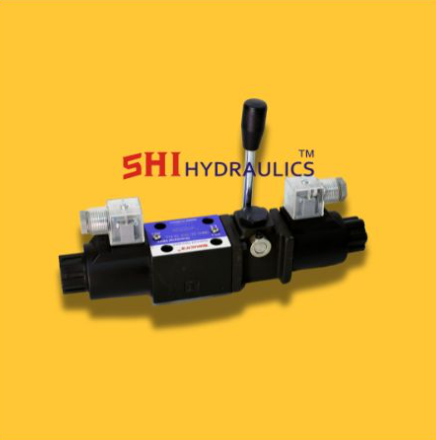
A solenoid valve is an electrically operated device designed to control the flow of water or air through a pipeline. They are operated by an electromagnetic solenoid, which when energized produces a magnetic field that moves a plunger, opens or closes a valve Solenoid valves usually come in two types: normally closed (NC), which remain closed in the absence of electricity , and usually open (NO). , which is still open. These valves can be direct-acting, suitable for low-pressure applications, or pilot-operated, ideal for high-pressure systems. Their applications range from industrial automation to HVAC systems to irrigation systems and medical equipment, making them essential for water efficiency Benefits include fast turnaround times, remote electronic applications, compact design, when parameters such as energy consumption and fluid compatibility must be accounted for optimum performance Overall solenoid valves Important components in various industries, a it ensures reliability and efficiency if water is used.
🔍
Solenoid ValvesSolenoid Valves - Image 2Solenoid Valves - Image 3Solenoid Valves - Image 4Solenoid Valves - Image 5Solenoid Valves - Image 6
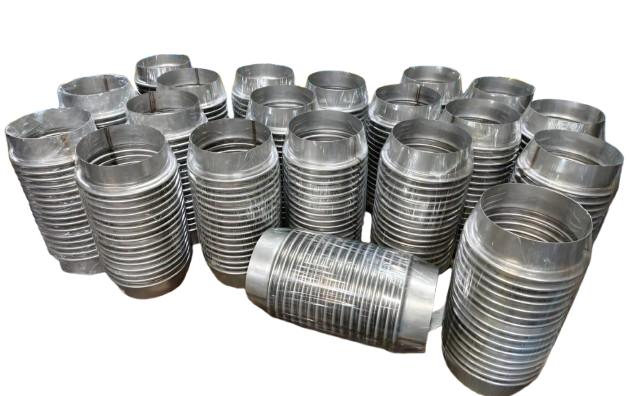
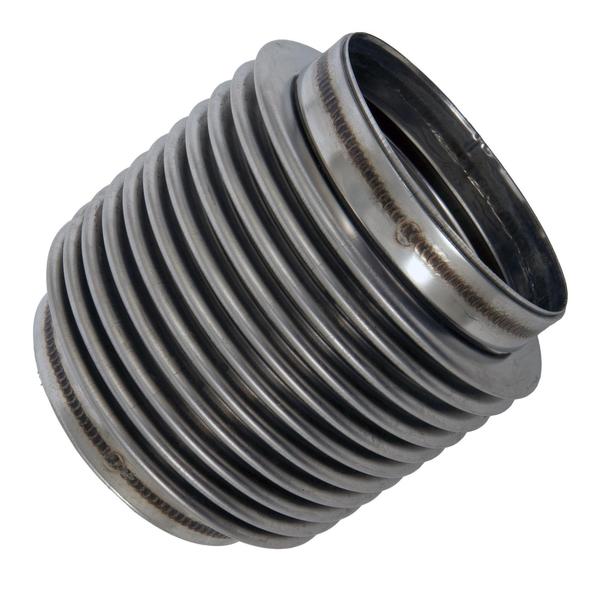
Stainless Steel Bellows — Product Description
Product Name: Stainless Steel Bellows / Flexible Expansion Joint
Material:
High-grade Stainless Steel (SS304 / SS316)
Excellent corrosion resistance, high temperature performance
Design & Construction:
Precision-formed corrugated bellows for maximum flexibility
Seamlessly welded ends for structural integrity
Can be single- or multi-plied depending on application
Optional end fittings/flanges for easy installation
Function:
Stainless Steel Bellows are designed to:
✔ Absorb thermal expansion and contraction
✔ Compensate for misalignment and vibration
✔ Reduce stress in piping systems
✔ Enhance durability under pulsation and pressure variations
Applications:
Automotive EGR systems, exhaust piping
HVAC systems & ducting
Industrial piping & pressure lines
Turbocharger connections
Chemical, petrochemical, power plants
Key Benefits:
✨ High flexibility under thermal cycling
✨ Corrosion & oxidation resistance
✨ Long service life
✨ Handles high temperature & pressure environments
✨ Reduces noise and mechanical stress
Specifications (Typical):
Material Grade: SS304 / SS316
Thickness: 0.5–1.5 mm (varies with design)
Diameter: Custom sizes available
Temperature Range: –50°C to 800°C+
Pressure Range: Up to 20 bar+ depending on series
Installation:
Fit between mating flanges with gaskets
Torque evenly to ensure leak-free sealing
Avoid twisting during assembly
📝 Why Choose Stainless Steel Bellows?
Stainless Steel Bellows combine robust construction with exceptional flexibility — making them ideal for systems where thermal movement, vibration, and mechanical stress are continuous challenges. Their durability extends equipment life and minimizes maintenance downtime.
xhaust Bellows at Sonu Hose Pipe – Flexible Solutions for High-Temperature Exhaust Systems
At Sonu Hose Pipe, we specialize in supplying high-quality Exhaust Bellows engineered to absorb thermal expansion, vibration, and misalignment in exhaust and ducting systems. Designed for demanding industrial and automotive environments, our exhaust bellows ensure reliable performance, extended system life, and enhanced safety under extreme operating conditions.
With a strong commitment to quality, precision manufacturing, and customer satisfaction, Sonu Hose Pipe provides exhaust bellows that meet the requirements of modern engines, power plants, generators, and industrial exhaust applications.
What Are Exhaust Bellows?
Exhaust bellows are flexible expansion joints installed in exhaust systems to compensate for movement caused by heat expansion, vibration, and mechanical stress. As exhaust gases flow at high temperatures, system components expand and contract. Exhaust bellows protect rigid pipes and connected equipment by absorbing this movement, preventing cracks, leaks, and premature failure.
They play a vital role in maintaining exhaust system integrity and reducing noise and vibration.
Types of Exhaust Bellows Available at Sonu Hose Pipe
We offer a wide range of exhaust bellows to suit various industrial and commercial applications:
Metallic Exhaust Bellows
Made from high-grade stainless steel
Resistant to extreme temperatures and corrosion
Ideal for heavy-duty and high-pressure applications
Non-Metallic Exhaust Bellows
Constructed using reinforced fabric or composite materials
Suitable for lower pressure and temperature ranges
Excellent vibration and noise absorption
Single & Multi-Ply Bellows
Single-ply for standard applications
Multi-ply for enhanced strength and fatigue resistance
Customized Exhaust Bellows
Tailor-made designs based on size, temperature, and pressure requirements
Flanged or welded end connections available
Key Features of Exhaust Bellows from Sonu Hose Pipe
High Temperature Resistance – Designed to withstand extreme exhaust heat
Vibration Absorption – Protects engines and pipelines from mechanical stress
Thermal Expansion Compensation – Prevents damage due to temperature variations
Leak-Proof Construction – Ensures safe exhaust gas flow
Corrosion Resistance – Suitable for harsh operating environments
Long Service Life – Built for durability and consistent performance
Applications of Exhaust Bellows
Exhaust bellows supplied by Sonu Hose Pipe are widely used in:
Diesel generator exhaust systems
Automotive and commercial vehicle exhausts
Power plants and turbines
Marine engines
Industrial boilers and furnaces
Compressors and blowers
HVAC and ducting systems
Their flexibility and strength make them essential components in systems exposed to continuous thermal cycling.
Quality Assurance at Sonu Hose Pipe
Quality is at the core of everything we do at Sonu Hose Pipe. Our exhaust bellows undergo rigorous inspection and testing to ensure:
Dimensional accuracy
Temperature and pressure endurance
Proper flexibility and movement absorption
Secure welding and joint integrity
Compliance with industry standards
This ensures our customers receive products that perform reliably even under severe operating conditions.
Advantages of Choosing Sonu Hose Pipe
Wide Range of Exhaust Bellows – Standard and customized solutions
Technical Support – Expert guidance for proper selection and installation
Consistent Quality – Trusted performance across applications
Competitive Pricing – High value with cost-effective solutions
Customer-Focused Service – Long-term support and reliability
Installation & Maintenance Benefits
Exhaust bellows from Sonu Hose Pipe are designed for easy installation and minimal maintenance. When installed correctly, they:
Reduce stress on exhaust pipelines
Minimize noise and vibration
Prevent system damage
Improve overall efficiency
Routine inspections help ensure optimal performance and extended service life.
Why Exhaust Bellows Are Essential in Exhaust Systems
Without proper expansion joints, exhaust systems are prone to cracking, leakage, and costly repairs. Exhaust bellows play a crucial role by:
Protecting connected equipment
Enhancing system reliability
Improving safety and operational stability
Sonu Hose Pipe ensures these benefits through robust design and dependable materials.
Contact Sonu Hose Pipe for Exhaust Bellows Solutions
If you are looking for durable, high-performance Exhaust Bellows, Sonu Hose Pipe is your trusted source. Our team is ready to provide reliable products and expert support tailored to your specific exhaust system requirements.
Sonu Hose Pipe – Delivering Flexible, Heat-Resistant Solutions for Modern Exhaust Systems.
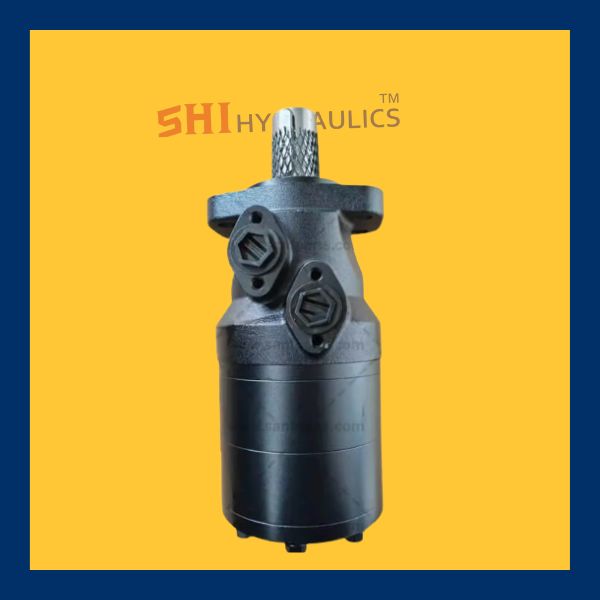
Putzmeister Agitator Hydraulic Motor – OMH-500
Model No: OMH-500
Application: Concrete Pump Agitator Drive
OEM Part No: 238130001 (commonly associated)
Overview:
The OMH-500 hydraulic motor is a robust and high-torque motor engineered for use in Putzmeister concrete pumps, specifically as the agitator motor responsible for driving the mixing paddle within the hopper. Its primary function is to keep the concrete in constant motion, preventing segregation and ensuring a consistent, pumpable mixture.
Key Features:
�� High-Torque Performance:
Designed with a displacement of approximately 500 cc/rev, the OMH-500 delivers high torque at low speeds—ideal for heavy-duty mixing tasks within the concrete hopper.
�� Smooth Agitation Control:
Supports smooth and continuous rotation of the agitator paddles to maintain a homogenous concrete mix, even with coarse aggregates or varying slump levels.
��️ Heavy-Duty Construction:
Built with reinforced cast iron housing and precision-machined internal components for maximum durability under rugged construction site conditions.
�� Mounting & Fitment:
Standard 4-bolt SAE mounting flange and 35mm splined shaft, ensuring a direct replacement fit for OEM Putzmeister setups.
�� Hydraulic Efficiency:
Designed for low leakage and high volumetric efficiency, contributing to better fuel economy and longer hydraulic component life.
Technical Specifications (Typical):
Parameter Specification
Displacement ~500 cc/rev
Max Continuous Speed 155 RPM
Max Intermittent Speed 200 RPM
Max Torque Output Up to 1,200 Nm
Shaft Type Splined (35mm standard)
Mounting Flange 4-bolt SAE
Port Size G1/2' (BSP or SAE, varies)
Operating Pressure Up to 210–250 bar (approx.)
Fluid Type Hydraulic oil (ISO VG 46/68)
Weight Approx. 20–25 kg
Applications:
✅ Putzmeister Concrete Pumps – Agitator Motor (e.g., BSF, TK, P 718 models)
✅ Suitable for retrofitting or replacing damaged motors in hopper mixer drives
✅ Used in OEM and aftermarket repair of ready-mix and shotcrete pump systems
Benefits:
Prevents Concrete Hardening in Hopper
Continuous mixing action prevents concrete from settling or solidifying during pauses in pumping.
Reduces Maintenance Downtime
Durable design reduces the need for frequent servicing or premature replacement.
Improves Pump Efficiency
Ensures consistent flow of well-mixed concrete, protecting the main pumping cylinders.